

A Sanctuary of Neapolitan History: Exploring the Diocesan Museum of Naples
Nestled within the heart of Naples, a city steeped in artistic legacy and layered with centuries of tumultuous history, lies the Diocesan Museum – Museo Diocesano di Napoli. More than simply a repository of religious artifacts, it stands as a poignant testament to the enduring spirit of Neapolitan art, a vibrant reflection of the region’s complex past, and a surprisingly intimate window into the lives of its people. While currently undergoing a significant phase of renovation aimed at enhancing accessibility and showcasing its treasures with renewed clarity, the museum retains an undeniable allure, offering visitors a profound connection to Naples' artistic soul.
The museum’s origins are inextricably linked to the history of the Archdiocese of Naples. Initially conceived as a modest chapel in the 13th century, dedicated to Saint Placida, it served as a small oratory for the nuns of the Benedictine order who resided within the monastery of Santa Maria alle Fonti. Over time, this humble space gradually accumulated a collection of sacred objects – reliquaries, liturgical vestments, and early Christian art – accumulating through donations and acquisitions. It wasn’t until 1763 that it was formally established as a museum, driven by the desire to preserve and display these increasingly valuable holdings. The location itself, adjacent to the ancient Roman theatre and within walking distance of Pompeii and Herculaneum, immediately imbued the space with an atmosphere of layered history, a constant reminder of Naples’ position at the crossroads of civilizations.
A Treasure Trove of Artistic Styles- Early Medieval Art: The museum's collection boasts a remarkable concentration of early medieval art from Southern Italy. Fragments of mosaics, originally adorning churches throughout the region, are particularly noteworthy, offering glimpses into the opulent decoration that characterized these sacred spaces. These pieces, often depicting Christ Pantocrator and scenes from the Gospels, demonstrate the influence of Byzantine artistic traditions on the local aesthetic.
- Renaissance Masterpieces: As Naples transitioned into the Renaissance, the museum’s holdings evolved dramatically. The collection includes significant works by Giambattista Tiepolo, whose frescoes – though sadly fragmented today – once adorned the Cappella Palatina in the Royal Palace and now provide a crucial link to the artistic patronage of the Bourbon court. Also present are paintings by Luca Giordano, renowned for his dramatic use of color and theatrical compositions, reflecting the vibrant Baroque style prevalent at the time.
- Baroque Splendor: The Baroque period witnessed an explosion of artistic creativity in Naples, and the museum’s collection vividly captures this effervescence. Sculptures by Mattia Preti, a Maltese artist who spent much of his career in Naples, are particularly striking – their dramatic poses and emotional intensity exemplify the Baroque penchant for conveying intense religious experience. Furthermore, numerous paintings by local Neapolitan artists showcase the distinctive qualities of the Neapolitan Baroque style: rich colors, dynamic movement, and an emphasis on theatricality.
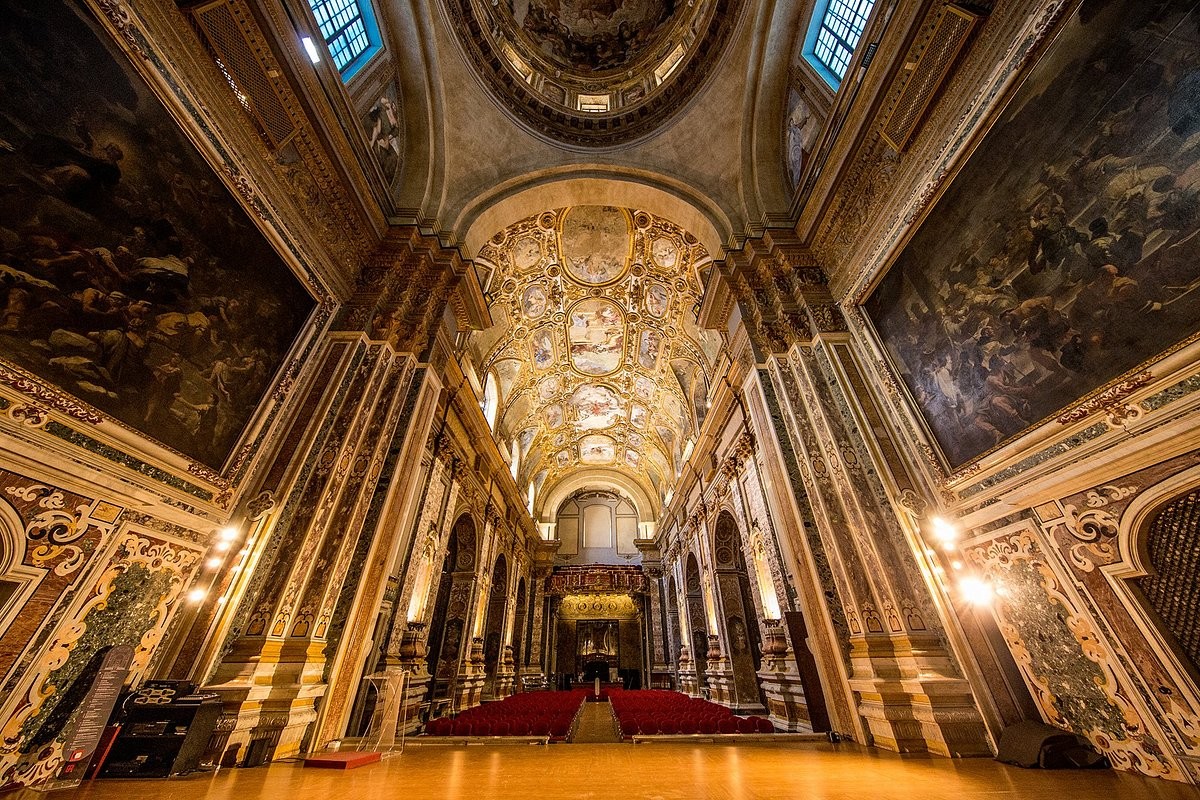
Beyond its individual artworks, the museum’s architecture itself contributes significantly to the visitor experience. The building, largely constructed in the 18th century, is a harmonious blend of Neoclassical and Baroque styles. Its interior spaces are characterized by soaring ceilings, elegant stucco work, and carefully designed lighting – all intended to create an atmosphere conducive to contemplation and artistic appreciation. The museum’s layout reflects its evolution over centuries, with rooms dedicated to specific periods and artistic movements, offering a chronological journey through Neapolitan art history.
Notable Exhibitions and Ongoing TransformationsThroughout its history, the Diocesan Museum has hosted numerous significant exhibitions, often focusing on particular artists or themes. In recent years, exhibitions dedicated to the works of Caravaggio and the influence of Roman art have drawn considerable attention. Currently, the museum is undergoing a comprehensive renovation project, spearheaded by renowned architect Massimiliano Fuksas. This ambitious undertaking aims not only to modernize the building’s infrastructure but also to create more accessible spaces for visitors and to enhance the presentation of its collection. The goal is to transform the museum into a truly 21st-century institution, while preserving its historical character and honoring its rich artistic heritage.
A Unique Perspective on Neapolitan IdentityThe Diocesan Museum offers more than just a visual feast; it provides a profound insight into the cultural identity of Naples. The artworks within its walls – from humble devotional objects to grand religious paintings – reflect the city’s complex relationship with faith, art, and power. It is a place where one can trace the threads of artistic influence across centuries, witnessing how Neapolitan artists absorbed and transformed traditions from Byzantium, Rome, and beyond. As the renovation nears completion, the Diocesan Museum promises to emerge as an even more compelling destination for those seeking to understand the enduring beauty and profound history of Naples.
For information on current exhibitions and visiting hours, please refer to the museum’s website: https://en.wikipedia.org/wiki/Diocesan_Museum_(Naples)