
Turinio sąrašas
Svarbi informacija
- Featured artists: Giovanni Pisano
- Location: Pistoia, Italy
- Alternate names:
- SantAndrea
- Saint Andrew
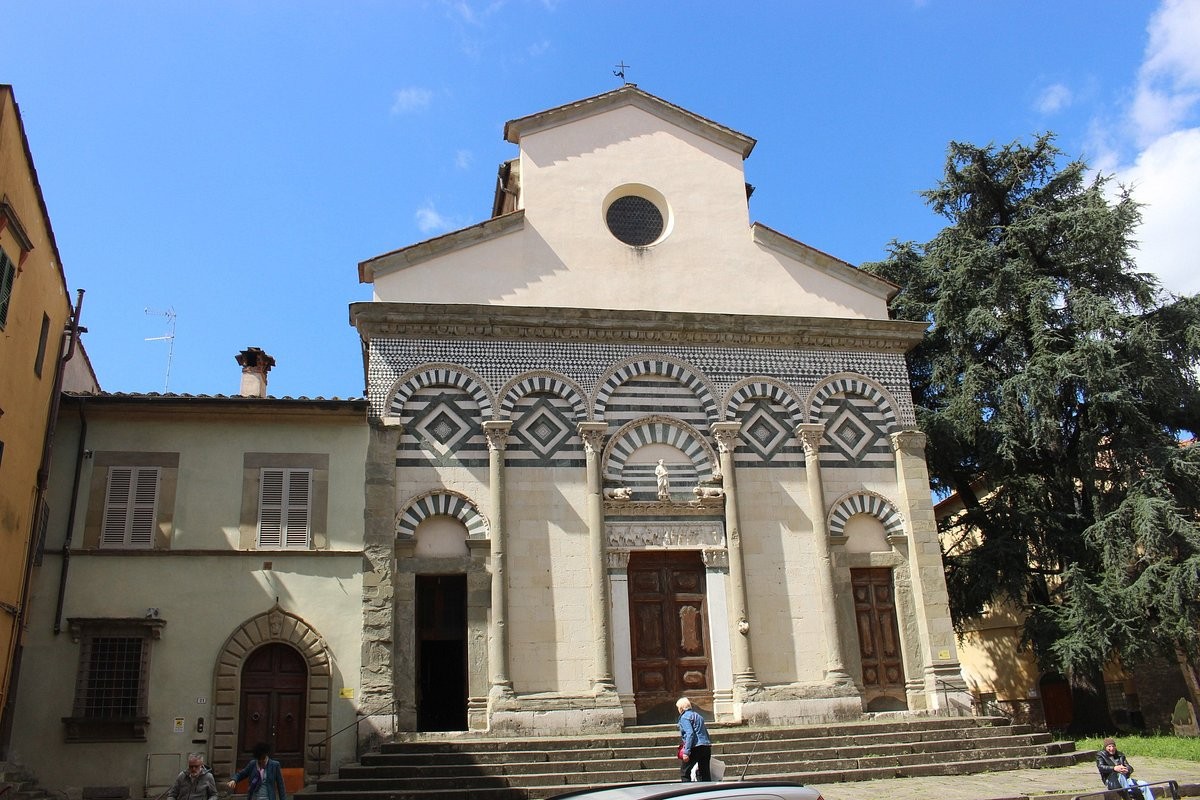
- SantAndrea monument preserving valuable artworks
- Works on APS: 7
Eksponuojami menininkai

Giovanni Pisano
Giovanni Pisano: Italijos skulptorius ir architektas (1248–1318). Derino gotikos ir romiečių meną, garsėjantis Sienos katedros statulėmis bei inovatyviu altarėlių dizainu.

Meno viktorina
Kiekvienas klausimas turi tik vieną teisingą atsakymą.
Klausimas 1:
What is the most prominent artwork housed in Sant’Andrea Museum?
Klausimas 2:
Sant’Andrea Church was originally designed by:
Klausimas 3:
Sant’Andrea Museum's location contributes to its significance as it stands in Piazza del Duomo, which embodies:
Klausimas 4:
Sant’Andrea specializes in what type of sculpture?
Klausimas 5:
Which artist is celebrated for his innovative pulpit design?
Susiję straipsniai

Bronze Age to Modern Masters: 10 Sculptures That Redefined Art | OriginalUniqueArt
Journey through art history with 10 legendary bronze sculptures – from Michelangelo's David to Rodin’s Thinker. Explore the stories, techniques & timeless beauty of these masterpieces. Find museum-quality reproductions & elevate your home decor on OriginalUniqueArt.com.

Bronze Sculptures That Defined Art History | OriginalUniqueArt
Journey through art history with our Top 10 bronze sculptures! Explore masterpieces by Rodin, Michelangelo & more. Discover stories behind iconic statues and find museum-quality reproductions for your home decor at OriginalUniqueArt.com.

The Enduring Form: Exploring Themes & Techniques in Sculpture Across Historical Periods
Explore the rich history of sculpture from ancient masterpieces to contemporary innovations. Discover key techniques, influential artists & investment potential for discerning art collectors.
Eksponatų sąrašas muziejuje Sant'Andrea
Eksponatų nerasta.