
Kelionė per Populiškąją Galybę: Atsklepiant Palazzi Pontifici
Įsiskverbę pačiame Vatikano centre, Palazzi Pontifici yra kur kas daugiau nei tik prabangios pastatų kolekcija; jie yra šimtametės populiškosios valdžios, meninės inovacijų ir gilios dvasinės atsidavimo įžmogijimas. Šie rūmai – pradinai skersai Stotės Šv. Petro bazilikos aplink išsidaryę modestūs rezidenciniai namai – per dramatiškas transformacijas evoliucionavo į išplečiamą kompleksą, į which įsipakeptį visą Vakarų civilizacijos esmę. Lankytis šiuo nepaprastais ansambliu nėra tiesiog ekskursija; tai panardinanti kelionė per istoriją, meną ir tikėjimą, suteikianti retą galimybę išgyventi šedevrus, kurie ir šiandien kelia susižvalgymą bei apmąstymus. Palazzi stovi kaip neįtrūkstamos globėjimo galios įrodymas, demonstruodamas kvapą gniaužiantį meno stilių tęsiamumą nuo Renesanso iki Baroko, visose šio su pretendavimo valstybės intymiose ribose.
Čia vykstantis architektūrinės evoliucijos procesas yra įtraukiantis pasakojimas, atspindintis keičiamą Renesanso ir vėlesnių laikotarpių estetinę jautrią. Nors pamatai siekia ankstesniems laikmečiams, būtent šiuo transformacinio laikotarpio metu rūmai tikrai išžydėjo kaip rafinuoto elegancijos ir meninės ambicijos išraiška. Leo X popieja valdžią vykdanti Loggia – kvapą gniaužanti atvira galerija, užsisakyta paties Raphaelo – akimirksniu pritraukia dėmesį. Tai nėra tiesiog dekoracija; tai kruopščiai apgalvotas naratyvas, vizualus pamokslas, iliustruojantis teologines temas ir stiprinantis popiežių valdžią. Raphelas meistriškai panaudojo disegno – Renesanso principą, reikalaujantį intelektualės koncepcijos ir meistriško piešimo įgūdžių, taip sukuriant kompozicijas, kurios yra tiek vizualiai stulbinančios, tiek intelektualiai įtraukiančios. Pastebėkite elegantiškus arkus, klasikinę proporcijas ir gyvus freskos, vaizduojančius scenes iš Daudo, Izaako bei Abimelecho stebėjamos Rebekos gyvenimo – kiekvienas elementas buvo kruopščiai suplanuotas sukurti harmonijos ir pusiausvyros pojūtį, atspindint Renesanso idealą. Bendras dizainas demonstruoja supratimą apie šviesą ir erdvę, kuris numato vėsesnius Baroko pokyčius, parodydamas nuostabų klasikinioいても atsargumo ir augančios dinamikos derinį. Loggia mastai, kartu su meistrišku Raphaelo perspektivos ir spalvų naudojimu, sukuria patirtį, kuri kelia virš paprasto stebėjimo; ji kviečia apmąstyti tikėjimą, galią ir meninę genijų.
Rafaelio kambariai: Tikėjimo ir meno audinys
Šalia Leo X popieja Loggia yra Rafaelio kambariai – penki nuostabūs freskojų klostytiems salonai, reprezentuojantys Renesanso meistriškumo viršūnę. 1509 m. užsisakyti šie kambariai buvo skirti kaip grandiozinė priėmimo halė užsienio aukščiausiems asmenims. Raphelas ir jo dirbtuvės meistriškai įgyvendino šį ambicingą projektą, sukurdami vientisą ansamblį, švenčiantį humanistinius idealus, klasikinę mitologiją ir krikščionišką teologiją. Kiekvienas kambarys pasako skirtingą istoriją: Šventosios Sakramento Disputą , Athenos mokyklą , Plutos teismą , Tikėjimo triumfą virš klaidų ir Filosofą . Atkreipkite dėmesį į Raphaelio perspektivos naudojimą, jo idealizuotus figūras ir gebėjimą vientisai sujungti klasikinę ir krikščionišką temas. Athenos mokykla , ypats, yra lankytinas pasiekimas – gyvas filosofinis diskursas su Plato ir Aristoteliu šalia šiuolaikinių menininkų ir mokslininkų portretais. Kambario centrinė kompozicija su kruopščiai atvaizduotais人物, įsitraukiančiais į gyvą debatą, įkūnija Renesanso susižvalgymą žiniomis ir proto jėga. Pastebėkite, kaip Raphelas subtiliai įtraukia klasikinės architektūros elementus, kurdamas harmoniją tarp senosios išminties ir krikščioniško tikėjimo. Plutos teismas yra taip pat įtraukiantis, vaizduodamas dieviškos teisybės triumfą virš žemiškos gabžybės per dramatišką šviesos ir šešėlio žaidimą. Šie kambariai suteikia gilią įžvalgą aukštojo Renesanso intelektualinei ir meninei aplinkai – laikotarpiui, pažymėtam atsinaujinusiu susidomėjimu antikvarizmu ir žmogaus potencialo šventimu.
Dieviškas atskleidimas: Michelangelo Sistinos kapelica
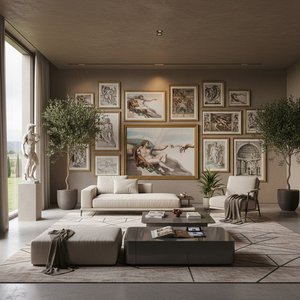
Nėra nė vienos Palazzi Pontifici tyrimo, kuris būtų išbaigtas neatsižvelgus į monumentalų šedevrą, esantį jų viduje: Michelangelo Sistinos kapelicos stropą. Šis kvapą gniaužiantis freska, užbaigtas tarp 1508 ir 1512 metų, yra Renesanso meno viršūnė ir įrodymas apie žmogaus meninį potencialą. Vaizduojamos scenos – nuo Adomo kūrimo iki Potlauko – nėra tik dekoratyvios; tai kruopščiai apgalvoti naratyvai, įkūnijantys gilias teologines temas. Stebėkite figūrų dinamiką, meistrišką chiaroscio (dramatišką šviesos ir šešėlio kontrastą) naudojimą bei visą šio darbo mastą – inžinerinio ir meno įgūdžių pasiekimą, kuris stulbinda žiūrovus net ir po šimtametės. Adomo kūrimas , galbūt garsiausias paveikslas kapelicoje, yra ypač išskirtinis dėl Dievo rankos, ištesiamos, kad suteiktų gyvybę žmonijai. Figūros sukurtos su nepaprastu anatominiu tikslumu ir emociniu intensyvumu, perteikiant susižvalgymą ir stebėjimą. Sistinos kapelica yra daugiau nei tiesiog paveikslas; tai patirtis – kelionė į žmogaus kūrybiškumo ir dvasinio apmąstymo širdį. Kruopščūs detalūs elementai, ryškios spalvos (nuostabiai išsilaikę atsižvelgiant į jų amžių) ir gryna šio projekto ambicija yra tikrai stulbinantys.
Istorinė reikšmė ir palikimas
Palazzi Pontifici istorija neatsiejama nuo paties popiežių valdžios, sudarydama nenutrūkstamą liniją per šimtmečius politinių intrigų, religinių reformų ir meno žydėjimo. Apostolinis rūmai, oficialūs Popiaus rezidencija, peržengia savo vaidmenį kaip būstinė; jie tarnauja kaip dvasinės lyderystės sostinė daugiau nei milijonui katalikų visame pasaulyje. Šių sienų viduje priimti lemingi sprendimai, turintys įtakos pasaulinėms reikalams, formuotos teologinės doktrinos ir puoselėjama nepaprasta meno globėjimo lygis. 1929 m. Laterano sutartis, kuri oficialiai įtvirtino Vatikano valstybę kaip nepriklausomą šalį, sutvirtino rūmų vaidmenį kaip suverenitetės ir dvasinės valdžios simbolio – tai yra Baigmenos neįtrūkstamos galios įrodymas. Per savo istoriją Palazzi matė didžiulio turto ir įtakos laikotarpius kartu su politinių neramonių ir religinių reformų metas. Jie tarnavo kaip svarbių akimirkų fonas Baigmenos istorijoje, įskaitant popiežių konklavas – šventuos susirinkimus, kuriais kardinalai renkasi naujus popiežius – ypač Sistinos kapelicoje, kuri yra glaudžiai susijusi su Palazzi tiek geografiniu artumu, tiek istorine reikšme. Nuolatinės restauracijos pastangos užtikrina, kad šie magnifikantiški pastatai ir toliau įkvėps būsimas kartas.
Žymios parodų ekspozicijos ir unikalių bruožų ypatybės
Palazzi Pontifici rengia rotacinę parodų rinkinį, pristatantį tiek nuolatinę kolekciją, tiek laikinę ekspoziciją, dažnai susitelkiančią į konkrečius menininkus, laikotarpius ar temas platesniame Vatikano meno istorijos kontekste. Pastarojo metu parodos tyrinėjo popiežių portretų evoliuciją, manierizmo įtaką Renesanso tapybai ir sudėtingą simboliką, įlietą rūmų dekoratyviniuose meno kūriniuose. Be didingų freskų ir skulptūrų, lankytojai gali tyrinėti mažiau žinomus kambarį ir koridorius, atskrendžiančius paslėptus detales ir suteikiančius žvilgsnį į kasdienį gyvenimą tų, kurie kadaise gyveno šių sienų viduje. Kruopščiai prižiūrimos sodai aplink Palazzi sukuria ramybės oazę triuškinančio miesto viduryje, siūlydami nuostabius vaizdus į Šv. Petro bazilikos ir Romos horizontą. Rekomenduojama dalyvauti ekskursijoje su vadovu, kad būtų galima pilnai pajusti šio nepaprastų kompleksų istorinę reikšmę ir menines brangybes.