A Singular Vision: Exploring the Musée du Petit Palais’s Dual Legacy
Nestled in the heart of Geneva, Switzerland, the Musée du Petit Palais stands apart from its larger counterparts—a testament to focused artistic exploration and a celebration of Swiss craftsmanship. Unlike sprawling institutions prioritizing breadth over depth, this museum dedicates itself primarily to horology – the meticulous study and practice of timekeeping – alongside an impressive collection of fine 19th and 20th-century art. Its understated elegance and intimate atmosphere offer visitors a truly immersive experience, inviting contemplation and appreciation for artistic beauty intertwined with technological innovation.
Horological Treasures: The Evolution of Time
The museum’s core collection revolves around watches, clocks, and related instruments, charting the remarkable history of timekeeping technology. From ornate Victorian pocket watches to groundbreaking Bauhaus designs, each piece narrates a story of ingenuity and artistic expression. Experts meticulously catalogued and preserved these treasures, showcasing advancements in materials science, engineering precision, and decorative artistry. Visitors can trace the evolution from early mechanical clocks to the sophisticated quartz movements of modern era.
A Palette of Impressionism: Paintings That Speak Volumes
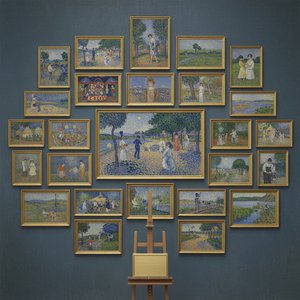
Complementing its horological focus is a thoughtfully curated selection of paintings by prominent artists—a vibrant echo of the Impressionist movement. Jean-Baptiste Armand Guillaumin’s “Portrait of Madame Guillaumin,” captures a serene moment in domestic life with masterful use of light and color, embodying the Impressionists' fascination for capturing fleeting impressions. Similarly, Paul Serusier’s “The Fabric Seller” portrays a bustling Parisian street scene with bold brushstrokes and vibrant hues—a captivating glimpse into the artistic spirit of the era. And Maximilien Luce’s “Steelworks,” exemplifies Post-Impressionist style, presenting an industrial landscape infused with expressive color and textural detail.
Architecture Reflecting Artistic Spirit
The museum's building itself contributes to its unique character—a harmonious blend of functionality and aesthetic consideration. While precise architectural details remain somewhat elusive in readily available documentation, the structure exudes a welcoming warmth and simplicity, prioritizing visitor comfort without sacrificing visual appeal. Its design reflects the values of the era when it was established, emphasizing clarity and elegance – mirroring the artistic sensibilities championed within its walls.
Why Visit Musée du Petit Palais?
More than just a museum, Musée du Petit Palais represents an opportunity to delve into Switzerland’s rich cultural heritage. Its niche specialization—the fusion of horology and fine art—provides a distinctive perspective on artistic history and technological advancement. Whether you're captivated by the intricate beauty of timepieces or drawn to the evocative power of Impressionist paintings, this Geneva institution promises a rewarding journey for discerning art enthusiasts.