

A Jewel of Victorian Grandeur: Morecambe Town Hall
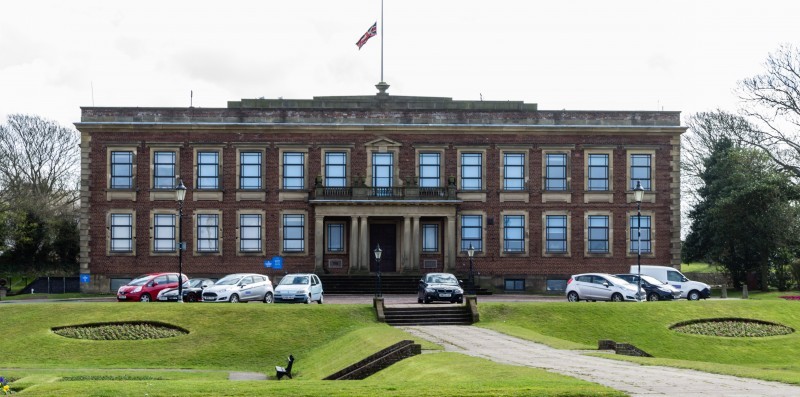
Morecambe Town Hall stands as a magnificent testament to Victorian ambition and civic pride, a building that breathes with the salty air and echoes with the stories of Lancashire’s seaside resort. Located in the heart of Morecambe, a town intrinsically linked to its rich history of glassmaking and, more recently, its dramatic tidal patterns, the Town Hall is far more than just a municipal building; it's a captivating work of art itself, a carefully orchestrated blend of architectural styles reflecting the era’s fascination with both classical grandeur and burgeoning industrial progress. Originally conceived as a grand civic center, it has served as a focal point for community life for over a century, hosting everything from theatrical performances to political rallies, cementing its place within the social fabric of Morecambe.
The building's construction began in 1879 under the direction of architect Thomas Boardman, and was completed in 1883. Boardman, a prominent figure in Lancaster’s architectural scene, drew inspiration from the Italian Renaissance, evident in the imposing façade – a harmonious marriage of Romanesque arches, Corinthian columns, and intricate detailing. The exterior is constructed primarily of local sandstone, lending it a warm, earthy tone that complements the surrounding coastal landscape. Notice particularly the elaborate carvings adorning the upper levels; these depict scenes from Morecambe’s history, including its glassmaking industry and maritime heritage – subtle reminders of the town's vital role in regional commerce.
A Symphony of Interiors: Decoration and Design
Stepping inside the Town Hall is akin to entering a different world. The interior spaces are a breathtaking display of Victorian craftsmanship and opulent decoration, meticulously designed to impress and inspire. The Great Hall, dominated by its soaring ceiling and vast space, immediately commands attention. Here, one encounters a remarkable collection of murals painted by local artists, depicting scenes of Morecambe’s natural beauty – the shimmering sands of the bay, the rugged coastline, and the bustling harbor. These murals aren't merely decorative; they were intended to celebrate the town’s identity and foster a sense of civic pride.
- The Ballroom: A true spectacle of Victorian excess, the ballroom boasts intricate plasterwork ceilings adorned with gilded details, elaborate parquet flooring, and a magnificent crystal chandelier – a centerpiece that casts a dazzling light across the room.
- Council Chamber: Reflecting its official function, the Council Chamber maintains a more restrained elegance, featuring dark wood panelling, ornate fireplaces, and portraits of notable local figures.
- The Minor Halls: Scattered throughout the building are a series of smaller halls, each with its own unique character and decorative scheme, showcasing the versatility of Victorian design principles.
A Legacy of Performance and Community
Morecambe Town Hall has long been associated with the performing arts. Throughout the 20th century, it served as a vital venue for theatrical productions, concerts, and dance performances, nurturing local talent and bringing entertainment to the community. The auditorium itself is a beautifully restored space, retaining its original features and providing an intimate setting for live events. It has hosted numerous touring companies and renowned musicians over the years, leaving behind a rich legacy of artistic expression.
Beyond the stage, the Town Hall has also played a significant role in community gatherings – political meetings, public lectures, and civic celebrations have all taken place within its walls. These events underscore the building’s enduring importance as a central hub for Morecambe's social and cultural life.
Notable Exhibitions and Ongoing Preservation
While primarily known for its architectural grandeur and performance spaces, Morecambe Town Hall has also hosted a variety of notable exhibitions over the years. These have ranged from displays showcasing local artists to historical collections documenting the town’s industrial heritage. The building's ongoing preservation is overseen by Historic England, who are committed to safeguarding this remarkable example of Victorian architecture for future generations. Current efforts focus on restoring original features and ensuring that the building remains a vibrant space for community use.
For those interested in delving deeper into Morecambe’s history and appreciating the beauty of this architectural gem, a visit to the Town Hall is an absolute must. It offers a unique opportunity to step back in time and experience the grandeur of Victorian England – a truly unforgettable journey for art enthusiasts, historians, and anyone captivated by the stories embedded within a remarkable building.