A Jewel of Swiss Art: Unveiling the Kunstmuseum Solothurn
Nestled in the heart of Solothurn, a town steeped in history and charm, lies the Kunstmuseum – a museum that transcends mere display, offering instead a profound journey through the artistic landscape of Switzerland and beyond. Founded in 1902 with an initially diverse collection encompassing art alongside historical artifacts, the museum’s trajectory reflects a deliberate evolution towards its current focus: celebrating both established masterpieces and the vibrant pulse of contemporary Swiss creativity. More than just a repository of artworks, the Kunstmuseum Solothurn is a testament to the passionate collecting instincts of its benefactors, particularly the Dûbi-Müller and Josef Müller families, whose extraordinary gifts have shaped the museum’s distinctive character.
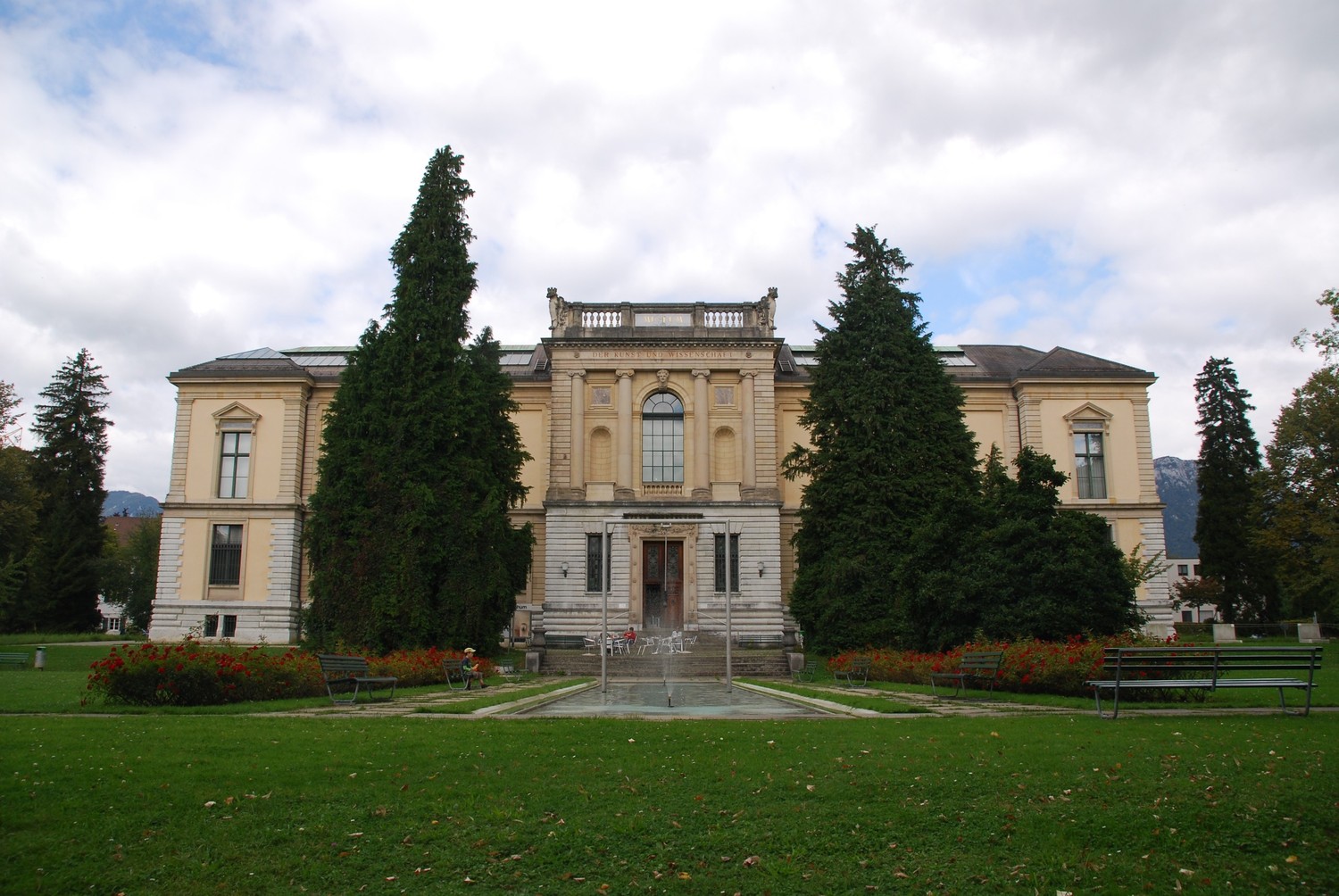
The building itself contributes significantly to the visitor experience. While detailed architectural documentation remains somewhat limited, the museum presents a refined and elegant backdrop – a classic example of late 19th-century design that perfectly complements the diverse collection housed within. Its symmetrical facade and grand entrance evoke a sense of timelessness, inviting visitors into a world where art and history converge. The careful curation of the space ensures that each artwork is presented with respect and attention to detail, fostering an intimate connection between the viewer and the masterpiece.
A Tapestry of Swiss Artistic Voices
The Kunstmuseum’s collection is meticulously organized around five key areas, each offering a unique window into the artistic spirit of its time. The “Old Masters” section immediately captivates with works from the 14th to 18th centuries, culminating in the breathtaking “Madonna of the Strawberries” (1425), a seminal example of Early Netherlandish painting – a work that speaks volumes about devotional practices and artistic innovation. Moving into the “Swiss Landscapes” area, one encounters a comprehensive panorama of Swiss scenery rendered by masters like Caspar Wolf and Félix Vallotton, capturing both the grandeur of the Alps and the subtle beauty of the countryside. This section is particularly rewarding for those interested in how artists interpreted their native land.
The “Swiss Contemporary Art” division showcases the evolution of artistic expression within Switzerland from the late 19th century to the present day, featuring works by figures like Alexander Schawinsky and Peter Birmann. These artists, deeply influenced by movements such as Bauhaus and Expressionism, pushed the boundaries of form and color, reflecting the social and political changes of their era. The museum’s commitment to showcasing both established masters and emerging talents ensures that visitors are exposed to a broad spectrum of artistic styles and perspectives.
Treasures from International Collections
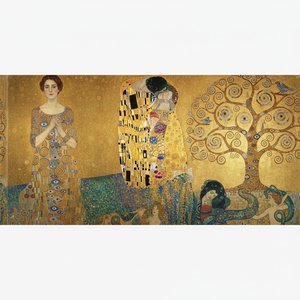
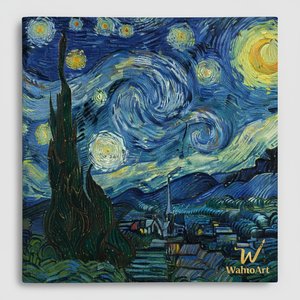
Perhaps the Kunstmuseum's most distinctive feature is its extraordinary collection assembled through the generosity of the Dûbi-Müller and Josef Müller families. These collections represent a remarkable assemblage of international art, including iconic works by Vincent van Gogh, Gustav Klimt, Paul Cézanne, and Henri Matisse – artists whose influence resonates deeply within the Western artistic canon. The presence of these luminaries alongside Swiss masters creates a truly exceptional dialogue between national and international artistic traditions.
Notable individual pieces include Hans Holbein the Younger’s “Solothurner Madonna,” a cornerstone of Swiss art history, and Paul Cézanne's poignant "Three Skulls on a Patterned Carpet," a study in color and form that exemplifies the artist’s revolutionary approach to painting. The museum also houses works by lesser-known but equally compelling artists such as Peter Birmann, known for his bold landscapes and portraits, and Alexander Schawinsky, an experimental photographer and stage designer.
Beyond the Paintings: A Museum of Stories
The Kunstmuseum Solothurn is more than just a collection of artworks; it’s a repository of stories – tales of passionate collectors, artistic movements, and the evolving cultural landscape of Switzerland. The museum regularly hosts temporary exhibitions that delve deeper into specific themes or artists, offering fresh perspectives on familiar works and introducing visitors to new voices in the art world. From exploring the influence of Northern Renaissance painting on Peter Birmann’s work to examining the innovative techniques of Alexander Schawinsky's photography, each exhibition provides an opportunity for intellectual engagement and artistic discovery.
A visit to Kunstmuseum Solothurn is a rewarding experience for art lovers of all levels. It’s a place where history, beauty, and innovation converge, offering a unique glimpse into the heart of Swiss artistic heritage and beyond.