



Jesu Šventojo Pranešimo katedra: Maskvos Kremlio juodukas
Įtvirtintų Maskvos Raudonojo aikštės sienų apsuptyta Jesu Šventojo Pranešimo katedra iškilia ne tik kaip tikos paminklas, bet ir kaip šimtų metų Rusijos meninės meistriybės liudija. Pradinai 1484 m. suprojektuota kaip Ivano III privati koplyčia, ši bazilika tapo koronacijų, lemingų Rusijos istorijos akimirkų bei architektūrinės evoliucijos, keliosą indžiuojančios stilių, liudininke.
- Architektūrinis stebuklas: Šiandenos horizontą dominuoja devynios spinduliuojančios kupoles, atspindinčios meistrišką Pskovo ir Maskvos tradicijų derinį. Façadus puošia kokošnikų formos arkos su itin sudėtingais detaliais – tai tikras statytojų įgūdžio įrodymas.
- Istorinė reikšmė: Šimtmečius ši vieta tarnavo kaip caro spindulėms, tapdama Rusijos monarchijos dvasiniu širdimi. Nors 1547 ir ᠲ1737 m. gaisrai siaubingai sužeidė Maskvą, katedra išliko, o atliktos restauracijos išsaugojo jos prabangą.
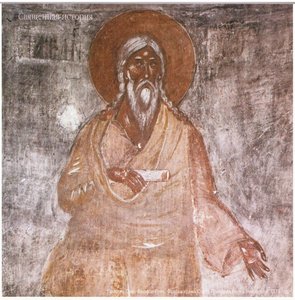
- Ikonografiniai lobiai: Katedra saugo nepanašią ikonų kolekciją, priskirtą Andreiui Rublevui ir Graikų Teofanui – tai darbai, prisigimineję ramybės grožį ir dinamiškas kompozicijas, kurios skamba per laiko.
Katedros istorija neatsiejama nuo suemblečios Rusijos praeities – nuo ambicingų Ivano III renovacijos projektų iki Napoleono invazijos ir vėlesnio sovietinio valdymo laikų. Šiandien ji yra Maskvos Kremlio muziejų dalis, siūlydama lankytojams gilią ryšį su Rusijos meniniu paveldu.
Tyrinėjant Bizantijos meninę sielą
Katedros dizainas seka bizantiškus architektūros principus, kurie itin aiškiai pasireiškia jos kryžminėje išplanavimo struktūroje ir monumentalioje proporcijose. Plytų naudojimas ir auksinės kupolės atspindi Pskovo įtakas, o Maskvos stilius juntamas kokošnikų arkose bei dekoratyviniuose elementuose.
- Išskirtiniai bruožai: Įsimagokite katedros interjero prabangą – erdvę, skendimą į šviesą nuo žvakčių, kur freskos su neįtikėtinu tikslumu atvaizduoja biblijinius pasakojimus.
- Restauracijos darbai: Metų metus tręstamos kruopščios restauracijos apsaugos šiuos neįkainojamus meninius pasiekimus, leidėdami mokslininkams ir mylėtojams vis tiek džiaugtis jų grožiu bei reikšme.
Meistrių palikimas
Tarp katedros brangiausių lobių iškilia Andrei Rublevio ikonos, kuriose Kristaus Pantokratoras ir Švč. Mergelė Marija įkūnija bizantiškos ikonografijos dvasinę galybę. Panašiai ir Graikų Teofano ryškios spalvos bei dinamiškos kompozicijos sučiaupia jo laikmečio dvasią.
- Rublevio įtaka: Raminanti Kristaus Pantokratoro apeiga atspindi amžiną dieviškos majestikos idealą – šedevrą, kuris ir šiandien skatina kontemplaciją.
- Teofano vizija: Teofano freskos perteikia savo laikotarpio azartą ir dinamiką, demonstruodamos išimtinį spalvų ir kompozicijos valdymą.
Lankantis Maskvos Kremlio muziejuose
Įtraukta į Kremlio kompleksą, Jesu Šventojo Pranešimo katedra laukia lankytojų, troškančių pasinerti į Rusijos meno istoriją. Tyrinėkite jos galerijas – kur čia saugoma stebėtina ikonų, freskų ir istorinių dokumentų kolekcija – ir pasinerkite į katedros nekintantį palikimą kaip tikos ir meninio meistriako simbolį.


