A Parisian Haven for Dutch Masters: Exploring the Institut Néerlandais
The Institut Néerlandais, nestled in the elegant Hôtel Turgot of Paris’s Rue de Lille, stands as a testament to a singular ambition – fostering artistic dialogue between France and the Netherlands during the Belle Époque. Though its doors closed permanently in 2013 after decades of scholarly dedication, the Institut's legacy persists powerfully through its cornerstone: the Frits Lugt Collection, an unparalleled assemblage of Dutch drawings and prints that continues to inspire researchers and captivate art enthusiasts alike.
Founded in 1957 by David Pierre Giottino Humbert de Superville—better known as Frits Lugt—the Institut’s genesis stemmed from Lugt's fervent devotion to Old Master drawings. Driven by a conviction that these artistic treasures deserved wider appreciation, he envisioned a space where scholars could immerse themselves in meticulous study and artists could draw inspiration from the masters’ techniques. The Hôtel Turgot, with its stately rooms bathed in natural light and imbued with classical grandeur, proved an ideal incubator for Lugt's vision. He painstakingly assembled his personal collection—a veritable treasure trove comprising rare drawings by Rembrandt van Rijn, Jacob van Ruisdael, Jan Steen, and numerous other luminaries—establishing the Institut as a beacon of Dutch artistic heritage.
The Frits Lugt Collection: A Window into Artistic Genius
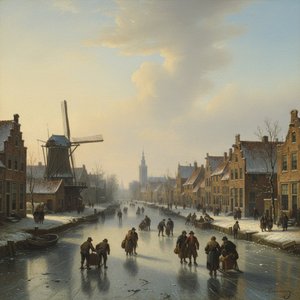
At its core lay the Frits Lugt Collection, representing more than just an impressive assortment of artworks; it embodied Lugt’s discerning eye and profound understanding of artistic principles. The collection showcased exceptional examples from Rembrandt's oeuvre—particularly his etchings—demonstrating his mastery of chiaroscuro and capturing the essence of human emotion with breathtaking precision. Alongside Rembrandt’s masterpieces were works by Jacob van Ruisdael, whose landscapes conveyed a sublime sense of atmosphere and perspective, and Jan Steen, renowned for his vibrant depictions of everyday life infused with humor and social commentary. Beyond these celebrated names resided a wealth of lesser-known drawings—studies for larger compositions offering glimpses into an artist’s creative process, delicate sketches portraying Dutch interiors and rural scenes, and preparatory drawings revealing the meticulous craftsmanship characteristic of Old Master artists. The collection extended its reach beyond Dutch art, encompassing European works spanning from the Medieval period to the 19th century, providing a comprehensive panorama of artistic evolution.
Beyond Display: Institut Néerlandais as a Cultural Catalyst
The Institut’s significance transcended mere exhibition; it functioned as a dynamic cultural hub actively promoting engagement and collaboration between French and Dutch artistic communities. Regular lectures delivered by leading scholars illuminated the complexities of European art history, while concerts featuring Dutch composers showcased musical traditions rooted in centuries of heritage. Film screenings explored cinematic representations of Dutch culture and identity, fostering intercultural understanding. Furthermore, the Institut served as a vital platform for emerging artists—providing them with invaluable opportunities to showcase their work and connect with established figures within the artistic landscape. This commitment to fostering dialogue and inspiration solidified the Institut’s position as an irreplaceable resource for anyone seeking a deeper appreciation of Dutch and European artistic traditions.
Fondation Custodia: Safeguarding Lugt's Legacy
Following Lugt’s passing, his unwavering dedication to preserving his collection fueled the establishment of Fondation Custodia—another institution founded by Lugt—which continues to operate as a gallery dedicated to showcasing selections from the Frits Lugt Collection. Exhibitions curated by Fondation Custodia offer visitors an immersive experience into the beauty and historical significance of these remarkable artworks, ensuring that Lugt’s vision—one of accessible scholarship and artistic appreciation—remains vibrant for generations to come.
A Continuing Dialogue: Institut Néerlandais Today
Today, the Hôtel Turgot houses Fondation Custodia, maintaining the Institut Néerlandais's spirit of scholarly pursuit and artistic engagement. Ongoing publications delve deeper into Lugt’s research and contribute to expanding knowledge about Dutch art history. The Institut’s enduring influence serves as a reminder that true cultural enrichment arises from fostering connections between traditions and nurturing creativity—a legacy beautifully embodied in the Hôtel Turgot itself, a Parisian landmark forever associated with the pursuit of artistic excellence.