A Portal to a Gilded Era: The Living Legacy of Hallwyl House
Stepping across the threshold of the Hallwyl Museum in Stockholm is akin to entering a meticulously preserved time capsule, a portal directly into the opulent world of late 19th-century Swedish nobility. Unlike many museums that display art about a period, Hallwyl House presents an immersive experience—it is the period, faithfully recreated as the home and collection of Countess Wilhelmina von Hallwyl and her husband, Count Walther. This is not merely a showcase of beautiful objects; it is a poignant narrative of a family, their passions, and their place within a rapidly changing society. The very air within these walls seems to hold the breath of a bygone era, inviting visitors to wander through rooms that have remained virtually untouched since the turn of the century.
The architecture itself serves as a breathtaking prelude to the treasures found within. Designed by the celebrated architect Isak Gustaf Clason between 1893 and 1898, the palace’s exterior draws inspiration from medieval prototypes and the romantic grandeur of Renaissance Venice, evoking a sense of historical weight and prestige. Yet, beneath this classical facade lies a marvel of modern innovation for its time. The von Hallwyls were pioneers of progress, integrating cutting-edge conveniences such as electricity, central heating, and even telephones into their private sanctuary. This fascinating juxtaposition between historical aesthetic and technological advancement speaks volumes about the family's identity: deeply rooted in tradition, yet enthusiastically embracing the dawn of a new age.
The Countess’s Vision: A Global Tapestry of Art and Craft
The heart of the museum beats through the extraordinary collection amassed by Countess Wilhelmina von Hallwyl. Driven by an insatiable curiosity and a discerning eye, she traveled extensively across Europe and Asia, gathering over 50,000 objects that reflect her profound appreciation for global craftsmanship. For the art lover or collector, the halls offer a breathtakingly eclectic yet harmonious assemblage of decorative arts. One might find oneself mesmerized by delicate Chinese porcelain, intricate Japanese paintings, or the heavy, commanding presence of European arms and armor. This collection is not merely a display of wealth, but a curated dialogue between distant cultures, brought together through one woman's singular vision.
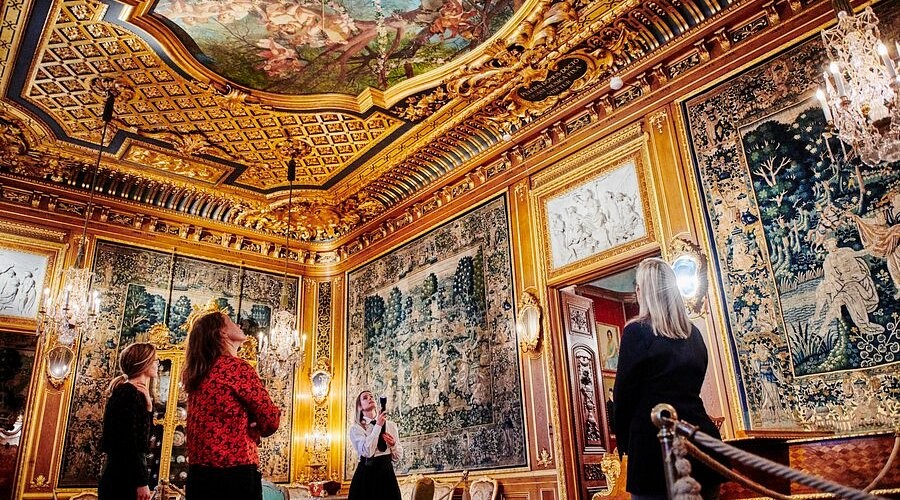
Every corner of the house offers a new discovery for the design enthusiast. The interiors are a masterclass in late Victorian elegance, featuring exquisite furniture, richly woven textiles, and rare manuscripts that whisper stories of intellectual pursuit. From the grand dining hall set for a lavish meal to the quiet intimacy of the library, the arrangement of these objects remains exactly as the Countess intended. Her dedication to detail was so profound that she meticulously cataloged every item herself, ensuring that the provenance and spirit of her collection would endure. This commitment to authenticity is what makes the Hallwyl Museum a sanctuary for those who seek to understand the true essence of historical luxury.
A Living Monument of Preservation
What truly distinguishes the Hallwyl Museum from other historical institutions is its unwavering commitment to preservation, a mandate enshrined in 1920 by the Countess herself. She stipulated that the house and its contents remain unchanged, safeguarding not only the objects but also the very atmosphere of noble life. This rare level of integrity allows contemporary visitors to experience the intimacy of private spaces—the bedrooms, the smoking rooms, and the billiards room—as if the von Hallwyls had only just stepped out for a moment. It is a place where history is not studied from a distance but felt through the texture of velvet and the glow of period lighting.
Beyond its permanent treasures, the museum continues to breathe life into the past through thoughtful exhibitions that bridge the gap between history and modern inquiry. Whether exploring the controversial social implications of the "Corset War" or marveling at the delicate artistry of miniature dollhouses in temporary displays, the museum remains a vibrant center for cultural exploration. For interior designers seeking inspiration or historians tracing the lineage of Swedish decorative arts, the Hallwyl Museum stands as an unparalleled monument to the power of a life well-lived and a collection deeply loved.