A Symphony of Stone and Spirit
In the heart of the Sarthe region, where the French landscape whispers tales of ancient devotion, lies the Benedictine Abbey of Saint-Pierre in Solesmes. To enter this sacred space is to step beyond the veil of the modern world and into a living chronicle of faith that has endured for over a millennium. Founded around 1010 by Geoffrey, Lord of Sablé, the abbey serves as much more than a mere monument; it is a breathing repository of Western spiritual and musical heritage. The air within its walls seems to vibrate with the echoes of centuries, carrying the weight of Norman conquests, the turbulence of the French Revolution, and the triumphant restoration of Benedictine life. It is a place where history is not merely studied but felt, an immersive sanctuary that invites the soul to linger in contemplation.
The architectural silhouette of the abbey presents a breathtaking dialogue between eras, a seamless synthesis of Romanesque solidity and Gothic aspiration. As one wanders through the church, the robust, grounded walls and arched doorways evoke the strength of the early medieval period, while the soaring nave and intricate ribbed vaulting reach upward with the grace of Gothic innovation. This structural harmony is perhaps most beautifully realized in the tranquil cloister, a hidden oasis where carved stone columns adorned with delicate floral motifs offer a moment of silent repose. Every element of the design was meticulously crafted to foster an atmosphere of prayer, ensuring that the very stones themselves contribute to the abbey’s profound spiritual resonance.
The Sacred Harmony of Art and Sound
While many institutions preserve art in silence, Solesmes Abbey celebrates a unique form of intangible masterpiece: the Gregorian chant. The abbey holds a singular position in global culture as the site where this ancient musical tradition was painstakingly researched, reconstructed, and standardized. This scholarly devotion to sacred melody has left an indelible mark on liturgical music worldwide, making the abbey a pilgrimage site for those who find divinity in sound. To experience Solesmes is to understand that art is not confined to the visual; it is found in the precise, haunting cadence of a monk’s chant, a tradition preserved through centuries of monastic rigor.
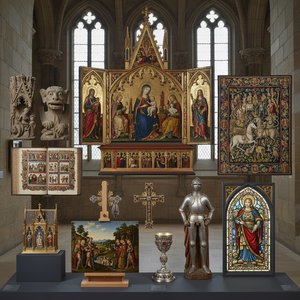
Complementing this auditory splendor is an extraordinary collection of sculptural works that command the viewer's reverence. The "Saints of Solesmes," masterfully executed by Jean Eustache Ingouville and Louis Bougueray, stand as a pinnacle of Benedictine artistic endeavor. These monumental statues, characterized by their serene expressions and masterful craftsmanship, embody the spiritual ethos of the Gospels. They do not merely depict holy figures; they manifest a sense of divine presence through the subtle interplay of light and shadow upon their Romanesque forms. For the art lover or the collector of profound beauty, these works represent a rare intersection of sculptural excellence and deep theological meaning.
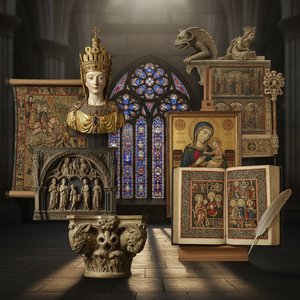
Beyond the grand sculptures, the abbey’s treasures extend into the intimate realms of the written word. Its library houses an impressive assemblage of ancient manuscripts, each page a testament to the intellectual rigor of the Benedictine order. These illuminated treasures, often showcased in specialized exhibitions, offer a glimpse into the meticulous artistry of monastic scribes who transformed parchment into windows of light. For interior designers and connoisseurs of historical elegance, the abbey serves as an eternal inspiration, demonstrating how art, when rooted in deep purpose and tradition, can create an environment of unparalleled grace and timelessness.