


1


Atnaujinta spalis 2026 · pagal mūsų populiarumumo koeficientą (paieškos, lankytojai ir užsakymai kiekvienam kūriniui) · 13 William Staveley darbai mūsų kataloge
Trumpai tariant
Galerijos akimais, garsiausias William Staveley paveikslas yra Jane Duff of Hatton (1790). Dr Gregory Grant (1796) ir Sir John Turner Dryden (1795) užbaia trio, kurį atpažįsta kiekvienas ž)/\ Iš 13 William Staveley darbų mūsų kataloge, galerija žemiau pristato 13 garsiausius – kiekvienas yra originalus, su nurodytu metais, muziejumi bei unikaliu aprašymu.



Ketverios temos, dažniausiai pasikrausto originaluose, kiekvienos su savo puikiausiu pavyzdžiu.
3 muziejai, kuriuose saugoma daugiausia šioje pusėje esamų paveikslų.
| Muzejaus | Miestas | William Staveley darbai | Šiojo sąrašo paveikslai |
|---|---|---|---|
 Canons Ashby House |
2 | Sir John Turner Dryden, Sir John Turner Dryden (1752–1797), 1st Bt of Canons Ashby and 4th Bt of Ambrosden | |
 Škotijos nacionalinė portretų galerija |
Edinburgas | 2 | Henry Mackenzie (1745–1831), Novelist and Essayist, Sir James Grant (1738–1811), Member of Parliament |
 Scottish Police College |
Kincardinshire | 1 | Admiral Viscount Keith (1747–1823), GCB |
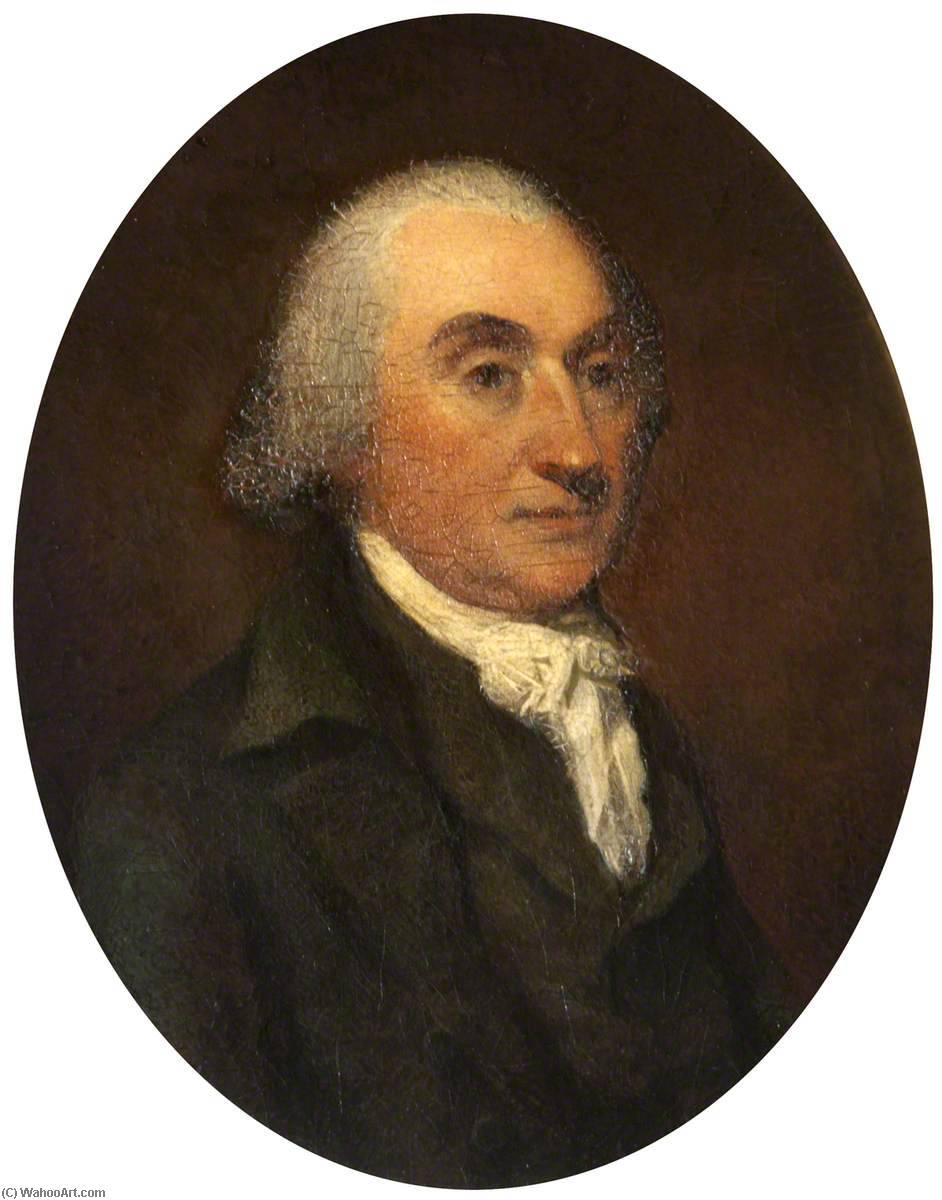
Jane Duff of Hatton (1790). Toliausiai eina Dr Gregory Grant (1796) ir Sir John Turner Dryden (1795).
Jane Duff of Hatton, Dr Gregory Grant, Sir John Turner Dryden, Sir John Turner Dryden (1752–1797), 1st Bt of Canons Ashby and 4th Bt of Ambrosden, Henry Mackenzie (1745–1831), Novelist and Essayist, George Home of Paxton, Sir James Grant (1738–1811), Member of Parliament, Ann Bealby, William Craig ir Alexander Abercromby (1784–1853). Viršuje esančioje reitingo sąraše nurodyta kiekvieno kūrinio metis ir muziejus.
Mūsų kataloge yra 13 darbų autoriaus William Staveley.
Daugiausia – Canons Ashby House, Škotijos nacionalinė portretų galerija (Edinburgas) ir Scottish Police College (Kincardinshire). Viršuje esančiame muziejų sąraše yra visi jie.
Portrait (3), 18th century (2) ir Formal (2) iš 13 šioje pusėje esamų darbų.
Neoclassicism, vadovaujantis šios puslapio originalais kūriniais.
Sir John Turner Dryden ir Sir John Turner Dryden (1752–1797), 1st Bt of Canons Ashby and 4th Bt of Ambrosden: Canons Ashby House kolekcijoje yra 2 šioje pusėje esančių darbų.
In the annals of British portraiture, few names evoke as much quiet reverence and historical intrigue as William Staveley. A figure emerging from the late Georgian era, Staveley’s life was a brief but brilliant flash of artistic mastery. Born in Edinburgh around 1785, his early years were shaped by an elite education, moving from the prestigious halls of Eton College to the scholarly environment of Oxford University. While much of his personal biography remains shrouded in the mists of time, his canvases speak with a clarity that defies his relative obscurity. He possessed a rare, innate ability to transcend mere likeness, capturing not just the physical features of the Scottish nobility, but the very soul and psychological depth of his subjects.
Stavely’s artistic development was deeply rooted in the classical traditions of his predecessors. He did not merely observe the masters; he internalized their very essence. By meticulously studying the works of Rembrandt and Joshua Reynolds, Staveley mastered the sophisticated technique of chiaroscuro. This dramatic interplay between light and shadow became the hallmark of his oeuvre, allowing him to sculpt faces out of darkness and imbue skin tones with a lifelike warmth. Unlike many of his contemporaries who sought to overwhelm the viewer with grandiosity and ostentatious displays of wealth, Staveley pursued an aesthetic of understated elegance. His brushwork favored accuracy and subtlety, finding profound beauty in the quiet nuances of a gaze or the gentle fold of a silk garment.
The breadth of Staveley’s contribution to the portraiture of his era is best understood through his most celebrated commissions. His work served as a vital record for the wealthy Scottish families and prominent figures of the period, acting as a window into the social hierarchies and intellectual currents of the late 18th and early 19th centuries. Each portrait was a carefully constructed narrative of dignity and grace.
Among his most enduring achievements are works that showcase his remarkable anatomical precision and emotional sensitivity:
Though Staveley’s life was tragically cut short by his death in 1808, the impact of his brief career remains palpable. He left behind a collection of works that do more than simply document faces; they preserve the spirit of an age. Through his disciplined use of light and his commitment to the truth of the human countenance, William Staveley secured his place as a master of Scottish portraiture, leaving an indelible mark on the history of British art.


