


1


Atnaujinta spalis 2026 · pagal mūsų populiarumumo koeficientą (paieškos, lankytojai ir užsakymai kiekvienam kūriniui) · 23 William Hart darbai mūsų kataloge
Trumpai tariant
Iš visų originalų, kuriuos paliko William Hart, garsiausias yra Hudson River Landscape (1854). Tiesiog už jų seka Tivoli Falls (1851) ir Rocky Coast at Sunset (1860). Mūsų kataloge yra 23 darbų autoriaus William Hart; galerija išsaugojo 22 labiausiai pasaulyje žyminiausių kūrinių – kiekvienas jų pateikiamas su datos, muziejaus ir istorijos aprašymu.


 Cows in the Meadow1878
12
 Hudson River Landscape1879
13
 Scene at Napanoch1883 · Metropolitano meno muziejus
14
 Cattle and Landscape1880 · Centennial One Object Exhibit
15
 Grand manan
16
 New London, Connecticut
17
 Fields in Summer
18
 Near Tappan Zee, New York
19
 View of New Hampshire
20
 Sunset over the Lake
21
 Summer stream
22
 Woodland scene
Ketverios temos, dažniausiai pasikrausto originaluose, kiekvienos su savo puikiausiu pavyzdžiu.
4 muziejai, kuriuose saugoma daugiausia šioje pusėje esamų paveikslų.
| Muzejaus | Miestas | William Hart darbai | Šiojo sąrašo paveikslai |
|---|---|---|---|
 Albany Institute of History - Art |
Albany | 1 | Tivoli Falls |
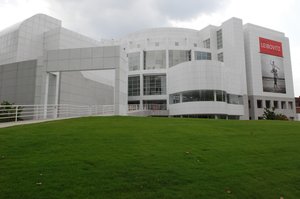 High Museum of Art |
Atlanta | 1 | The Last Gleam |
 Metropolitano meno muziejus |
Niujorkas | 1 | Scene at Napanoch |
 Centennial One Object Exhibit |
Unknown | 1 | Cattle and Landscape |
Šioje apžvalsoje William Hart darbai apima tik 6 metų laikotarpį, nuo 1878 iki 1883: trumpa karjera, pateikta čia metis metams.
Pasirinkite metus, kad pamatytumėte originalus darbus.


This painting hangs in the dining room of Thomas Edison

William Hart's "Scene at Napanoch," painted in 1883, isn’t merely a landscape; it’s a carefully constructed tableau of rural life imbued with a profound sense of quiet observation and the subtle melancholy inherent in capturing a fleeting moment. This Hudson River School masterpiece, housed within The Metropolitan Museum of Art in New York City, offers a glimpse into a bygone era – a time when America was still grappling with…
Hudson River Landscape (1854). Toliausiai eina Tivoli Falls (1851) ir Rocky Coast at Sunset (1860).
Hudson River Landscape, Tivoli Falls, Rocky Coast at Sunset, On the Maine Coast, Study for View of the Valley of the White Mountains, New Hampashire, 1857''', Harvest Scene - Valley of the Delaware, Sunset in the Valley, The Last Gleam, The Land, Keene Valley ir Deer in the Adirondacks. Viršuje esančioje reitingo sąraše nurodyta kiekvieno kūrinio metis ir muziejus.
Mūsų kataloge yra 23 William Hart darbų, skirtų laikotarpiui nuo 1878 iki 1883.
Daugiausia – Albany Institute of History - Art (Albany), High Museum of Art (Atlanta) ir Metropolitano meno muziejus (Niujorkas). Viršuje esančiame muziejų sąraše yra visi jie.
1878 laikotarpiu: 3 iš 22 šioje pusėje esančių darbų buvo sukurtos tada, iš jų The Land, Keene Valley.
Šioje pusėje seniausias darbas yra The Land, Keene Valley (1878), o naujausias – Scene at Napanoch (1883).
Landscape (4), Sunset (3) ir Usa (3) iš 22 šioje pusėje esamų darbų.
Hudson river school, vadovaujantis šios puslapio originalais kūriniais.


