William Aikman portretas

65 garsiausių William Aikman paveikių – kiekvienas yra unikalus

Atnaujinta lapkritis 2026 · pagal mūsų populiarumumo koeficientą (paieškos, lankytojai ir užsakymai kiekvienam kūriniui) · 73 William Aikman darbai mūsų kataloge

Trumpai tariant

John Campbell, Second Duke of Argyll and Duke of Greenwich (1680-1743) (1709) yra viena iš labiausiai žaičiamosių William Aikman tapierių; originalas priklauso Royal Collection, Londonas. Po to akmuo patenka į Anne Dalrymple, Lady Steuart, d. 1736 (1710) ir James Gibbs (1682-1754) holding a Plan of St Mary le Strand, London (1713). Iš 73 William Aikman darbų mūsų kataloge šios 65 yra garsiausios – kiekvienas yra unikali originali dai̇lia, pateikta su jos metais, muziejumi ir priežastimi, kodėl ji išlieka per amžius.

1682 – 1731, Aberdeenshire Neoclassicism Daugiausia darbų: Škotijos nacionalinė portretų galerija

10 geriausių William Aikman paveikslų: galerijos akimais

1
John Campbell, Second Duke of Argyll and Duke of Greenwich (1680-1743) (1709) aut. William Aikman

John Campbell, Second Duke of Argyll and Duke of Greenwich (1680-1743)

1709 · Oil On Canvas · Royal Collection, Londonas

The subject of this oil on canvas is John Campbell, Second Duke of Argyll and Duke of Greenwich. He is depicted in a vertical, three-quarter length pose, positioned slightly off-center against a background of heavy dark drapery and a distant, hazy landscape. The sitter wears a deep crimson coat accented by metallic silver and gold details, paired with a bright blue sash. His posture is upright, conveying a sense of…

2
Anne Dalrymple, Lady Steuart, d. 1736 (1710) aut. William Aikman

Anne Dalrymple, Lady Steuart, d. 1736

1710 · Oil On Canvas · Škotijos nacionalinė portretų galerija, Edinburgas

This three-quarter length portrait presents Anne Dalrymple, Lady Steuart, d. 1736, captured by the hand of William Aikman. Painted about 1710, the work fixes the subject in a moment of quietude. She exists within a space of soft light and deep shadow, her presence defined by the stillness of her posture. The artist, William Aikman, focuses on the steady gaze of the sitter, anchoring the composition with her steady, pale…

3
James Gibbs (1682-1754) holding a Plan of St Mary le Strand, London (1713) aut. William Aikman

James Gibbs (1682-1754) holding a Plan of St Mary le Strand, London

1713 · Oil On Canvas · Wimpole Hall

The air in the studio feels heavy and still as the light catches the fine, white powder of a meticulously styled wig. We find ourselves in the presence of an older man, his gaze fixed forward with a quiet, steady intensity that suggests a mind preoccupied with geometry and stone. He sits in a three-quarter pose, his dark brown coat absorbing the shadows of the room, while a crisp white…

4
Archibald Campbell, Earl of Ilay, later 3rd Duke of Argyll (1682-1761) (1715) aut. William Aikman

Archibald Campbell, Earl of Ilay, later 3rd Duke of Argyll (1682-1761)

1715 · Oil On Canvas · Royal Collection, Londonas

Archibald Campbell, Earl of Ilay, later 3rd Duke of Argyll, occupies the space with a commanding stillness that demands immediate recognition. He stands in a vertical three-quarter length pose, his figure cutting a sharp silhouette against a dark, muted background of umber and black. A single light source from the upper left sweeps across the scene, catching the pale sheen of his wig and the luminous texture of his skin.…

5
Patie Birnie, the Fiddler of Kinghorn (1721) aut. William Aikman

Patie Birnie, the Fiddler of Kinghorn

1721 · Oil On Canvas · Škotijos nacionalinė portretų galerija, Edinburgas

The air feels heavy with the scent of aged wood and wool as Patie Birnie, the Fiddler of Kinghorn, meets our gaze. He sits in a three-quarter pose, his body angled slightly away while his eyes lock onto ours with a warmth that suggests a shared joke or a song just about to begin. A gentle smile creases his weathered face, softening the deep lines carved by years of laughter…

6
Sir Thomas Saunders Sebright, 4th Bt (1692-1736) or Mr Crawley (1730) aut. William Aikman

Sir Thomas Saunders Sebright, 4th Bt (1692-1736) or Mr Crawley

1730 · Oil On Canvas · Blickling Hall

A single figure occupies the center of this vertical landscape, a man caught in a moment of poised stillness. He wears a grey frock coat, its surface punctuated by the hard glint of silver buttons. Beneath the coat, a blue tunic reveals a pattern of brown damask braid, a subtle detail against the pale skin of his neck. A white cravat is knotted precisely, leading the eye upward to a…

7
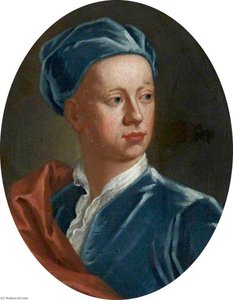
An Unfinished Study of the Head of James Thomson (1725) aut. William Aikman

An Unfinished Study of the Head of James Thomson

1725 · Oil · Yale Center for British Art, New Haven

In this unfinished oil study, the young man James Thomson emerges from a haze of muted tones. William Aikman captures a fleeting moment of quietude, freezing the subject in a three-quarter view as he gazes toward the right. The portrait feels immediate, as if the artist has just stepped back to observe the play of light across a face that is still being brought into being. It is a glimpse…

8
Henry Kelsall (1692–1762) (1729) aut. William Aikman

Henry Kelsall (1692–1762)

1729 · Oil On Canvas · National Trust, Norwich

In this 1729 portrait, we encounter Henry Kelsall, a man whose presence commands the space he occupies. He is depicted in a full-length pose, standing with a quiet authority that suggests a life of significant social standing. The composition is traditional, placing him centrally against a backdrop that hints at a stately interior. A heavy red curtain drapes to one side, providing a deep, saturated contrast to the cool tones…

9
Sir Robert Walpole (1676–1745), 1st Earl of Orford, KG (1730) aut. William Aikman

Sir Robert Walpole (1676–1745), 1st Earl of Orford, KG

1730 · Oil On Canvas · National Trust, Norwich

This oil on canvas portrait, dating to 1730, depicts Sir Robert Walpole, 1st Earl of Orford, KG. The subject is presented in a three-quarter pose, facing slightly to the left, and occupies most of the frame. He is dressed in elaborate robes that signify wealth, power, and rank. The composition is centered, with the figure set against a dark and indistinct background that serves to highlight the subject. The lighting…

10
Dorothy Boyle (1699–1758), Countess of Burlington (1728) aut. William Aikman

Dorothy Boyle (1699–1758), Countess of Burlington

1728 · Oil On Canvas

In this 1728 oil on canvas, we encounter Dorothy Boyle, Countess of Burlington, presented in a formal, waist-up portrait. She gazes toward the viewer with a composure that suggests a life lived within the highest circles of British nobility. The composition is intimate, utilizing an oval frame to focus our attention entirely upon her figure against a muted, neutral brown background. There is a quietude in her expression, a seriousness…

žinomi William Aikman paveikslai, nuo 11 iki 65 numerio

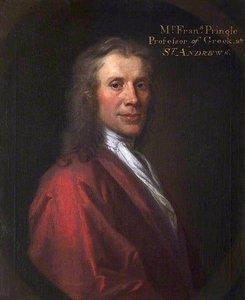
11Caroline of Brandenburg Ansbach (1683–1737), and Her Son Prince William Augustus (1721–1765), Duke of Cumberland (1730) aut. William AikmanCaroline of Brandenburg Ansbach (1683–1737), and Her Son Prince William Augustus (1721–1765), Duke of Cumberland1730 · National Trust 12James Hadow aut. William AikmanJames HadowSt Andrews universiteto muziejus 13George Alexander (1704) aut. William AikmanGeorge Alexander1704 14Robert Geddes, FRCSEd (1709) (1709) aut. William AikmanRobert Geddes, FRCSEd (1709)1709 · Edinburgo Karališkoji chirurgų akademija 15John Lauder (c.1680–1737), FRCSEd (1709) (1700) aut. William AikmanJohn Lauder (c.1680–1737), FRCSEd (1709)1700 · Edinburgo Karališkoji chirurgų akademija 16Robert Clerk (1664–1720), FRCSEd (1689) (1700) aut. William AikmanRobert Clerk (1664–1720), FRCSEd (1689)1700 · Edinburgo Karališkoji chirurgų akademija 17John Gay, Poet and Dramatist (1720) aut. William AikmanJohn Gay, Poet and Dramatist1720 18James Thomson, Poet (1720) aut. William AikmanJames Thomson, Poet1720 19John Campbell, 2nd Duke of Argyll and Greenwich, Soldier and Statesman (1720) aut. William AikmanJohn Campbell, 2nd Duke of Argyll and Greenwich, Soldier and Statesman1720 20James Thomson (1700–1748), Poet (1720) aut. William AikmanJames Thomson (1700–1748), Poet1720 · Škotijos nacionalinė portretų galerija 21Allan Ramsay (1684–1758), Poet (1722) aut. William AikmanAllan Ramsay (1684–1758), Poet1722 · Škotijos nacionalinė portretų galerija 22John Gay (1685–1732), Poet and Dramatist (1720) aut. William AikmanJohn Gay (1685–1732), Poet and Dramatist1720 · Škotijos nacionalinė portretų galerija 23John McGill (d.1735), FRCSEd (1710) (1711) aut. William AikmanJohn McGill (d.1735), FRCSEd (1710)1711 · Edinburgo Karališkoji chirurgų akademija 24Sir Patrick Hume (1641–1724), 1st Earl of Marchmont, Statesman (1720) aut. William AikmanSir Patrick Hume (1641–1724), 1st Earl of Marchmont, Statesman1720 · Nacionalinis muziejus Varšuvoje 25William Aikman (1682–1731), Artist, Self Portrait (1711) aut. William AikmanWilliam Aikman (1682–1731), Artist, Self Portrait1711 · Škotijos nacionalinė portretų galerija 26John Campbell (1680–1743), 2nd Duke of Argyll and Greenwich, Soldier and Statesman (1720) aut. William AikmanJohn Campbell (1680–1743), 2nd Duke of Argyll and Greenwich, Soldier and Statesman1720 · Škotijos nacionalinė portretų galerija 27John Monro (1670–1740), FRCSEd (1703) (1715) aut. William AikmanJohn Monro (1670–1740), FRCSEd (1703)1715 · Edinburgo Karališkoji chirurgų akademija 28Lieutenant Colonel Alexander Campbell of Finab (1715) aut. William AikmanLieutenant Colonel Alexander Campbell of Finab1715 · The Black Watch Castle - Museum 29Field Marshal Sir Robert Rich (1685–1768), 4th Bt (1729) aut. William AikmanField Marshal Sir Robert Rich (1685–1768), 4th Bt1729 · National Trust 30Francis Pringle, Professor of Greek at St Andrews (1723) aut. William AikmanFrancis Pringle, Professor of Greek at St Andrews1723 · St Andrews universiteto muziejus 31Sir Thomas Saunders Sebright (1692–1736), 4th Bt (or 'Mr Crawley') (1730) aut. William AikmanSir Thomas Saunders Sebright (1692–1736), 4th Bt (or 'Mr Crawley')1730 · National Trust 32Colonel Harbord Harbord (1675 –1742) (Harbord Cropley) (1732) aut. William AikmanColonel Harbord Harbord (1675 –1742) (Harbord Cropley)1732 · National Trust 33Sir John Cope (1690–1760) (1730) aut. William AikmanSir John Cope (1690–1760)1730 · National Trust 34Edmund Prideaux (1693–1745) (detail) (1730) aut. William AikmanEdmund Prideaux (1693–1745) (detail)1730 · National Trust 35Sir William Harbord (1696 –1770), MP, KB (1729) aut. William AikmanSir William Harbord (1696 –1770), MP, KB1729 · National Trust 36Thomas Coke (1697–1759), 1st Earl of Leicester (1731) aut. William AikmanThomas Coke (1697–1759), 1st Earl of Leicester1731 · National Trust 37Sir William Leman (d.1741), 2nd Bt of Northaw, Hertfordshire (1729) aut. William AikmanSir William Leman (d.1741), 2nd Bt of Northaw, Hertfordshire1729 · National Trust 38William Kent (1725) aut. William AikmanWilliam Kent1725 · National Portrait Gallery 39Sir Charles Blois (1657–1738), 1st Bt, MP for Ipswich and Dunwich (1725) aut. William AikmanSir Charles Blois (1657–1738), 1st Bt, MP for Ipswich and Dunwich1725 40John Hay, 4th Marquess of Tweeddale, Lord Justice General for Scotland (1728) aut. William AikmanJohn Hay, 4th Marquess of Tweeddale, Lord Justice General for Scotland1728 41Sir Gilbert Elliot (1693–1766), 1st Lord Minto (1726) aut. William AikmanSir Gilbert Elliot (1693–1766), 1st Lord Minto1726 · Škotijos nacionalinė portretų galerija 42Sir Henry Harpur (1708–1748), 5th Bt (1728) aut. William AikmanSir Henry Harpur (1708–1748), 5th Bt1728 · National Trust 43Mary Savile (1700–1751), Countess of Thanet (1728) aut. William AikmanMary Savile (1700–1751), Countess of Thanet1728 44John St John (1702–1748), 2nd Viscount St John (1742) aut. William AikmanJohn St John (1702–1748), 2nd Viscount St John1742 · Lydiard House 45Adam Cockburn, Lord Ormiston, 1656 - 1735. Lord Justice-Clerk aut. William AikmanAdam Cockburn, Lord Ormiston, 1656 - 1735. Lord Justice-ClerkŠkotijos nacionalinė portretų galerija 46Sir James Steuart, 1st Baronet, of Goodtrees and Coltness, 1681 - 1727 aut. William AikmanSir James Steuart, 1st Baronet, of Goodtrees and Coltness, 1681 - 1727Škotijos nacionalinė portretų galerija 47John Dalrymple (1673–1747), 2nd Earl of Stair or John Campbell (1680–1743), Duke of Argyll and Greenwich aut. William AikmanJohn Dalrymple (1673–1747), 2nd Earl of Stair or John Campbell (1680–1743), Duke of Argyll and Greenwich 48Lady Anne Maxwell aut. William AikmanLady Anne Maxwell 49John Erskine, 14th of Dun, Son of Lord Dun, Aged 10 aut. William AikmanJohn Erskine, 14th of Dun, Son of Lord Dun, Aged 10 50Landscape with a River aut. William AikmanLandscape with a River 51Katherine Erskine, Daughter of Sir Charles Erskine of Alva, Wife of Patrick Campbell of Monzie aut. William AikmanKatherine Erskine, Daughter of Sir Charles Erskine of Alva, Wife of Patrick Campbell of Monzie 52Elizabeth Graham of Airth aut. William AikmanElizabeth Graham of AirthThe National Trust For Scotland 53John Erskine (1712–1787), 14th of Dun, Son of Lord Dun, Aged 10 aut. William AikmanJohn Erskine (1712–1787), 14th of Dun, Son of Lord Dun, Aged 10Šotijos nacionalinė経過traustė 54Self Portrait aut. William AikmanSelf PortraitŠkotijos Nacionalinė galerija 55Elizabeth Ogilvy, Countess of Lauderdale aut. William AikmanElizabeth Ogilvy, Countess of Lauderdale 56John Lumsden of Blanearn aut. William AikmanJohn Lumsden of BlanearnThe National Trust For Scotland 57Charles Maitland (1688–1744), 6th Earl of Lauderdale aut. William AikmanCharles Maitland (1688–1744), 6th Earl of Lauderdale 58Rachel Graham, Wife of John Lumsden of Blanearn aut. William AikmanRachel Graham, Wife of John Lumsden of BlanearnThe National Trust For Scotland 59David Erskine (1672–1758), 13th of Dun, in the Robes of the Court of Session aut. William AikmanDavid Erskine (1672–1758), 13th of Dun, in the Robes of the Court of SessionŠotijos nacionalinė経過traustė 60Anne Erskine (1709–1735), Daughter of Lord Dun and Wife Successively of James, 9th Earl of Airlie and Sir Alexander Macdonald aut. William AikmanAnne Erskine (1709–1735), Daughter of Lord Dun and Wife Successively of James, 9th Earl of Airlie and Sir Alexander MacdonaldŠotijos nacionalinė経過traustė 61George Watson (1654–1723) aut. William AikmanGeorge Watson (1654–1723)The Merchant's Hall 62Walter Scott, 'Beardie' (1679–1729), Great Grandfather of Sir Walter Scott aut. William AikmanWalter Scott, 'Beardie' (1679–1729), Great Grandfather of Sir Walter ScottAbbotsford House 63Susanna Kennedy (1689–1780), Countess of Eglinton, Third Wife of the 9th Earl of Eglinton, Patroness of Letters aut. William AikmanSusanna Kennedy (1689–1780), Countess of Eglinton, Third Wife of the 9th Earl of Eglinton, Patroness of LettersŠkotijos nacionalinė portretų galerija 64Sir James Campbell of Lawers and Rowallan (1667–1745), Soldier aut. William AikmanSir James Campbell of Lawers and Rowallan (1667–1745), SoldierŠkotijos nacionalinė portretų galerija 65John Campbell, 2nd Duke of Argyll and Duke of Greenwich (1725) aut. William AikmanJohn Campbell, 2nd Duke of Argyll and Duke of Greenwich1725 · National Portrait Gallery

žymios William Aikman tapiojamos, pagal laikotarpį

Temos, kurios domino William Aikman

Ketverios temos, dažniausiai pasikrausto originaluose, kiekvienos su savo puikiausiu pavyzdžiu.

Muziejai, kuriuose saugomi William Aikman originalūs darbai

8 muziejai, kuriuose saugoma daugiausia šioje pusėje esamų paveikslų.

Muzejaus Miestas William Aikman darbai Šiojo sąrašo paveikslai
Škotijos nacionalinė portretų galerija, EdinburgasŠkotijos nacionalinė portretų galerija Edinburgas 12 Anne Dalrymple, Lady Steuart, d. 1736, Patie Birnie, the Fiddler of Kinghorn, James Thomson (1700–1748), Poet
National Trust, NorwichNational Trust Norwich 10 Henry Kelsall (1692–1762), Sir Robert Walpole (1676–1745), 1st Earl of Orford, KG, Field Marshal Sir Robert Rich (1685–1768), 4th Bt
Edinburgo Karališkoji chirurgų akademija, EdinburgasEdinburgo Karališkoji chirurgų akademija Edinburgas 5 Robert Geddes, FRCSEd (1709), John Lauder (c.1680–1737), FRCSEd (1709), Robert Clerk (1664–1720), FRCSEd (1689)
The National Trust For Scotland, EdinburgasThe National Trust For Scotland Edinburgas 3 Elizabeth Graham of Airth, John Lumsden of Blanearn, Rachel Graham, Wife of John Lumsden of Blanearn
Šotijos nacionalinė経過traustė, MontroseŠotijos nacionalinė経過traustė Montrose 3 John Erskine (1712–1787), 14th of Dun, Son of Lord Dun, Aged 10, David Erskine (1672–1758), 13th of Dun, in the Robes of the Court of Session, Anne Erskine (1709–1735), Daughter of Lord Dun and Wife Successively of James, 9th Earl of Airlie and Sir Alexander Macdonald
Royal Collection, LondonasRoyal Collection Londonas 2 John Campbell, Second Duke of Argyll and Duke of Greenwich (1680-1743), Archibald Campbell, Earl of Ilay, later 3rd Duke of Argyll (1682-1761)
St Andrews universiteto muziejus, St AndrewsSt Andrews universiteto muziejus St Andrews 2 James Hadow, Francis Pringle, Professor of Greek at St Andrews
National Portrait Gallery, LondrasNational Portrait Gallery Londras 2 William Kent, John Campbell, 2nd Duke of Argyll and Duke of Greenwich

William Aikman per dešimtmečius: vieniškas originalas kiekvienam

Darbai pagal dešimtmečius

Pasirinkite dešimtmetį, kad pamatytėte jį apibrėžusį originalą.

William Aikman tapų klausimai galerijai

Koks yra garsiausias William Aikman kūrinys?Atsakymas

John Campbell, Second Duke of Argyll and Duke of Greenwich (1680-1743) (1709), Royal Collection, Londonas. Toliau seka Anne Dalrymple, Lady Steuart, d. 1736 (1710) ir James Gibbs (1682-1754) holding a Plan of St Mary le Strand, London (1713).

Kuriu amžiaus William Aikman sukūrė John Campbell, Second Duke of Argyll and Duke of Greenwich (1680-1743)?Atsakymas

27 metų amžiaus: John Campbell, Second Duke of Argyll and Duke of Greenwich (1680-1743) sukurta 1709 m. Nr. William Aikman gimė 1682.

Kurios William Aikman dešimt paveikslų yra garsiausi?Atsakymas

John Campbell, Second Duke of Argyll and Duke of Greenwich (1680-1743), Anne Dalrymple, Lady Steuart, d. 1736, James Gibbs (1682-1754) holding a Plan of St Mary le Strand, London, Archibald Campbell, Earl of Ilay, later 3rd Duke of Argyll (1682-1761), Patie Birnie, the Fiddler of Kinghorn, Sir Thomas Saunders Sebright, 4th Bt (1692-1736) or Mr Crawley, An Unfinished Study of the Head of James Thomson, Henry Kelsall (1692–1762), Sir Robert Walpole (1676–1745), 1st Earl of Orford, KG ir Dorothy Boyle (1699–1758), Countess of Burlington. Viršuje esančioje reitingo sąraše nurodyta kiekvieno kūrinio metis ir muziejus.

Kiek žinoma William Aikman darbų?Atsakymas

Mūsų kataloge yra 73 William Aikman darbų, skirtų laikotarpiui nuo 1700 iki 1731.

Kur galima pamatyti garsiausių William Aikman originalų?Atsakymas

Daugiausia – Škotijos nacionalinė portretų galerija (Edinburgas), National Trust (Norwich) ir Edinburgo Karališkoji chirurgų akademija (Edinburgas). Viršuje esančiame muziejų sąraše yra visi jie.

Kuriuo laikotarpiu William Aikman sukūrė savo žymiausias paveikslus?Atsakymas

1720s laikotarpiu: 23 iš 65 šioje pusėje esančių darbų buvo sukurtos tada, iš jų Patie Birnie, the Fiddler of Kinghorn.

Kuris iš garsių William Aikman paveikslų yra pirmasis, o kuris – paskutinis?Atsakymas

Šioje pusėje seniausias darbas yra John Lauder (c.1680–1737), FRCSEd (1709) (1700), o naujausias – Thomas Coke (1697–1759), 1st Earl of Leicester (1731).

Kokia temos William Aikman mėgavosi?Atsakymas

Man (46), Portrait (17) ir Wig (12) iš 65 šioje pusėje esamų darbų.

Kuriomis medžiagomis William Aikman tapė dažniausiai?Atsakymas

Oil On Canvas, iš 65 šios puslapio darbų – 44.

Kelią meno kryžkelę priklauso William Aikman kūryba?Atsakymas

Neoclassicism, vadovaujantis šios puslapio originalais kūriniais.

Kurius William Aikman originalius galėčiau pamatyti Škotijos nacionalinė portretų galerija?Atsakymas

Anne Dalrymple, Lady Steuart, d. 1736, Patie Birnie, the Fiddler of Kinghorn ir James Thomson (1700–1748), Poet: Škotijos nacionalinė portretų galerija, Edinburgas kolekcijoje yra 12 šioje pusėje esančių darbų.

William Aikman: meno kūrinys – autoportretas

Škotijos šviečiausiojo amžiaus siela: William Aikman gyvenimas ir menas

Gyvybingoje XVIII amžiaus Škotijos intelektualinėje erdvėje nedarCISE figūros taip gražiai atvaidavo vizualiojo meno ir literatūrinės galybės harmoningą sąbaiką kaip William Aikman. Gimęs 1682 m. šeimoje, kuri jam numatė ateitį griežtose teisės mokslų salose, Aikman galiausiai pasirinko kur kas labiau įkvepiantį ir eterišką kelią. Užuot pasidavęs sakuolių teisių sakuoliams, jis atsidavė šerpui, tapdamas portretistu, kurio darbai sugebėjo įamžinti pačią Škotijos šviečiausiojo amžiaus esmę. Jo gyvenimas nebuvo tik techninio meistriškumo siekimas, bet gilus įsivėliajimas į humanistinę idealizmą, kuris tuo metu pradėjo performuoti Europos sąmonę.

Aikman meno identitetas buvo formuojamas Edinburgo universitete. Būtent čia jis užmezgė ilgalaikį ir transformatyvų ryšį su Allan Ramsay, garsiaoju Dorimento tradicijos poetu. Šis draugystė buvo daugiau nei socialinis ryšys; tai buvo bendra intelektualinė kelionė. Per Ramsay Aikman giliai pasinertė į poezinę etiką, pasižymintįją nuoširdumu, emociniu rezonansu ir delicate gamtos vertinimu. Ši literatūrinė jautrumas vėliau pasireiškė jo pavežiuose, suteikdama jų subtjekto psichologinę galybę ir tykią dignity, kuri peržengė paprastą fizinio panašumo užfiksavimą.

Kelionė per klasikinį didingumą

Norėdamas tobulinti augantį talentą, Aikman ieškojo griežtos mokymo galimybių Londone, kur susidūrė su augančiu Italijos neoklasicizmo įtampu. Tačiau tikroji jo meno metamorfoza įvyko during ilgais kelionėmis per Italiją. Pasikrovęs Renesanso kolėdo dvėsia, Aikman kruopliai studijavo meistrus, radend gilią įkvėpimą iš subalansuotų kompozicijų ir idealizuotų Raphael bei Michelangelo formų. Šis kelionių laikotarpis leido jam įs Absorbuoti antikos principus, į savo portretus įterdami struktūrinės permanencijos ir klasikinio elegančiškumo pojūtį.

Grįžęs į Škotiją, Aikman stilius išsivelo kaip sofistikuotas šiaurės jautrumo ir pietų didingumo derinys. Jo kūriniai pasižymėjo ramiąja elegancija, vengiančia pernelyg dramatiškų Baroko puošmenų, rinkdamasi labiau sukomponuotą ir pamąstytą pateikimą. Jis turėjo neįtikėtiną gebėjimą perteikti tekstūras – subtilų šilko blizgį, aksamito svorį ir odos švelnumą – tikslumu, kuris atrodė kartu ir gyvui, ir pakeltas meniniu idealu. Jo portretai nebuvo tik veidrodžių atspindžiai, bet buvo prisidėvėję charakterio ir intelektualinės prabūsenės pojūtį.

Rėmimas, palikimas ir istorinė reikšmė

Be asmeninių techninių pasiekimų, Aikman vaidino esminę vaidmenį savo laikotarpio kultūrinėje ekosistemoje. Jis buvo svarbus tiltas tarp grajausiojo meno ir literatūros pasaulių, tapdamas vienu iš ankstyvačių James Thomson šalių globėjų. Naudodamasis savo socialiniais ryšiais, siekdamas rėmimo iš įtakingų asmenų, tokių kaip Robert Walpole, Aikman padėjo sukurti aplinką, kurioje škotų intelektualai galėtų klestėti plačioje Europos scenoje. Jo gebėjimas naviguoti valdžios koridoriuose išlaikant meninę integritetą padarė jį pagrindine figūra augančiame Edinburgo kultūros renesanse.

William Aikman palikimas slypi jo portretų tykioje stiprybėje, kurie ir šiandien tarnauja kaip langai į proto ir rafinavimo amžiaus dvasią. Jo indėlis galima apibūdinti per keliais pagrindinius jo karjeros stulpus:

  • Menų sintezas: Jis sėkmingai sujungė Italijos neoklasicizmo vizualų kalbą su Škotijos poezijos emociniu nuoširdumu.
  • Kultūrinė globėjystė: Per savo rėmimą ir ryšius jis padėjo pakelti škotų intelektualų statusą Britijos salgų viduryje.
  • Techninis meistriškumas: Jo atsidavimas studijuojant senusius meistrus leido jam į Škotijos portretų meną įnešti klasikinio išskirtinumo lygį, kuris anksčiau nebuvo matytas.
  • Ilgalaikė įtampa: Jo darbai išlieka esminiu tašku suprantant XVIII amžiaus šviečiausiojo amžiaus estetinę ir intelektualinę sūdrą.

Nors jo gyvenimas buvo santykinai trumpas ir pasibaigė 1731 m., William Aikman įtampa išlieka išgražinta Britijos meno istorijoje. Jis stovi kaip įrodymas to, kokį gali būti tikro kvietimo sekimo galia, įrodydamas, kad kai šerpus vaduoja intelektas ir širdis, jis gali įamžinti ne tik veidą, bet ir pačią amžiaus sielą.