Wäinö Aaltonen: Life and Legacy
Early Life and Education
Wäinö Valdemar Aaltonen (March 8, 1894 – May 30, 1966) was a prominent Finnish artist and sculptor. Born in Marttiola, Finland, to a tailor, his artistic journey began after experiencing deafness as a child. He attended the School of Drawing of the Turku Art Association from 1910 to 1915, initially focusing on painting under
Victor Westerholm. However, Aaltonen largely became self-taught as a sculptor. He honed his sculpting techniques with his relative,
Aarre Aaltonen, and through practical experience as a trainee stonemason in Hirvensalo.
Influences and Artistic Development
Early influences included sculptor
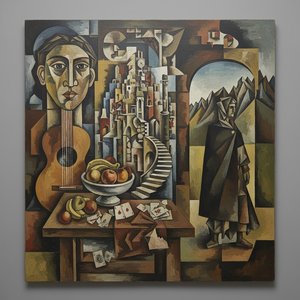
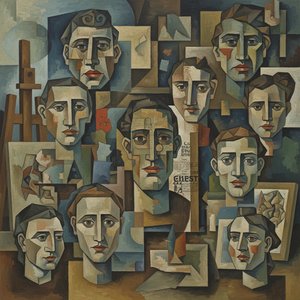
Felix Nylund, who briefly taught at the Turku Art School. A pivotal moment in Aaltonen’s artistic development was his journey to Italy in 1923, where he encountered Cubist and Futurist art. These movements profoundly impacted his painting style, introducing new forms and perspectives into his work. While initially trained as a painter, Aaltonen found his true calling in sculpture, mastering the treatment of marble and bronze.
Nationalism and War Memorials
As Finland gained independence and navigated the turmoil of World War I, Aaltonen’s artistic focus shifted towards creating war memorials. His work quickly became associated with Finnish nationalism, establishing him as a cultural icon – “the exemplar Finn.” In 1927, he held an exhibition in Stockholm, further solidifying his reputation.
Major Achievements and Notable Works
Aaltonen’s sculpture is characterized by monumental figures and busts portraying prominent Finnish citizens. Some of his most celebrated works include:
- The 1925 sculpture of Paavo Nurmi, a cast of which stands outside the Helsinki Stadium.
- A bust of composer Jean Sibelius (1928).
He primarily worked with bronze, though he also utilized stone and glass in his creations. Aaltonen was a pioneer of direct carving in early 20th-century Finland. His series of gilded plaster sculptures completed in 1932 for the Finnish Parliament building were later cast in bronze after his death.
Architectural Collaboration and Later Life
When designing the new House of Parliament for Finland, architect
Johan Sigfrid Sirén desired to commission sculptures directly from Aaltonen. However, an open competition was held, which Aaltonen ultimately won. His personal life included four marriages: to singer Aino Pietikäinen (1920), actor Elsa Rantalainen (1931), gallerist Elvi Hernell (1942), and medical doctor Marie Maasik (1961). His son,
Matti Aaltonen, followed in his footsteps as an architect, designing the Wäinö Aaltonen Museum in Turku.
Historical Significance
Wäinö Aaltonen remains one of Finland’s leading sculptors, celebrated for his powerful and evocative works that embody Finnish national identity. His ability to blend naturalistic representation with Cubist influences created a unique artistic style that continues to resonate today. He left behind a lasting legacy through his public sculptures and contributions to Finnish art history.