1


Atnaujinta lapkritis 2026 · pagal mūsų populiarumumo koeficientą (paieškos, lankytojai ir užsakymai kiekvienam kūriniui) · 1 Simon Ruys darbai mūsų kataloge
Trumpai tariant
Iš visų paliktų originalų kūrinių Simon Ruys garsiausias yra Portrait of Johannes Camprich van Cronefelt, Knight of the Order of St. Maurice and St. Lazarus, Imperial German Ambassador to The Hague (1683), esantis Rijksmuseum kolekcijoje, Amsterdamas. Mūsų kataloge yra 1 darbų autoriaus Simon Ruys; galerija išsaugojo 1 labiausiai pasaulyje žyminiausių kūrinių – kiekvienas jų pateikiamas su datos, muziejaus ir istorijos aprašymu.
1 muziejai, kuriuose saugoma daugiausia šioje puslapyje esamų paveikslų.
| Muzejaus | Miestas | Simon Ruys darbai | Šiojo sąrašo paveikslai |
|---|---|---|---|
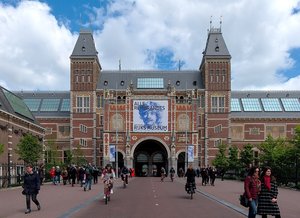 Rijksmuseum |
Amsterdamas | 1 | Portrait of Johannes Camprich van Cronefelt, Knight of the Order of St. Maurice and St. Lazarus, Imperial German Ambassador to The Hague |
1683 yra kiekvieno aprašyto datomis Simon Ruys kūrinio šioje rinktinėje: štai jie, išvardyti pagal šlovę.
Pasirinkite metus, kad pamatytumėte originalus darbus.
Portrait of Johannes Camprich van Cronefelt, Knight of the Order of St. Maurice and St. Lazarus, Imperial German Ambassador to The Hague (1683)
Mūsų kataloge yra 1 darbų autoriaus Simon Ruys.
Daugiausia – Rijksmuseum (Amsterdamas). Viršuje esančiame muziejų sąraše yra visi jie.
Born in The Hague, Netherlands, Simon Ruys lived and worked during a period of significant diplomatic activity in the Dutch Republic. His presence in the city coincided with the height of his creative output, which spanned from 1670 until his death in 1690. He was a painter who learned his craft under the guidance of Jacques Vaillant, a connection that likely helped shape his approach to portraiture and the depiction of formal figures.
His work reflects the social hierarchies of the late seventeenth century. He focused on the likenesses of individuals who held weight in the political and social circles of the time. Through his brush, the quiet dignity of his subjects was captured, often placing them within a context of status and duty.
Ruys found his niche in capturing the likenesses of the influential. His technique involved working with oil paint on panel, a method that allowed for a precise rendering of texture and light. One of his most significant surviving works is a portrait of Johannes Camprich van Cronefelt, a man of high standing who served as the Imperial German Ambassador to The Hague and was a Knight of the Order of St. Maurice and St. Lazarus. This piece, held in the Rijksmuseum in Amsterdam, provides a window into the formal presentation of the era.
The details of his subjects' lives are often embedded in the very way they are painted. His compositions frequently included:
While the name Simon Ruys may not be a household word today, his contributions to the Dutch portrait tradition remain preserved in major collections. His ability to translate the presence of a diplomat or a nobleman onto a wooden panel ensured that his subjects would be remembered by those who studied their likenesses. His work survives not only in the original oil paintings but also through the engravings of his compositions, which helped spread the images of his subjects far beyond the walls of the Hague.