


1


Atnaujinta lapkritis 2026 · pagal mūsų populiarumumo koeficientą (paieškos, lankytojai ir užsakymai kiekvienam kūriniui) · 59 Robert Gwathmey darbai mūsų kataloge
Trumpai tariant
The Farmer Wanted a Boy (1942) yra viena矚 most žiūrėlių pritraukiančių Robert Gwathmey tapierių; originalas saugomas Art Institute of Chicago, Čikagos. Po to akmuo patenka į Portrait of a Farmer's Wife (1951) ir Parade (1951). Iš 59 Robert Gwathmey darbų mūsų kataloge šios 56 yra garsiausios – kiekvienas yra unikali originali dai̇lia, pateikta su jos metais, muziejumi ir priežastimi, kodėl ji išlieka per amžius.


The Parade painting by Robert Gwathmey is a remarkable piece of art that showcases the artist's unique style and technique. Created in 1951, this watercolour painting measures 53 x 36 cm and is currently housed at the Smithsonian American Art Museum in the United States. Artist Background Robert Gwathmey was an American artist known for his bold and expressive works of art. Born in 1903, he was a prominent figure…


 Untitled (853)
12
 Untitled (574)
13
 Untitled (791)
14
 Untitled (219)
15
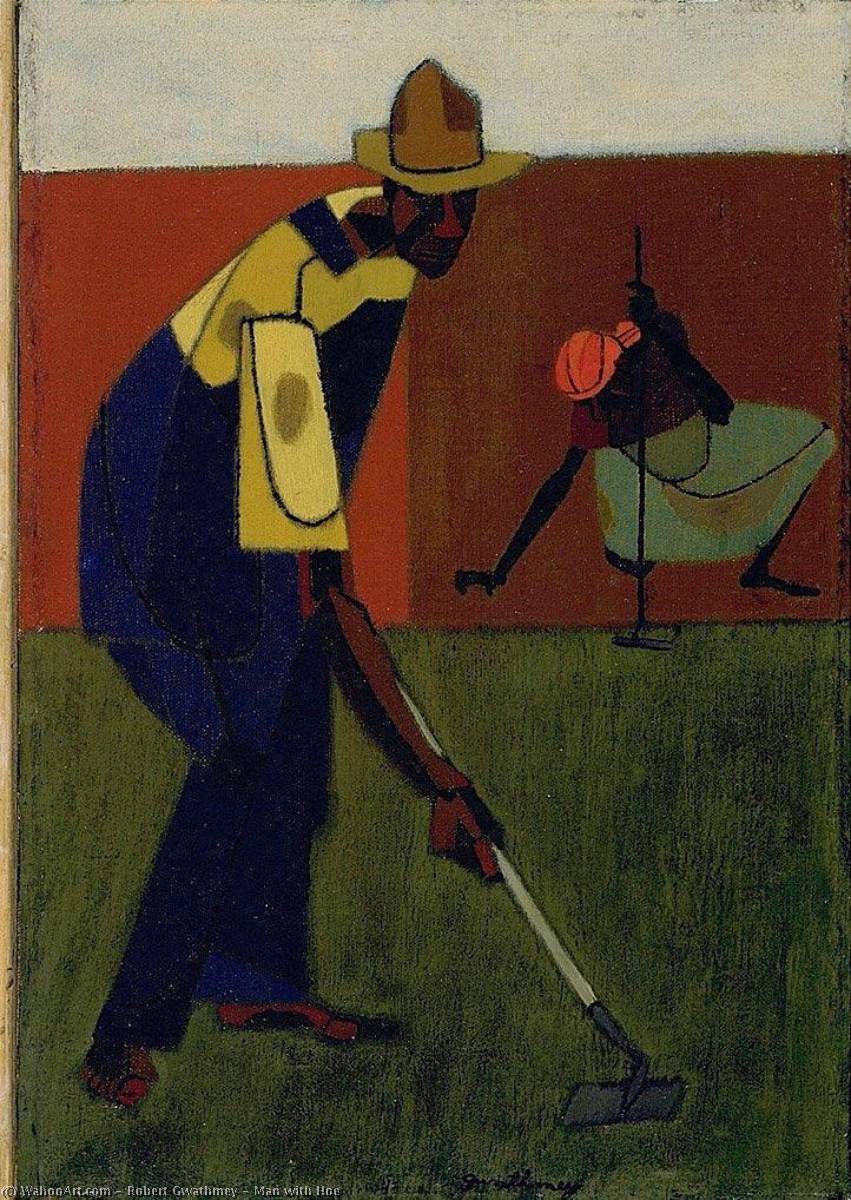
 Man with Hoe1944
16
 Singing and Mending1944
17
 Front Porch1947
18
 Poll Tax Country1945
19
 Sharecroppers and Blackberry Pickers1950
20
 Carrying the Sack1950
21
 Asleep at the Table1945 · Ogden Museum of Southern Art
22
 Untitled (813)
23
 Untitled (585)
24
 Untitled (196)
25
 Untitled (106)
26
 Untitled (721)
27
 Untitled (226)
28
 Untitled (193)
29
 Untitled (805)
30
 Untitled (561)
31
 Untitled (348)
32
 Untitled (491)
33
 Untitled (360)
34
 Untitled (416)
35
 Untitled (558)
36
 Untitled (285)
37
 Untitled (857)
38
 Untitled (207)
39
 Untitled (788)
40
 Untitled (724)
41
 Untitled (668)
42
 Untitled (655)
43
 Untitled (626)
44
 Untitled (735)
45
 Untitled (909)
46
 Untitled (968)
47
 Untitled (878)
48
 Untitled (106)
49
 Untitled (958)
50
 Untitled (857)
51
 Untitled (430)
52
 Untitled (750)
53
 Untitled (183)
54
 Untitled (229)
55
 Untitled (565)
56
 Going Home
2 muziejai, kuriuose saugoma daugiausia šioje pusėje esamų paveikslų.
| Muzejaus | Miestas | Robert Gwathmey darbai | Šiojo sąrašo paveikslai |
|---|---|---|---|
 Art Institute of Chicago |
Čikagos | 1 | The Farmer Wanted a Boy |
 Ogden Museum of Southern Art |
Naujoji Orleana | 1 | Asleep at the Table |
Čia pateiktos Robert Gwathmey originalios darbai, apimantys maždaug dešimt metų laikotarpį, nuo 1942 iki 1951: akmuo seka juos metus po metų.
Pasirinkite metus, kad pamatytumėte originalus darbus.


The Farmer Wanted a Boy (1942), Art Institute of Chicago, Čikagos. Toliau seka Portrait of a Farmer's Wife (1951) ir Parade (1951).
39 metų amžiaus: The Farmer Wanted a Boy sukurta 1942 m. Nr. Robert Gwathmey gimė 1903.
The Farmer Wanted a Boy, Portrait of a Farmer's Wife, Parade, Untitled (504), Untitled (978), Untitled (811), Untitled (540), Untitled (830), Untitled (598) ir Untitled (389). Viršuje esančioje reitingo sąraše nurodyta kiekvieno kūrinio metis ir muziejus.
Mūsų kataloge yra 59 Robert Gwathmey darbų, skirtų laikotarpiui nuo 1942 iki 1951.
Daugiausia – Art Institute of Chicago (Čikagos) ir Ogden Museum of Southern Art (Naujoji Orleana). Viršuje esančiame muziejų sąraše yra visi jie.
1944 laikotarpiu: 2 iš 56 šioje pusėje esančių darbų buvo sukurtos tada, iš jų Man with Hoe.
Šioje pusėje seniausias darbas yra The Farmer Wanted a Boy (1942), o naujausias – Portrait of a Farmer's Wife (1951).
Social realism, vadovaujantis šios puslapio originalais kūriniais.