Pjeras Soulage portretas

27 garsiausių Pjeras Soulage paveikių – kiekvienas yra unikalus

Atnaujinta lapkritis 2026 · pagal mūsų populiarumumo koeficientą (paieškos, lankytojai ir užsakymai kiekvienam kūriniui) · 28 Pjeras Soulage darbai mūsų kataloge

Trumpai tariant

Kompozicija yra viena iš labiausiai žaičiamosių Pjeras Soulage tapierių; originalas priklauso Galleria Civica di Arte Moderna e Contemporanea Torino, Turinas. Po to akmuo patenka į Peinture 222 x 314 cm, 24 février 2008 (2008) ir Peinture 81 x 60 cm, 16 octobre 1956. Iš 28 Pjeras Soulage darbų mūsų kataloge šios 27 yra garsiausios – kiekvienas yra unikali originali dai̇lia, pateikta su jos metais, muziejumi ir priežastimi, kodėl ji išlieka per amžius.

1919 – 2022, Rodez Tachisme Daugiausia darbų: Galleria Civica di Arte Moderna e Contemporanea Torino

10 geriausių Pjeras Soulage paveikslų: galerijos akimais

1
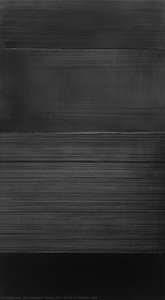
Kompozicija aut. Pjeras Soulage

Kompozicija

Kompozicija – Pierre Soulagesas: Juodas kaip Švietimas Pierre Soulagesas (1919–2022) buvo Prancūzijos abstraktojo pintoristo, graviruotojo ir skulptoro gyvenimas. Jis buvo įvardintas „šviečiausiu gyvų artistas“ François Hollande'ui 2014 metais, tačiau Soulagesas visą savo gyvenimą atsidėjo išnagrinėti juodą kaip spalvą – ne kaip šviesos neturėjimą, bet kaip švietimo prisiekimą tekstūroje. Šis kūrinys yra įvykis žymiai mažesniuose galerijų eksponatuose ir yra įrašytas į MoMA kolekciją. Pirmasis gyvenimas ir mokymas Jis gimė Rodeze, Aveyron…

4
Composition (1950) aut. Pjeras Soulage

Composition

1950 · Oil On Canvas · Statens Museum For Kunst, Kopenhaga

Composition is an abstract work by the French artist Pierre Soulages. Created about 1950, this piece belongs to the tradition of Contemporary Abstract Expressionism. It focuses on the formal qualities of abstraction rather than representational subject matter.

žinomi Pjeras Soulage paveikslai, nuo 11 iki 27 numerio

Temos, kurios domino Pjeras Soulage

Ketverios temos, dažniausiai pasikrausto originaluose, kiekvienos su savo puikiausiu pavyzdžiu.

Muziejai, kuriuose saugomi Pjeras Soulage originalūs darbai

4 muziejai, kuriuose saugoma daugiausia šioje pusėje esamų paveikslų.

Muzejaus Miestas Pjeras Soulage darbai Šiojo sąrašo paveikslai
Galleria Civica di Arte Moderna e Contemporanea Torino, TurinasGalleria Civica di Arte Moderna e Contemporanea Torino Turinas 1 Kompozicija
Statens Museum For Kunst, KopenhagaStatens Museum For Kunst Kopenhaga 1 Composition
Tate Modern, LondrasTate Modern Londras 1 Etching No. 2
Sezon Modern Art Museum, KaruizavaSezon Modern Art Museum Karuizava 1 Painting January 7,1983

Pjeras Soulage per dešimtmečius: vieniškas originalas kiekvienam

Darbai pagal dešimtmečius

Pasirinkite dešimtmetį, kad pamatytėte jį apibrėžusį originalą.

Pjeras Soulage tapų klausimai galerijai

Koks yra garsiausias Pjeras Soulage kūrinys?Atsakymas

Kompozicija, Galleria Civica di Arte Moderna e Contemporanea Torino, Turinas. Toliau seka Peinture 222 x 314 cm, 24 février 2008 (2008) ir Peinture 81 x 60 cm, 16 octobre 1956.

Kurios Pjeras Soulage dešimt paveikslų yra garsiausi?Atsakymas

Kompozicija, Peinture 222 x 314 cm, 24 février 2008, Peinture 81 x 60 cm, 16 octobre 1956, Composition, Goudron sur verre 45.5 x 76.5 cm, 1948, Etching No. 2, Peinture 195 x 130 cm, 30 octobre 1957, Peinture 195 x 130 cm, 1955, Peinture 130 x 89 cm, 6 mars 1955 ir Lithographie No. 5. Viršuje esančioje reitingo sąraše nurodyta kiekvieno kūrinio metis ir muziejus.

Kiek žinoma Pjeras Soulage darbų?Atsakymas

Mūsų kataloge yra 28 Pjeras Soulage darbų, skirtų laikotarpiui nuo 1948 iki 2010.

Kur galima pamatyti garsiausių Pjeras Soulage originalų?Atsakymas

Daugiausia – Galleria Civica di Arte Moderna e Contemporanea Torino (Turinas), Statens Museum For Kunst (Kopenhaga) ir Tate Modern (Londras). Viršuje esančiame muziejų sąraše yra visi jie.

Kuriuo laikotarpiu Pjeras Soulage sukūrė savo žymiausias paveikslus?Atsakymas

1950s laikotarpiu: 7 iš 27 šioje pusėje esančių darbų buvo sukurtos tada, iš jų Composition.

Kuris iš garsių Pjeras Soulage paveikslų yra pirmasis, o kuris – paskutinis?Atsakymas

Šioje pusėje seniausias darbas yra Goudron sur verre 45.5 x 76.5 cm, 1948 (1948), o naujausias – Peinture 18 Mars 2010 (2010).

Kokia temos Pjeras Soulage mėgavosi?Atsakymas

Abstract painting (3), Soulages style (2) ir Geometric forms (2) iš 27 šioje pusėje esamų darbų.

Kelią meno kryžkelę priklauso Pjeras Soulage kūryba?Atsakymas

Tachisme ir Minimalism, vadovaujantis šios puslapio originalais kūriniais.

Pjeras Soulage: meno kūrinys – autoportretas

Pierre Soulages: A Life in Black and Light

Pierre Soulages (1919-2022) was a French abstract painter, engraver, and sculptor. Celebrated as “the world’s greatest living artist” by François Hollande in 2014, Soulages dedicated his life to exploring the depths of black – not as an absence of color, but as a presence brimming with light and texture.

Early Life and Education

Born in Rodez, Aveyron, France, in 1919, Soulages’ artistic journey began with explorations of museums in Paris before World War II. He sought his vocation amidst the masterpieces of the past. Following military service during the war, he established a studio in Paris and debuted his work at the Salon des Indépendants in 1947. He also briefly worked as a stage set designer.

Artistic Development & The ‘Outrenoir’ Style

Soulages' artistic development was marked by a relentless pursuit of expressing light through the medium of black. He wasn’t interested in black for its somber connotations, but rather for its capacity to reflect and absorb light, creating an interplay of shadow and illumination. This led him to develop his signature style, which he termed ‘Outrenoir’ – literally “beyond black.”

He explained that Outrenoir isn't simply about the color black; it represents a different realm altogether, akin to saying "beyond the Channel" for England or "beyond the Rhine" for Germany. It signifies a space beyond conventional understanding of the color itself.

Technique and Materials

Soulages’ technique involved applying paint in thick layers, often manipulating it with tools like spoons, rakes, and rubber implements to create textured surfaces. These textures were crucial for capturing and reflecting light. He employed scraping, digging, and etching movements to achieve smooth or rough effects, disrupting the uniformity of the black surface.

In his later work, he began experimenting with varying pigment densities – mixing matte and glossy blacks – further enhancing the interplay of light and shadow. He often preferred suspending his paintings like walls in the middle of a room, believing they should “look inside of us” rather than acting as windows to another world.

Major Achievements & Recognition

  • 1979: Elected as a foreign honorary member of the American Academy of Arts and Letters.
  • 1987-1994: Created 104 stained glass windows for the Romanesque Abbey Church Sainte-Foy in Conques, Aveyron – a monumental achievement.
  • 2001: First living artist invited to exhibit at the State Hermitage Museum of St. Petersburg and the Tretyakov Gallery of Moscow.
  • 2007: Musée Fabre in Montpellier dedicated an entire room to his work, showcasing a significant donation from the artist.
  • 2009-2010: A major retrospective held at the Centre National d'Art et de Culture Georges Pompidou in Paris.
  • 2014: Musée Soulages opened in Rodez, France – a museum dedicated to permanently displaying his works and hosting contemporary exhibitions. He donated 500 pieces to the museum.

Influences & Legacy

Soulages’ fascination with black stemmed from an early interest in prehistoric art and a desire for purity and primal expression. He saw parallels between his work and the cave paintings of our ancestors, created using charcoal on dark rock surfaces.

His influence extends to numerous contemporary artists who explore abstraction, texture, and the expressive potential of limited color palettes. He left behind a legacy that challenges conventional perceptions of color and light, demonstrating that even in darkness, profound beauty and luminosity can be found. He is considered a pivotal figure in Tachism, an informal style of abstract expressionism.

Historical Significance

Pierre Soulages’ work represents a significant contribution to post-war abstract art. His unwavering dedication to exploring the nuances of black and light established him as a unique and influential voice in the artistic landscape, captivating audiences worldwide for over seven decades.