The Parisian Genesis of a Rococo Visionary
In the heart of Paris, amidst the burgeoning artistic energy of the late seventeenth century, Pierre Denis Martin began a journey that would eventually define the visual splendor of the French Rococo. Known to history as Martin le Jeune, his early years were shaped by the rigorous classical foundations provided by his mentor, Nicolas Frémiet. This training in architectural precision and classical principles served as the bedrock upon which he would later layer the delicate, swirling ornamentation of a new era. As the reign of Louis XV dawned, Martin moved beyond the rigid structures of the past, embracing a style that favored pastel hues, playful elegance, and an almost ethereal lightness.A Mastery of Contrast and Grandeur
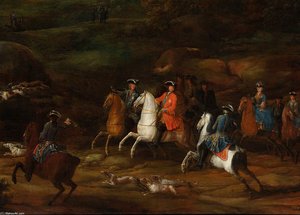
While many of his contemporaries focused solely on the whimsical, Martin possessed a rare versatility that allowed him to navigate between the delicate fêtes galantes and the visceral intensity of historical combat. His brushwork was deeply informed by a profound understanding of light; he skillfully adapted the dramatic chiaroscuro of Caravaggio to illuminate his scenes with a subtle, atmospheric interplay of shadow and brilliance. This ability to manipulate light allowed him to breathe life into diverse subject matters:- Historical Chronicles: Capturing the movement and tension of epic battles and royal hunts.
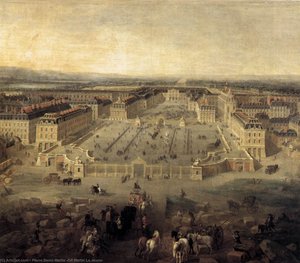
- Architectural Vistas: Rendering the majestic perspectives of royal residences like the Château de Versailles and Marly.
- Pastoral Idylls: Creating dreamlike landscapes where mythological figures roam through sun-drenched groves.
Through the influence of masters such as Adam François van der Meulen and Joseph Parrocel, Martin infused his work with a sense of monumental scale, ensuring that even his most decorative pieces retained a core of structural dignity.