Moritz Nähr portretas

12 garsiausių Moritz Nähr paveikių – kiekvienas yra unikalus

Atnaujinta lapkritis 2026 · pagal mūsų populiarumumo koeficientą (paieškos, lankytojai ir užsakymai kiekvienam kūriniui) · 12 Moritz Nähr darbai mūsų kataloge

Trumpai tariant

The left side hall with the Beethoven frieze by Gustav Klimt during the 14th exhibition of the Vienna Secession (1902) yra viena矚 most žiūrėlių pritraukiančių Moritz Nähr tapierių; originalas saugomas Austrian National Library, Viena. Po to akmuo patenka į Gustav Klimt (1905) ir Gustav Klimt on Lake Attersee (1904). Iš 12 Moritz Nähr darbų mūsų kataloge šios 12 yra garsiausios – kiekvienas yra unikali originali dai̇lia, pateikta su jos metais, muziejumi ir priežastimi, kodėl ji išlieka per amžius.

1859 – 1945, Viena Vienna secession Daugiausia darbų: Wien Museum

10 geriausių Moritz Nähr paveikslų: galerijos akimais

1
The left side hall with the Beethoven frieze by Gustav Klimt during the 14th exhibition of the Vienna Secession (1902) aut. Moritz Nähr

The left side hall with the Beethoven frieze by Gustav Klimt during the 14th exhibition of the Vienna Secession

1902 · Giclée Print · Austrian National Library, Viena

Moritz Nähr’s photograph offers an extraordinary glimpse into Gustav Klimt’s monumental painting, “The Left Side Hall with the Beethoven Frieze,” a key work from the 14th exhibition of the Vienna Secession in 1902. More than just a documentation of a single artwork, this image is a frozen moment within a pivotal chapter of Viennese art history – a time when artistic rebellion and intellectual exploration converged to reshape European culture.…

2
Gustav Klimt (1905) aut. Moritz Nähr

Gustav Klimt

1905 · Gelatin Silver Print

This photographic reproduction captures a moment from a painting by Gustav Klimt. The lens belongs to Moritz Nähr, an Austrian photographer who documented the shifting spirit of Vienna. His camera turned toward the intimate, translating the painter's vision into a monochrome study of light and shadow. The image is dated about 1905.

3
Gustav Klimt on Lake Attersee (1904) aut. Moritz Nähr

Gustav Klimt on Lake Attersee

1904 · Black and White Photography

This black and white photograph presents a profile view of Gustav Klimt. The subject is positioned in the center of the frame, facing toward the left. He wears a dark suit with a visible fabric weave that catches the light. The lighting is soft and diffused, casting subtle shadows across his facial features and the structure of his clothing. Behind him, the background consists of foliage and trees, rendered in…

4
Gustav Mahler (1907) aut. Moritz Nähr

Gustav Mahler

1907 · Black and White Photography

The photograph presents a medium shot of Gustav Mahler, captured in 1907 by Moritz Nähr. He is positioned from the waist up, standing against an architectural backdrop characterized by ornate molding and a fireplace mantelpiece. Mahler's posture is upright, with his hands placed on his hips, and his gaze is directed toward his right side. The lighting is diffused, creating an even tone across his facial features without producing harsh…

6
Gustav Klimt, holding a cat in his arm (1911) aut. Moritz Nähr

Gustav Klimt, holding a cat in his arm

1911 · Black and White Photography · Wien Museum, Viena

This black and white photograph, captured in 1911, presents a centered composition of an elderly man holding a small animal. The subject is positioned against a building facade that provides a structured, rectangular backdrop to the organic forms of the figure. Soft, diffused lighting defines the contours of the man's face and the heavy folds of his robe, creating subtle shadows across the texture of his skin. The image possesses…

7
Gustav Klimt at the age of 55 in front of his studio at Feldmühlgasse 11 in Vienna (1917) aut. Moritz Nähr

Gustav Klimt at the age of 55 in front of his studio at Feldmühlgasse 11 in Vienna

1917 · Black and White Photography

The photograph, captured in 1917 by Moritz Nähr, presents a formal portrait of Gustav Klimt. He is positioned in the center of the frame, facing the camera directly. The subject is dressed in a dark, three-piece suit featuring thin pinstripes. His posture is relaxed; he leans against a wall, with his right hand resting near his jacket. The lighting is natural and diffused, casting soft shadows across his facial features,…

8
Ludwig Wittgenstein (1929) aut. Moritz Nähr

Ludwig Wittgenstein

1929 · Black and White Photography

This black and white portrait photograph by Moritz Nähr features the Austro-British philosopher Ludwig Wittgenstein. Captured in 1929, the image presents a frontal view of the subject. The composition centers on the man's face, which occupies a significant portion of the frame. The subject maintains a serious expression directed toward the lens.

žinomi Moritz Nähr paveikslai, nuo 11 iki 12 numerio

Temos, kurios domino Moritz Nähr

Ketverios temos, dažniausiai pasikrausto originaluose, kiekvienos su savo puikiausiu pavyzdžiu.

Muziejai, kuriuose saugomi Moritz Nähr originalūs darbai

3 muziejai, kuriuose saugoma daugiausia šioje pusėje esamų paveikslų.

Muzejaus Miestas Moritz Nähr darbai Šiojo sąrašo paveikslai
Wien Museum, VienaWien Museum Viena 3 Gustav Klimt, holding a cat in his arm, Gustav Klimt in the garden of his\nstudio, Portrait of Gustav Klimt in profile\nfacing right
Austrian National Library, VienaAustrian National Library Viena 1 The left side hall with the Beethoven frieze by Gustav Klimt during the 14th exhibition of the Vienna Secession
Smithsonian American Art Museum, VašingtonasSmithsonian American Art Museum Vašingtonas 1 Gustav Klimt with a cat, photographed by Moriz Nähr in the garden of his studio at Josefstädter Straße 21\n\nFront

Moritz Nähr per dešimtmečius: vieniškas originalas kiekvienam

Darbai pagal dešimtmečius

Pasirinkite dešimtmetį, kad pamatytėte jį apibrėžusį originalą.

Moritz Nähr tapų klausimai galerijai

Koks yra garsiausias Moritz Nähr kūrinys?Atsakymas

The left side hall with the Beethoven frieze by Gustav Klimt during the 14th exhibition of the Vienna Secession (1902), Austrian National Library, Viena. Toliau seka Gustav Klimt (1905) ir Gustav Klimt on Lake Attersee (1904).

Kuriuo amžiaus atσταση Moritz Nähr sukūrė The left side hall with the Beethoven frieze by Gustav Klimt during the 14th exhibition of the Vienna Secession?Atsakymas

43 metų amžiaus: The left side hall with the Beethoven frieze by Gustav Klimt during the 14th exhibition of the Vienna Secession sukurta 1902 m. Nr. Moritz Nähr gimė 1859.

Kurios Moritz Nähr dešimt paveikslų yra garsiausi?Atsakymas

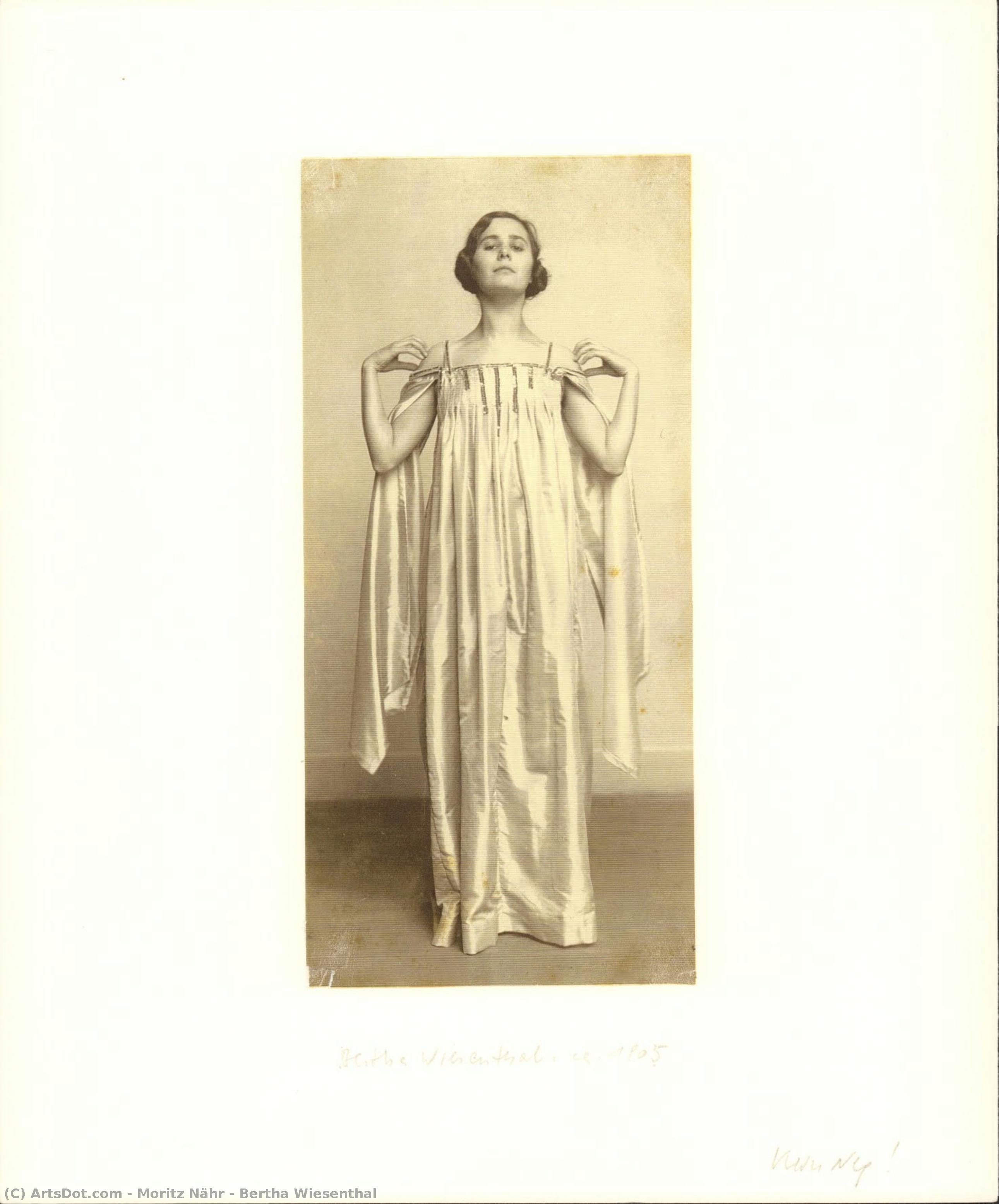
The left side hall with the Beethoven frieze by Gustav Klimt during the 14th exhibition of the Vienna Secession, Gustav Klimt, Gustav Klimt on Lake Attersee, Gustav Mahler, Gustav Klimt with a cat in the garden of his studio at Josefstädter Straße 21, Gustav Klimt, holding a cat in his arm, Gustav Klimt at the age of 55 in front of his studio at Feldmühlgasse 11 in Vienna, Ludwig Wittgenstein, Bertha Wiesenthal ir Gustav Klimt with a cat, photographed by Moriz Nähr in the garden of his studio at Josefstädter Straße 21\n\nFront. Viršuje esančioje reitingo sąraše nurodyta kiekvieno kūrinio metis ir muziejus.

Kiek žinoma Moritz Nähr darbų?Atsakymas

Mūsų kataloge yra 12 Moritz Nähr darbų, skirtų laikotarpiui nuo 1902 iki 1929.

Kur galima pamatyti garsiausių Moritz Nähr originalų?Atsakymas

Daugiausia – Wien Museum (Viena), Austrian National Library (Viena) ir Smithsonian American Art Museum (Vašingtonas). Viršuje esančiame muziejų sąraše yra visi jie.

Kuriuo laikotarpiu Moritz Nähr sukūrė savo žymiausias paveikslus?Atsakymas

1910s laikotarpiu: 6 iš 12 šioje pusėje esančių darbų buvo sukurtos tada, iš jų Gustav Klimt with a cat in the garden of his studio at Josefstädter Straße 21.

Kuris iš garsių Moritz Nähr paveikslų yra pirmasis, o kuris – paskutinis?Atsakymas

Šioje pusėje seniausias darbas yra The left side hall with the Beethoven frieze by Gustav Klimt during the 14th exhibition of the Vienna Secession (1902), o naujausias – Ludwig Wittgenstein (1929).

Kokia temos Moritz Nähr mėgavosi?Atsakymas

Man (3), Gustav klimt (2) ir Black and white (2) iš 12 šioje pusėje esamų darbų.

Kuriomis medžiagomis Moritz Nähr tapė dažniausiai?Atsakymas

Black and White Photography, iš 12 šios puslapio darbų – 6.

Kelią meno kryžkelę priklauso Moritz Nähr kūryba?Atsakymas

Vienna secession, vadovaujantis šios puslapio originalais kūriniais.

Kurius Moritz Nähr originalius galėčiau pamatyti Wien Museum?Atsakymas

Gustav Klimt, holding a cat in his arm, Gustav Klimt in the garden of his\nstudio ir Portrait of Gustav Klimt in profile\nfacing right: Wien Museum, Viena kolekcijoje yra 3 šioje pusėje esančių darbų.

Moritz Nähr: meno kūrinys – autoportretas

The Lens of a Golden Era: The Life and Legacy of Moritz Nähr

In the twilight of the nineteenth century, as the rigid structures of academic tradition began to fracture under the weight of modernity, a new way of seeing emerged from the heart of Vienna. At the center of this visual revolution stood Moritz Nähr, an artist whose camera did not merely record faces, but captured the very soul of the Vienna Secession. Born in 1859 to a Viennese furniture dealer, Nähr possessed a unique duality of perspective—a practical understanding of form and aesthetic grace inherited from his father, Johann Georg Nähr, blended with an intimate connection to the bohemian avant-garde. His life was inextricably linked to the cultural ferment of his era, placing him in the inner sanctum of the most influential minds of the twentieth century.

Nähr’s artistic journey was shaped by the shared corridors of his youth, specifically his time at the Bernhard Speneder Private School. It was here that he forged a lifelong bond with Gustav Klimt, a friendship that would evolve into one of the most significant collaborations in photographic history. As Klimt led the charge against artistic stagnation through the Secession movement, Nähr became its unofficial chronicler. His lens provided a vital, candid counterpoint to the grand, often gilded canvases of the era, offering instead a stripped-back, monochrome intimacy that humanized the icons of modernism.

Capturing the Spirit of the Secession

The work of Moritz Nähr transcends the boundaries of traditional portraiture, acting as a profound historical document of an intellectual epoch. Through his mastery of black and white photography, he captured the luminaries of Vienna—from the musical genius of Gustav Mahler to the philosophical depth of Ludwig Wittgenstein. His ability to manipulate light and shadow allowed him to move beyond mere likeness, reaching toward a psychological truth that mirrored the experimental spirit of his contemporaries. In his hands, the camera became an instrument of the avant-garde, documenting not just people, but the shifting zeitgeist of a city in transition.

Some of his most evocative works serve as windows into the private moments of greatness:

  • The Beethoven Frieze Documentation: His breathtaking photographic record of the 14th exhibition of the Vienna Secession, specifically the left side hall featuring Klimt’s monumental frieze, remains an essential archive of architectural and artistic triumph.
  • Intimate Portraits of Klimt: Whether capturing the painter in a moment of quiet dignity on the shores of Lake Attersee or the tender, unexpected vulnerability of Gustav Klimt holding a cat, Nähr stripped away the public persona to reveal the man beneath the myth.

A Lasting Visual Heritage

The historical significance of Moritz Nähr lies in his role as the bridge between the tangible and the ephemeral. While the paintings of the Secession movement often sought to immortalize subjects through gold leaf and intricate patterns, Nähr’s photography captured the fleeting, the raw, and the authentic. He documented the very spaces where art was being redefined, ensuring that the atmosphere of the Secessionist exhibitions would never be lost to time. His oeuvre serves as a vital companion to the era's fine arts, providing the necessary context for understanding the faces and environments that birthed modernism.

Though he passed away in 1945, marking the end of an era much like the one he documented, Nähr’s legacy remains undiminished. He stands as a pivotal figure whose work allows us to revisit a Vienna defined by intense creativity and intellectual bravery. Through his meticulous approach and keen eye, the shadows of the past are brought into sharp, enduring focus, reminding us that the true essence of art often resides in the quiet, unposed moments captured between the shutter clicks.