


1


Atnaujinta lapkritis 2026 · pagal mūsų populiarumumo koeficientą (paieškos, lankytojai ir užsakymai kiekvienam kūriniui) · 8 Maja Vukoje darbai mūsų kataloge
Trumpai tariant
Galerijos akimais, garsiausias Maja Vukoje paveikslas yra Untitled (2005). Untitled (2006) ir Roland Koch portrayed by Maja Vukoje (2008) užbaia trio, kurį atpažįsta kiekvienas ž)/\ Iš 8 Maja Vukoje darbų mūsų kataloge, galerija žemiau pristato 8 garsiausius – kiekvienas yra originalus, su nurodytu metais, muziejumi bei unikaliu aprašymu.


“Roland Koch portrayed by Maja Vukoje,” created in 2008 by Maja Vukoje, is a powerfully arresting artwork that transcends simple portraiture to become a visceral exploration of human vulnerability against the backdrop of overwhelming natural forces. The painting immediately commands attention with its dramatic composition – a nude male figure dramatically posed amidst jagged volcanic rock formations and swirling, incandescent orange hues. This isn’t merely a depiction; it's an immersion…


Maja Vukoje – austriška artista, kuri išgarsėjo savo įrašais apie šiuolaikinę kultūrą ir meno istoriją. Jos kūriniai yra žymūs savo simbolišku estetika ir emocinį poveikį sukelianti maniera. Štai kaip lietuviškai aprašoma jos darbą „Maria Happel Portrayed“:
1 muziejai, kuriuose yra daugiausia šioje puslapyje esamų paveikslų.
| Muzejaus | Miestas | Maja Vukoje darbai | Šiojo sąrašo paveikslai |
|---|---|---|---|
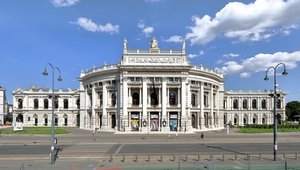 Burgtheater |
Viena | 2 | Roland Koch portrayed by Maja Vukoje, Maria Happel portretuojama Maja Vukoje |
Pasirinkite dešimtmetį, kad pamatytėte jį apibrėžusį originalą.
Untitled (2005). Toliausiai eina Untitled (2006) ir Roland Koch portrayed by Maja Vukoje (2008).
36 metų amžiaus: Untitled sukurta 2005 m. Nr. Maja Vukoje gimė 1969.
Mūsų kataloge yra 8 Maja Vukoje darbų, skirtų laikotarpiui nuo 1998 iki 2013.
Daugiausia – Burgtheater (Viena). Viršuje esančiame muziejų sąraše yra visi jie.
2000s laikotarpiu: 6 iš 8 šioje pusėje esančių darbų buvo sukurtos tada, iš jų Untitled.
Šioje pusėje seniausias darbas yra Untitled (1998), o naujausias – Potato (2013).
Roland Koch portrayed by Maja Vukoje ir Maria Happel portretuojama Maja Vukoje: Burgtheater, Viena kolekcijoje yra 2 šioje pusėje esančių darbų.
Born in Düsseldorf, Germany, Maja Vukoje has emerged as a profound voice in contemporary painting, crafting a visual language that exists at the intersection of cultural hybridity and material experimentation. Her artistic journey took shape at the University of Applied Arts in Vienna, where she studied from 1988 to 1994 under the guidance of masters such as Maria Lassnig and Christian Ludwig Attersee. This rigorous academic foundation allowed her to develop a practice that does not merely depict the world but actively probes the very boundaries of the medium itself. Vukoje’s work is characterized by a mesmerizing ability to blur the lines between painting, sculpture, and performance, often utilizing materials that challenge the traditional definition of fine art.
The essence of Vukoje’s technique lies in her radical approach to materiality. She does not simply apply pigment to a surface; she engages in a transformative process where the medium becomes part of the narrative. Her canvases are often composed of coarsely woven, unprimed burlap, providing a raw, tactile stage for her explorations. In a striking reversal of the traditional additive process, she has been known to use bleach to remove pigment, effectively painting with absence and light. This experimental spirit extends to her choice of substances, where she incorporates elements such as sugar and coffee into her works. These choices are never merely decorative; they serve as symbols of global commodities and colonial traces, bringing the history of trade and cultural exchange directly onto the physical plane of the artwork.
Vukoje’s thematic preoccupations revolve around the concepts of transculturality and the complexities of our globalized existence. Her paintings act as intellectual puzzles, where tropical fruits and colonial commodities are juxtaposed against the digital symbols of modern life and the surveillance of the human body. Through this lens, she explores how different temporal and cultural contexts collide and merge. Her style often finds a unique equilibrium between hyperrealism and expressionistic flair, utilizing thick impasto techniques to create textured landscapes of intense emotion, as seen in her depictions of volcanic forces and human vulnerability.
The artist’s vision is also deeply informed by the interplay of light and shadow. In works such as her portraits, she employs a technique that blends elements of silhouette artistry with impressionistic brushwork to capture flickering warmth and introspective stillness. This ability to evoke deep emotional resonance through subtle layering and symbolic depth has earned her significant recognition within the international art community. Her work invites the viewer into a space of contemplation, where the familiar is rendered strange and the boundaries between the self and the globalized world begin to dissolve.
Throughout her distinguished career, Maja Vukoje has been honored with numerous prestigious accolades that reflect her impact on the contemporary art scene. Her contributions to the visual arts have been recognized through several significant awards, including:
Her presence in the art world is solidified by her involvement with esteemed institutions, such as being a member of the Association of Visual Artists in the Vienna Secession. Her major exhibitions have graced galleries and museums across Vienna, Berlin, Milan, Paris, and Warsaw. One of her most significant milestones was a large-scale exhibition at the Belvedere in Vienna, which presented approximately one hundred works from a fifteen-year period, showcasing her evolution as an artist who continues to redefine the possibilities of what a painting can be in the modern age.