Janas De Momperis portretas

Janas De Momperis paveikslai: 17 garsiausi, galerijos akimis

Atnaujinta lapkritis 2026 · pagal mūsų populiarumumo koeficientą (paieškos, lankytojai ir užsakymai kiekvienam kūriniui) · 22 Janas De Momperis darbai mūsų kataloge

Trumpai tariant

Galerijos akimais, garsiausias Janas De Momperis paveikslas yra Allegory of autumn. Village in winter ir Landscape with a chapel on a hill užbaia trio, kurį atpažįsta kiekvienas ž)/\ Iš 22 Janas De Momperis darbų mūsų kataloge, galerija žemiau pristato 17 garsiausius – kiekvienas yra originalus, su nurodytu metais, muziejumi bei unikaliu aprašymu.

1564 – 1635, Antenija Daugiausia darbų: Staatliche Kunstsammlungen Dresden

10 geriausių galerijos Janas De Momperis paveikslų

1
Allegory of autumn aut. Janas De Momperis

Allegory of autumn

Oil On Canvas

In this oil painting, we encounter a scene that feels pulled from the depths of a dream or an ancient myth. A massive, weathered face emerges directly from the rugged, rocky terrain, dominating the composition with a quiet, heavy authority. This is not a portrait of a person, but an allegory where the human form and the earth itself become one. Beneath the shadow of this colossal head, smaller figures…

2
Village in winter aut. Janas De Momperis

Village in winter

Oil On Canvas

Jan de Momper captures a frozen moment in Village in winter. The canvas presents a bustling tableau of figures navigating a European town. Snow blankets the landscape, turning the urban setting into a stage for daily survival. It is a snapshot of 17th-century urban winter activity, where the cold dictates the rhythm of life.

3
Landscape with a chapel on a hill aut. Janas De Momperis

Landscape with a chapel on a hill

Oil On Canvas

Landscape with a chapel on a hill is a work by Jan de Momper. The painting, dated about 1605, captures a typical landscape scene from the period. A single chapel rests upon a rise, watching over the movement of the earth below. It is a quiet anchor in a world of shifting light and shadow.

7
Hafenlandschaft with fortification tower aut. Janas De Momperis

Hafenlandschaft with fortification tower

Oil On Canvas

Hafenlandschaft with fortification tower is a painting by Jan de Momper. The work depicts a harbor scene where various vessels are positioned across the water. Some boats remain close to the shoreline, while others are situated further out toward the open ocean. The composition includes a large castle or fortress situated in the background, which anchors the horizon. A fortification tower is also a visible element within this architectural setting.

8
mountain View aut. Janas De Momperis

mountain View

Oil On Canvas · Rijksmuseum, Amsterdamas

In this work, titled mountain View, we encounter the hand of Jan de Momper. A Flemish landscape painter, he was born in Antwerp, a city that provided the foundation for his artistic development. His identity is deeply intertwined with the prominent Momper family of artists, a lineage that helped define the landscape traditions of the era.

9
Harbor view with fishermen aut. Janas De Momperis

Harbor view with fishermen

Oil

In "Harbor view with fishermen," Jan de Momper captures a moment of constant motion upon the water. The scene is a bustling harbor where the rhythm of maritime life unfolds through the presence of numerous vessels. At least thirteen boats drift and sail within the frame, their varied shapes and sizes breaking the surface of the water. Some sail in close proximity, while others find solitude further out in the…

Janas De Momperis tapiai, rangos nuo 11 iki 17

Temos, kurios domino Janas De Momperis

Ketverios temos, dažniausiai pasikrausto originaluose, kiekvienos su savo puikiausiu pavyzdžiu.

Muziejai, kuriuose saugomi Janas De Momperis originalūs darbai

7 muziejai, kuriuose saugoma daugiausia šioje pusėje esamų paveikslų.

Muzejaus Miestas Janas De Momperis darbai Šiojo sąrašo paveikslai
Staatliche Kunstsammlungen Dresden, DresnoStaatliche Kunstsammlungen Dresden Dresno 1 Winter landscape
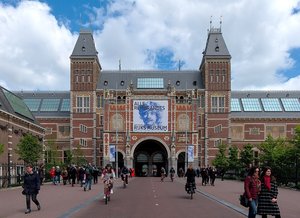
Rijksmuseum, AmsterdamasRijksmuseum Amsterdamas 1 mountain View
Walters Art Museum, BaltimoreWalters Art Museum Baltimore 1 Winter landscape
Fundacion Banco Santander, MadrytasFundacion Banco Santander Madrytas 1 Mountain landscape
Fine Arts Museums of San Francisco, San FranciscoFine Arts Museums of San Francisco San Francisco 1 Mountain road
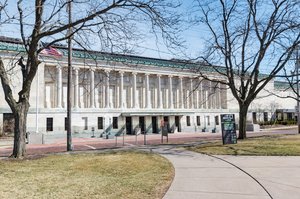
Toledo meno muziejus, ToledoToledo meno muziejus Toledo 1 A Summer Landscape with Harvesters
Kunstmuseum Liechtenstein, VaducasKunstmuseum Liechtenstein Vaducas 1 A Hermit before a Grotto

Janas De Momperis tapyiniai: galerijos atsakymai

Kuris Janas De Momperis paveikslas yra pats garsiausias iš visų?Atsakymas

Allegory of autumn. Toliausiai eina Village in winter ir Landscape with a chapel on a hill.

Kuriose yra 10 geriausių Janas De Momperis paveikslų?Atsakymas

Allegory of autumn, Village in winter, Landscape with a chapel on a hill, The Judgement of Paris, Landscape with ruins., Winter landscape, Hafenlandschaft with fortification tower, mountain View, Harbor view with fishermen ir From a series of four seasons in anthropomorphic landscapes, Allegory of summer. Viršuje esančioje reitingo sąraše nurodyta kiekvieno kūrinio metis ir muziejus.

Kiek kūrinių sukūrė Janas De Momperis?Atsakymas

Mūsų kataloge yra 22 darbų autoriaus Janas De Momperis.

Kur kabinami garsiausi Janas De Momperis originalūs darbai?Atsakymas

Daugiausia – Staatliche Kunstsammlungen Dresden (Dresno), Rijksmuseum (Amsterdamas) ir Walters Art Museum (Baltimore). Viršuje esančiame muziejų sąraše yra visi jie.

Kurią temą Janas De Momperis kūrė dažniausiai?Atsakymas

Landscape (7), People (5) ir Horse (4) iš 17 šioje pusėje esamų darbų.

Kurią techniką Janas De Momperis naudojo dažniausiai?Atsakymas

Oil On Canvas, iš 17 šios puslapio darbų – 6.

Janas De Momperis: menininkas

Jan de Momper: Master of Atmospheric Landscapes

Jan de Momper, a name often intertwined with that of his father, Bartholomeus de Momper the Elder, stands as a pivotal figure in 17th-century Flemish landscape painting. Born in Antwerp around 1564 – though some sources suggest 1614 or 1617 – he inherited not just an artistic lineage but also a profound understanding of the craft, shaping his own distinctive style that bridged the Mannerist and Baroque periods. His life was one of both privilege and persistent obscurity, a testament to the challenges faced by artists navigating the complex patronage systems of the era. De Momper’s legacy rests primarily on his ability to capture the sublime beauty of nature – particularly the dramatic vistas of the Alps – with an unparalleled sense of atmosphere and depth.

Early Life and Artistic Training

De Momper's artistic journey began within a family deeply rooted in the visual arts. His grandfather, also a landscape painter, provided an initial foundation, while his father, Bartholomeus de Momper the Elder, was a renowned painter, print publisher, and art dealer. This familial connection afforded him invaluable early training, immersing him in the techniques of oil painting and printmaking. Crucially, he became a master of the Antwerp Guild of St. Luke at the remarkably young age of seventeen in 1581 – a remarkable achievement that underscored his prodigious talent. Accounts suggest a formative period spent in Italy during the 1580s, where he likely studied the works of masters like Paul Bril and absorbed the burgeoning interest in landscape painting prevalent within Roman circles. This exposure undoubtedly influenced his later style, particularly his penchant for dramatic mountainscapes and expansive vistas.

Style and Technique: A Synthesis of Influences

De Momper’s artistic voice is a fascinating synthesis of influences. He was profoundly shaped by the work of Pieter Brueghel the Elder, evident in his depictions of rural life and seasonal changes, but he also possessed a distinct sensitivity to atmospheric perspective and color transitions that set him apart. His landscapes are characterized by a masterful use of light and shadow, creating an illusion of depth and distance rarely seen in contemporary works. He frequently employed a “brown foreground to green background” technique – a hallmark of Mannerism – gradually transitioning from earthy tones to vibrant blues as the eye moved into the distance. This approach wasn’t merely stylistic; it reflected a deep understanding of how light interacts with natural elements, imbuing his paintings with an almost palpable sense of realism. Furthermore, De Momper collaborated extensively with other leading artists, notably Frans Francken II and Jan Brueghel the Younger, often contributing the atmospheric landscape element to larger compositions featuring figures and narrative scenes. This collaborative approach allowed him to showcase his skills while benefiting from the expertise of others in depicting human activity within the broader scene.

Patronage and Recognition

Despite his considerable talent, De Momper’s career was punctuated by periods of relative obscurity. However, he enjoyed significant patronage throughout his life, a testament to the quality of his work and his connections within Antwerp's artistic circles. Archduchess Isabella Clara Eugenia, the influential governor of Flanders, famously requested that he be excused from paying taxes and fees in 1616 – a remarkable gesture indicative of her appreciation for his artistry. His paintings frequently adorned the galleries of wealthy collectors and noble families, both real and imagined, solidifying his reputation as one of the most sought-after landscape painters of his time. His likeness was even engraved by Anthony van Dyck, further elevating his status within the artistic community.

Legacy and Historical Significance

Jan de Momper’s output is surprisingly modest – only a handful of his estimated 500 paintings are signed, and just one is dated. This scarcity underscores the significant role of workshop participation in his career. Nevertheless, his influence on subsequent generations of landscape painters is undeniable. His work served as an inspiration for artists like Frans de Momper and Hercules Segers, who built upon his techniques and expanded his vision. De Momper’s landscapes, with their dramatic mountainscapes and atmospheric depth, represent a crucial bridge between the late Mannerist style and the rise of Baroque landscape painting in the Netherlands. He is remembered not just as a skilled painter but as a master of atmosphere, capable of capturing the sublime beauty of nature with an unparalleled sense of realism and emotional resonance. His paintings continue to captivate viewers today, offering a glimpse into the artistic world of 17th-century Flanders and the enduring power of landscape art.