Jacobus Storck portretas

Jacobus Storck paveikslai: 19 garsiausi, galerijos akimis

Atnaujinta lapkritis 2026 · pagal mūsų populiarumumo koeficientą (paieškos, lankytojai ir užsakymai kiekvienam kūriniui) · 19 Jacobus Storck darbai mūsų kataloge

Trumpai tariant

Galerijos akimais, garsiausias Jacobus Storck paveikslas yra A Zeeland States Yacht Firing a Salute off the Oude Hooftdpoort, Rotterdam, The Netherlands. River Town (1651) ir View of Maarsen (1664) užbaia trio, kurį atpažįsta kiekvienas ž)/\ Iš 19 Jacobus Storck darbų mūsų kataloge, galerija žemiau pristato 19 garsiausius – kiekvienas yra originalus, su nurodytu metais, muziejumi bei unikaliu aprašymu.

1641 – 1692, Amsterdam Daugiausia darbų: Amsterdam Museum

10 geriausių galerijos Jacobus Storck paveikslų

2
River Town (1651) aut. Jacobus Storck

River Town

1651 · Oil On Canvas · Slovak National Gallery, Bratislava

A heavy, silver sky hangs over a wide river, casting a soft light upon the movement below. In the foreground, the rugged bark of large trees frames the view, their dark branches reaching toward the clouds. The water carries the weight of the day, reflecting the pale blues and greys of the atmosphere. Small figures move along the shoreline, their lives tethered to the rhythm of the tide and the…

3
View of Maarsen (1664) aut. Jacobus Storck

View of Maarsen

1664 · Oil On Panel · Rijksmuseum Twenthe, Enschede

The river flows through Maarsen with a slow, heavy grace. A wide, horizontal expanse of water carries the weight of the sky, reflecting muted browns and the pale, creamy light of a late afternoon. Along the banks, the architecture of the Dutch town rises in geometric silhouettes, their gabled roofs cutting sharp lines against the soft, drifting clouds. Small boats rest upon the surface, their masts reaching upward like thin…

4
Seaside landscape with ancient ruins on the coast (1674) aut. Jacobus Storck

Seaside landscape with ancient ruins on the coast

1674 · Oil On Canvas · Nacionalinis muziejus Varšuvoje, Varšuva

In "Seaside landscape with ancient ruins on the coast" by Jacobus Storck, a strong diagonal line pulls the eye from the weathered stones on the right toward the distant ships on the left. This movement creates a deep sense of scale across the maritime landscape. The scene captures a dramatic coastal stretch where classical ruins meet the restless activity of the sea. Above, a vast sky filled with heavy clouds…

5
Harbour Scene with Antique Ruins (1671) aut. Jacobus Storck

Harbour Scene with Antique Ruins

1671 · Oil · Statens Museum For Kunst, Kopenhaga

In this 1671 oil painting, we find ourselves on a shoreline where the weight of history meets the movement of the sea. The composition is anchored on the left by the heavy, weathered presence of stone arches and columns, their surfaces worn by time and salt. These ruins, rendered in muted ochre and tan, recede into the distance, creating a profound sense of depth that draws the eye toward the…

6
Nijenrode Castle on the Vecht near Breukelen (1673) aut. Jacobus Storck

Nijenrode Castle on the Vecht near Breukelen

1673 · Oil On Canvas · Rijksmuseum, Amsterdamas

The riverbank near Breukelen provides a tranquil stage for this 1673 landscape. Nijenrode Castle rises from the right bank, its structured, geometric silhouette providing a firm anchor against the organic softness of the surrounding foliage. A large sailing vessel occupies the mid-ground, its white sails catching the diffused daylight as it navigates the calm waters of the Vecht. The composition relies on a low-angle perspective, pulling the viewer toward the…

8
The IJ at the Nieuwe Brug seen towards the Haringpakkerstoren (1685) aut. Jacobus Storck

The IJ at the Nieuwe Brug seen towards the Haringpakkerstoren

1685 · Oil On Canvas · Amsterdam Museum, Amsterdamas

The IJ at the Nieuwe Brug seen towards the Haringpakkerstoren is a work by Jacobus Storck, dating from 1685. This piece offers a specific view of the maritime and urban landscape of the Dutch Golden Age, focusing on the intersection of the city's architecture and its vital waterways. The composition centers on the relationship between the harbor and the structures that defined the waterfront during this period.

9
The Singel and the Round Lutheran Church (1685) aut. Jacobus Storck

The Singel and the Round Lutheran Church

1685 · Oil On Canvas · Amsterdam Museum, Amsterdamas

The composition centers on the Singel canal, where the water reflects a soft, luminous sky. To the right, the Round Lutheran Church anchors the scene with its prominent dome, a structure designed by Adriaan Dortsman. The architecture is rendered with precision, its geometric lines contrasting against the organic, billowing clouds above. On the left, a tall tree and various sailing vessels populate the canal, their masts cutting vertically through the…

Jacobus Storck tapiai, rangos nuo 11 iki 19

Temos, kurios domino Jacobus Storck

Ketverios temos, dažniausiai pasikrausto originaluose, kiekvienos su savo puikiausiu pavyzdžiu.

Muziejai, kuriuose saugomi Jacobus Storck originalūs darbai

8 muziejai, kuriuose saugoma daugiausia šioje pusėje esamų paveikslų.

Muzejaus Miestas Jacobus Storck darbai Šiojo sąrašo paveikslai
Amsterdam Museum, AmsterdamasAmsterdam Museum Amsterdamas 5 The Haringpakkerstoren with the Stadsherberg in the background, The IJ at the Nieuwe Brug seen towards the Haringpakkerstoren, The Singel and the Round Lutheran Church
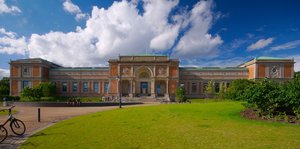
Statens Museum For Kunst, KopenhagaStatens Museum For Kunst Kopenhaga 2 Harbour Scene with Antique Ruins, Prospekt fra Rhinen. Udsigt mod Bacharach med Burg Stahleck
Slovak National Gallery, BratislavaSlovak National Gallery Bratislava 1 River Town
Rijksmuseum Twenthe, EnschedeRijksmuseum Twenthe Enschede 1 View of Maarsen
Nacionalinis muziejus Varšuvoje, VaršuvaNacionalinis muziejus Varšuvoje Varšuva 1 Seaside landscape with ancient ruins on the coast
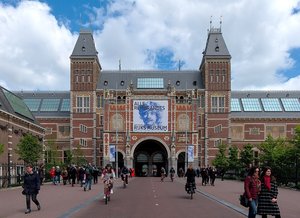
Rijksmuseum, AmsterdamasRijksmuseum Amsterdamas 1 Nijenrode Castle on the Vecht near Breukelen
Antverpio karališkasis gražiųjų menų muziejus, AntverpysAntverpio karališkasis gražiųjų menų muziejus Antverpys 1 View of the Necker
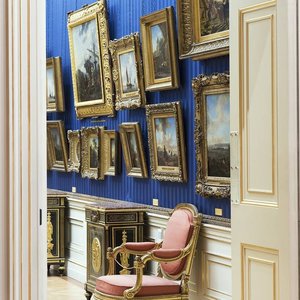
Wallace Collection, LondonasWallace Collection Londonas 1 Castle on a River in Holland

Jacobus Storck, po vieno ikoninio paveikslio kiekvienam dešimtmenės laikotarpiui

Darbai pagal dešimtmečius

Pasirinkite dešimtmetį, kad pamatytėte jį apibrėžusį originalą.

Jacobus Storck tapyiniai: galerijos atsakymai

Kuris Jacobus Storck paveikslas yra pats garsiausias iš visų?Atsakymas

A Zeeland States Yacht Firing a Salute off the Oude Hooftdpoort, Rotterdam, The Netherlands. Toliausiai eina River Town (1651) ir View of Maarsen (1664).

Kuriose yra 10 geriausių Jacobus Storck paveikslų?Atsakymas

A Zeeland States Yacht Firing a Salute off the Oude Hooftdpoort, Rotterdam, The Netherlands, River Town, View of Maarsen, Seaside landscape with ancient ruins on the coast, Harbour Scene with Antique Ruins, Nijenrode Castle on the Vecht near Breukelen, The Haringpakkerstoren with the Stadsherberg in the background, The IJ at the Nieuwe Brug seen towards the Haringpakkerstoren, The Singel and the Round Lutheran Church ir The Round Lutheran church on the Singel. Viršuje esančioje reitingo sąraše nurodyta kiekvieno kūrinio metis ir muziejus.

Kiek kūrinių sukūrė Jacobus Storck?Atsakymas

Mūsų kataloge yra 19 Jacobus Storck darbų, skirtų laikotarpiui nuo 1651 iki 1689.

Kur kabinami garsiausi Jacobus Storck originalūs darbai?Atsakymas

Daugiausia – Amsterdam Museum (Amsterdamas), Statens Museum For Kunst (Kopenhaga) ir Slovak National Gallery (Bratislava). Viršuje esančiame muziejų sąraše yra visi jie.

Kada Jacobus Storck sukūrė savo garsiausias paveikslus?Atsakymas

1680s laikotarpiu: 5 iš 19 šioje pusėje esančių darbų buvo sukurtos tada, iš jų The Haringpakkerstoren with the Stadsherberg in the background.

Kokie yra ankstyviausi ir vėliausi garsieji Jacobus Storck kūriniai?Atsakymas

Šioje pusėje seniausias darbas yra River Town (1651), o naujausias – The IJ at the Schreierstoren (1689).

Kurią temą Jacobus Storck kūrė dažniausiai?Atsakymas

Water (12), Sky (12) ir Boat (6) iš 19 šioje pusėje esamų darbų.

Kurią techniką Jacobus Storck naudojo dažniausiai?Atsakymas

Oil On Canvas, iš 19 šios puslapio darbų – 7.

Kurių Jacobus Storck originalų turi Amsterdam Museum?Atsakymas

The Haringpakkerstoren with the Stadsherberg in the background, The IJ at the Nieuwe Brug seen towards the Haringpakkerstoren ir The Singel and the Round Lutheran Church: Amsterdam Museum, Amsterdamas kolekcijoje yra 5 šioje pusėje esančių darbų.

Jacobus Storck: menininkas

Jacobus Storck: A Silent Witness to Holland’s Maritime Glory

In the grand, salt-sprayed tapestry of the Dutch Golden Age, certain names shine with a brilliance that obscures the subtle, masterful strokes of others. Jacobus Storck (1641–1692) is such a figure—a painter whose legacy, while occasionally overshadowed by his more famous brother Abraham, remains an essential chronicle of seventeenth-century maritime life. Born in the bustling heart of Amsterdam, Storck was immersed from birth in an environment where the rhythm of the tides and the commerce of the sea dictated the pulse of the nation. His artistic lineage was one of profound nautical significance; as the son of the accomplished marine painter Johannes Sturckenburgh, he was raised within a tradition that viewed the sea not merely as a backdrop, but as a living, breathing protagonist in the story of Dutch prosperity.

The development of Storck’s artistry was deeply rooted in this familial apprenticeship. Growing up amidst the artistic milieu of his father’s studio, he honed a remarkable ability to capture the ephemeral qualities of the maritime atmosphere. He possessed a rare sensitivity to the way light dances upon turbulent waters and how heavy, low-hanging clouds cast dramatic shadows across a harbor. His early training allowed him to master the technical complexities of marine painting—specifically the challenge of rendering movement, from the rhythmic swell of the waves to the sudden, violent spray of a breaking crest. This commitment to naturalistic observation ensured that his works were more than mere depictions; they were immersive experiences that transported the viewer to the very docks of Haarlem and Rotterdam.

Mastery of Light and the Maritime Canvas

Storck’s technical prowess is most evident in his sophisticated use of chiaroscuro, the dramatic interplay of light and shadow. Drawing inspiration from the monumental techniques perfected by masters like Rembrandt and Caravaggio, he utilized deep shadows to create depth and a sense of impending drama within his compositions. This was particularly effective in his depictions of harbor scenes, where the dark, weathered hulls of ships would emerge from the gloom, illuminated by sudden shafts of sunlight. His brushwork displayed an unwavering dedication to texture; one can almost feel the rough, salt-encrusted grain of a ship's wooden planks or the slick, glistening surface of a receding tide.

His oeuvre is defined by several notable achievements that showcase his versatility as a landscape and marine artist:

  • View of a Harbour: A testament to his ability to organize complex maritime compositions with clarity and perspective.
  • Capriccio View of Haarlem: An exploration of architectural beauty intertwined with the fluid elements of the Dutch landscape.
  • A Zeeland States Yacht Firing a Salute off the Oude Hooftdpoort, Rotterdam: A magnificent display of movement and celebratory atmosphere, capturing the ceremonial grandeur of Dutch naval tradition.

A Lasting Legacy in the Golden Age

While biographical records regarding his personal life remain somewhat sparse, the historical significance of Jacobus Storck is undeniable. His work serves as a vital visual record of the Dutch Republic at the height of its maritime power. Through his eyes, we witness the bustling commercial vitality of the era's great ports and the technical sophistication of the vessels that drove global trade. Though some scholars have historically debated the attribution of certain works signed "ja storck"—often weighing them between Jacobus and his brother Abraham—the intrinsic quality of his hand is unmistakable.

Ultimately, Storck’s contribution to art history lies in his ability to act as a silent witness to a bygone era. He did not merely paint ships; he painted the very spirit of a nation defined by its relationship with the sea. His paintings remain enduring windows into the seventeenth century, preserving the light, the motion, and the monumental ambition of the Dutch Golden Age for all eternity.