Gerrit Van Vucht portretas

21 garsiausių Gerrit Van Vucht paveikių – kiekvienas yra unikalus

Atnaujinta lapkritis 2026 · pagal mūsų populiarumumo koeficientą (paieškos, lankytojai ir užsakymai kiekvienam kūriniui) · 21 Gerrit Van Vucht darbai mūsų kataloge

Trumpai tariant

Church interior (1632) yra viena矚 most žiūrėlių pritraukiančių Gerrit Van Vucht tapierių; originalas saugomas Museum Boijmans Van Beuningen, Roterdamas. Po to akmuo patenka į Still Life with Ham, a Glass of Beer, and a Lemon (1661) ir Still life with fish, eggs, bread and pans (1650). Iš 21 Gerrit Van Vucht darbų mūsų kataloge šios 21 yra garsiausios – kiekvienas yra unikali originali dai̇lia, pateikta su jos metais, muziejumi ir priežastimi, kodėl ji išlieka per amžius.

1610 – 1697 Daugiausia darbų: Museum Boijmans Van Beuningen

10 geriausių Gerrit Van Vucht paveikslų: galerijos akimais

žinomi Gerrit Van Vucht paveikslai, nuo 11 iki 21 numerio

Muziejai, kuriuose saugomi Gerrit Van Vucht originalūs darbai

8 muziejai, kuriuose saugoma daugiausia šioje pusėje esamų paveikslų.

Muzejaus Miestas Gerrit Van Vucht darbai Šiojo sąrašo paveikslai
Museum Boijmans Van Beuningen, RoterdamasMuseum Boijmans Van Beuningen Roterdamas 2 Church interior, Still Life with Books
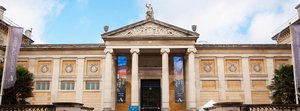
Ashmolean Museum, OksfordasAshmolean Museum Oksfordas 2 Still life with stoneware jug, bekerschroef, glassware and a leg of ham, Still life with skull, books, candle and a flask
Het Prinsenhof, DelftHet Prinsenhof Delft 1 Still Life with Ham, a Glass of Beer, and a Lemon
The National Museum in Poznań, PoznańThe National Museum in Poznań Poznań 1 Still life with beads, books, hourglass, letters and bottle
Nationalmuseum, StokholmasNationalmuseum Stokholmas 1 Still Life with Fruit
Rijksmuseum, AmsterdamasRijksmuseum Amsterdamas 1 Vanitas Still Life, Gerrit van Vucht, 1658 - 1697
Kunsthistorisches Museum, VienaKunsthistorisches Museum Viena 1 Interior of a Gothic Church
Vienos dailės akademija, VienaVienos dailės akademija Viena 1 Still life with sphere, books, tazza and wine glass

Gerrit Van Vucht per dešimtmečius: vieniškas originalas kiekvienam

Darbai pagal dešimtmečius

Pasirinkite dešimtmetį, kad pamatytėte jį apibrėžusį originalą.

Gerrit Van Vucht tapų klausimai galerijai

Koks yra garsiausias Gerrit Van Vucht kūrinys?Atsakymas

Church interior (1632), Museum Boijmans Van Beuningen, Roterdamas. Toliau seka Still Life with Ham, a Glass of Beer, and a Lemon (1661) ir Still life with fish, eggs, bread and pans (1650).

Kuriuo amžiaus atσταση Gerrit Van Vucht sukūrė Church interior?Atsakymas

22 metų amžiaus: Church interior sukurta 1632 m. Nr. Gerrit Van Vucht gimė 1610.

Kurios Gerrit Van Vucht dešimt paveikslų yra garsiausi?Atsakymas

Church interior, Still Life with Ham, a Glass of Beer, and a Lemon, Still life with fish, eggs, bread and pans, Kitchen still life with meat, fish and vegetables, Still life with books and flute, Still life with tric-trac game on a wooden table, chairs and a cello to the right, Still life with beads, books, hourglass, letters and bottle, Still life with stoneware jug, bekerschroef, glassware and a leg of ham, Still life with a pewter jug, roemers and a leg of ham ir Still Life with Fruit. Viršuje esančioje reitingo sąraše nurodyta kiekvieno kūrinio metis ir muziejus.

Kiek žinoma Gerrit Van Vucht darbų?Atsakymas

Mūsų kataloge yra 21 Gerrit Van Vucht darbų, skirtų laikotarpiui nuo 1632 iki 1697.

Kur galima pamatyti garsiausių Gerrit Van Vucht originalų?Atsakymas

Daugiausia – Museum Boijmans Van Beuningen (Roterdamas), Ashmolean Museum (Oksfordas) ir Het Prinsenhof (Delft). Viršuje esančiame muziejų sąraše yra visi jie.

Kuriuo laikotarpiu Gerrit Van Vucht sukūrė savo žymiausias paveikslus?Atsakymas

1650s laikotarpiu: 6 iš 21 šioje pusėje esančių darbų buvo sukurtos tada, iš jų Still life with fish, eggs, bread and pans.

Kuris iš garsių Gerrit Van Vucht paveikslų yra pirmasis, o kuris – paskutinis?Atsakymas

Šioje pusėje seniausias darbas yra Church interior (1632), o naujausias – Vanitas Still Life, Gerrit van Vucht, 1658 - 1697 (1697).

Kurius Gerrit Van Vucht originalius galėčiau pamatyti Museum Boijmans Van Beuningen?Atsakymas

Church interior ir Still Life with Books: Museum Boijmans Van Beuningen, Roterdamas kolekcijoje yra 2 šioje pusėje esančių darbų.

Gerrit Van Vucht: meno kūrinys – autoportretas

Gerrit van Vucht: A Master of Dutch Still Life and Symbolic Reflection

Gerrit van Vucht (circa 1658 – present) stands as a significant figure within the vibrant tapestry of seventeenth-century Dutch art, specifically recognized for his masterful depictions of still lifes—particularly those imbued with the profound symbolism of *vanitas*. Unlike many artists of his era preoccupied with grand narratives and mythological subjects, Van Vucht focused intently on capturing the mundane realities of domestic life, transforming commonplace objects into vehicles for contemplation on mortality and the fleeting nature of earthly existence. His work offers a unique window into the intellectual climate of the Dutch Golden Age, reflecting humanist ideals alongside deeply rooted religious convictions.
  • Early Life and Training:
  • Career Highlights:
  • Style and Technique:
  • Influence and Legacy:

Early Life and Training

Information regarding Gerrit van Vucht’s formative years remains somewhat elusive, contributing to the enduring fascination surrounding his artistic output. Born around 1658 in Haarlem—a city renowned for its flourishing art scene—he apprenticed under Nicolaes Berckhuyt, a celebrated painter known for his portraits and landscapes. This apprenticeship instilled in Van Vucht a foundational understanding of compositional principles and meticulous observation – skills that would prove invaluable throughout his career. The influence of Berckhuyt’s artistic vision extended beyond mere technical proficiency; it fostered an appreciation for capturing the subtle nuances of light and texture, characteristics that define much of Van Vucht's distinctive style.
  • Notable Mentors:
  • Academic Training:

Career Highlights

Van Vucht’s artistic trajectory unfolded primarily in Haarlem, where he established himself as a respected artist and teacher. He gained considerable renown for his ability to execute commissions with grace and precision, catering to both aristocratic patrons and wealthy merchants. His prolific output encompassed portraits, landscapes, and—most notably—still lifes that cemented his reputation as one of the foremost practitioners of *vanitas* painting during his lifetime. These compositions weren’t merely aesthetically pleasing; they served as didactic reminders of human vulnerability against the backdrop of divine judgment – a theme prevalent in Dutch Baroque art. Among his most celebrated works are depictions of kitchen cabinets laden with symbolic objects—a genre that allowed him to explore complex philosophical ideas within a deceptively simple visual framework.
  • Major Commissions:
  • Teaching Positions:

Style and Technique

Van Vucht’s artistic style is characterized by remarkable detail and realism, achieved through painstaking observation and meticulous brushwork. He employed a technique rooted in chiaroscuro—the dramatic interplay of light and shadow—to sculpt forms with breathtaking accuracy and convey an atmosphere of solemn contemplation. Like many artists of his era, he adhered to the conventions of academic painting, prioritizing anatomical correctness and idealized beauty. However, Van Vucht distinguished himself through his profound understanding of symbolism – a hallmark of *vanitas* art. He skillfully arranged objects within his canvases—such as skulls, decaying fruit, hourglasses, and extinguished candles—to represent the inevitable passage of time and the futility of earthly pursuits. These symbols resonated deeply with viewers of the period, prompting reflection on mortality and spiritual redemption.
  • Chiaroscuro Mastery:
  • Symbolic Arrangement:

Influence and Legacy

Gerrit van Vucht’s contribution to Dutch art extends beyond his individual masterpieces; he exerted considerable influence on subsequent generations of painters. His meticulous technique and unwavering commitment to capturing the essence of everyday life served as a model for artists seeking to elevate realism while simultaneously conveying moral lessons. Although Van Vucht's work may not command the same level of fame as Rembrandt or Vermeer, it remains an invaluable testament to the intellectual and artistic fervor of the Dutch Golden Age—a period defined by humanist thought and religious piety. His enduring legacy resides in his ability to transform ordinary objects into instruments of profound philosophical contemplation, ensuring that his art continues to inspire viewers centuries after its creation.