Domi Kano portretas

3 garsiausių Domi Kano paveikių – kiekvienas yra unikalus

Atnaujinta lapkritis 2026 · pagal mūsų populiarumumo koeficientą (paieškos, lankytojai ir užsakymai kiekvienam kūriniui) · 3 Domi Kano darbai mūsų kataloge

Trumpai tariant

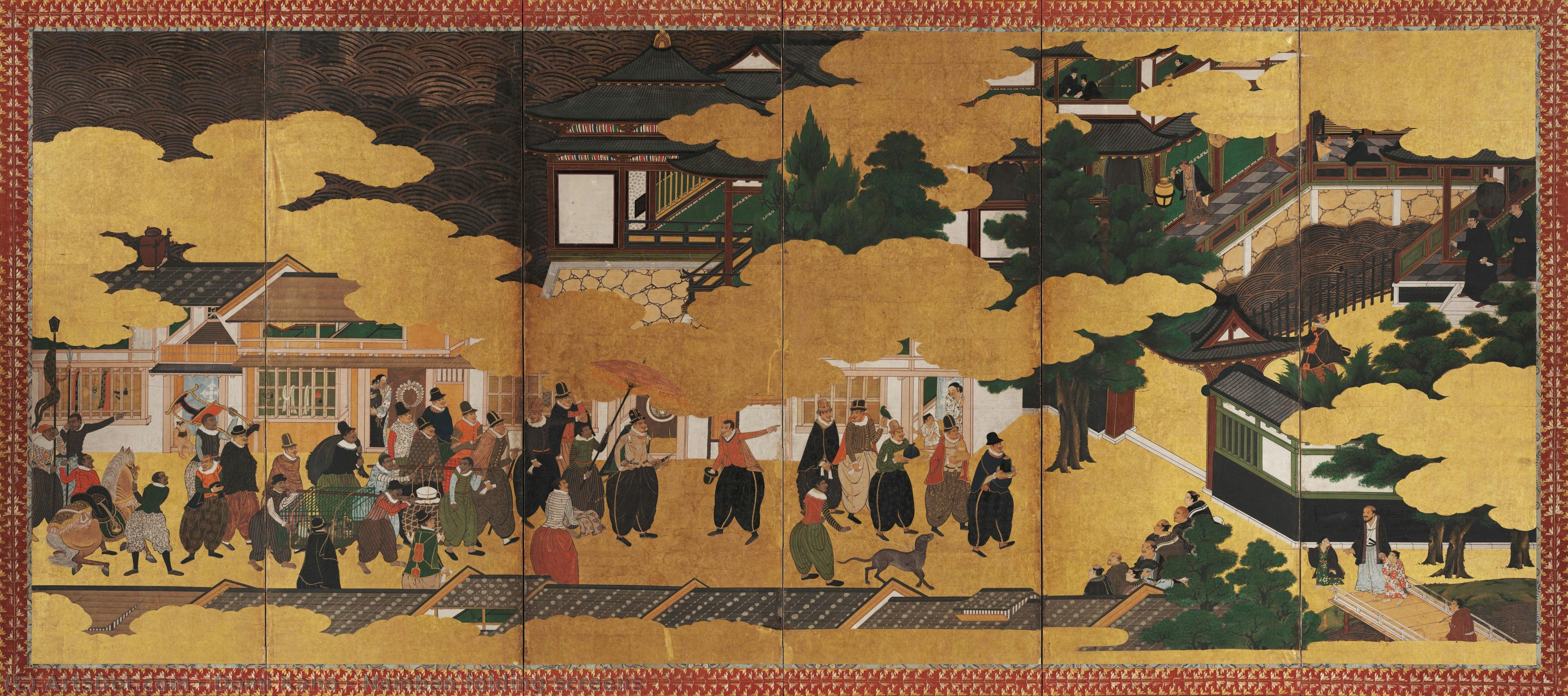
Namban folding screens (1600) yra viena iš labiausiai žaičiamosių Domi Kano tapierių; originalas priklauso Liaudies senovės meno nacionalinis muziejus, Lisbona. Po to akmuo patenka į Namban folding screens (1600) ir Namban folding screens (1600). Iš 3 Domi Kano darbų mūsų kataloge šios 3 yra garsiausios – kiekvienas yra unikali originali dai̇lia, pateikta su jos metais, muziejumi ir priežastimi, kodėl ji išlieka per amžius.

1562 – 1624, Kyoto Daugiausia darbų: Liaudies senovės meno nacionalinis muziejus

10 geriausių Domi Kano paveikslų: galerijos akimais

1
Namban folding screens (1600) aut. Domi Kano

Namban folding screens

Step into the vibrant, bustling world of late sixteenth-century Japan through the breathtaking Namban folding screens, a masterpiece attributed to the legendary Kano school master, Domi Kano. Created around 1600, this expansive work serves as more than just a decorative object; it is a cinematic window into a pivotal moment in human history—the arrival of the "Southern Barbarians" or Nanban traders from Europe. As you gaze upon the sweeping 172…

2
Namban folding screens (1600) aut. Domi Kano

Namban folding screens

1600 · Gold Leaf · Liaudies senovės meno nacionalinis muziejus, Lisbona

In the twilight of the sixteenth century, as the world began to shrink through the daring voyages of European explorers, a profound cultural collision unfolded on the shores of Japan. The Namban folding screens, masterfully executed by the renowned Kano School artist Domi Kano around 1600, serve as a breathtaking visual chronicle of this transformative era. These monumental works do not merely depict a historical event; they capture the very…

3
Namban folding screens (1600) aut. Domi Kano

Namban folding screens

The arrival of European traders and missionaries in Japan marks a profound shift in the nation's historical trajectory. Around 1600, Domi Kano captured this transformative era through a series of large-scale folding screens. The composition centers on a massive vessel navigating the waters, surrounded by a fleet of smaller boats. Figures populate the scene, some positioned near the ships and others scattered across the maritime landscape. Birds move through the…

Temos, kurios domino Domi Kano

Ketverios temos, dažniausiai pasikrausto originaluose, kiekvienos su savo puikiausiu pavyzdžiu.

Muziejai, kuriuose saugomi Domi Kano originalūs darbai

1 muziejai, kuriuose saugoma daugiausia šioje puslapyje esamų paveikslų.

Muzejaus Miestas Domi Kano darbai Šiojo sąrašo paveikslai
Liaudies senovės meno nacionalinis muziejus, LisbonaLiaudies senovės meno nacionalinis muziejus Lisbona 3 Namban folding screens, Namban folding screens, Namban folding screens

Domi Kano darbai per metus: kiekvieno unikalūs originalūs kūriniai

Visi čia pateikiami datuoti Domi Kano originalūs darbai priklauso vienoms metams – 1600: jie išvardyti pagal budulį.

Darbai pagal metus

Pasirinkite metus, kad pamatytumėte originalus darbus.

Domi Kano tapų klausimai galerijai

Koks yra garsiausias Domi Kano kūrinys?Atsakymas

Namban folding screens (1600), Liaudies senovės meno nacionalinis muziejus, Lisbona. Toliau seka Namban folding screens (1600) ir Namban folding screens (1600).

Kuriu amžiaus Domi Kano sukūrė Namban folding screens?Atsakymas

38 metų amžiaus: Namban folding screens sukurta 1600 m. Nr. Domi Kano gimė 1562.

Kiek žinoma Domi Kano darbų?Atsakymas

Mūsų kataloge yra 3 darbų autoriaus Domi Kano.

Kur galima pamatyti garsiausių Domi Kano originalų?Atsakymas

Daugiausia – Liaudies senovės meno nacionalinis muziejus (Lisbona). Viršuje esančiame muziejų sąraše yra visi jie.

Kuriuo laikotarpiu Domi Kano sukūrė savo žymiausias paveikslus?Atsakymas

1600 laikotarpiu: 3 iš 3 šioje pusėje esančių darbų buvo sukurtos tada, iš jų Namban folding screens.

Kokia temos Domi Kano mėgavosi?Atsakymas

Namban (2) ir Gold leaf (2) iš 3 šioje pusėje esamų darbų.

Kurius Domi Kano originalius galėčiau pamatyti Liaudies senovės meno nacionalinis muziejus?Atsakymas

Namban folding screens, Namban folding screens ir Namban folding screens: Liaudies senovės meno nacionalinis muziejus, Lisbona kolekcijoje yra 3 šioje pusėje esančių darbų.

Domi Kano: meno kūrinys – autoportretas

biography of a renowned artist

domi kano, also known as kano domi, was a japanese painter born in kyoto in 1562 and died in 1624. he was a member of the kano school, one of the most important and influential schools of japanese painting, which was founded in the 15th century and continued to produce masterpieces until the 19th century.

the kano school style

the kano school was known for its refined and elegant style, which combined traditional japanese techniques with chinese and western influences. domi kano was the son of kano eitoku, the most famous artist of the kano school, and he continued his father's legacy by becoming the head of the school and producing many works of art that are still admired today.

notable works

* namban folding screens (1600) - these screens depict the arrival of the first european traders and missionaries in japan, and are considered one of the masterpieces of japanese art. * landscape with gold leaf - characterized by its use of gold leaf, which gives his paintings a rich and luxurious look.

artistic style and influence

domi kano's style is characterized by its use of gold leaf, which was a novelty in japanese art at the time. he was also known for his mastery of the perspective technique, which added depth to his paintings. his work has had a profound influence on japanese art, and he is considered one of the greatest artists of his time. important: domi kano's work can be found in various museums and collections, including the tokyo national museum, which features some of his most notable pieces.