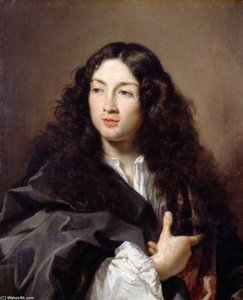
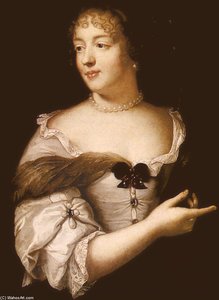
Claude Lefebvre portretas

19 garsiausių Claude Lefebvre paveikių – kiekvienas yra unikalus

Atnaujinta lapkritis 2026 · pagal mūsų populiarumumo koeficientą (paieškos, lankytojai ir užsakymai kiekvienam kūriniui) · 19 Claude Lefebvre darbai mūsų kataloge

Trumpai tariant

Portrait of Jean-Baptiste Colbert (1666) yra viena矚 most žiūrėlių pritraukiančių Claude Lefebvre tapierių; originalas saugomas Château de Versailles, Versalio. Po to akmuo patenka į Portrait of a Man (1667) ir Presumed portrait of Louise-Françoise de La Baume Le Blanc, duchesse de La Vallière as Diana (1665). Iš 19 Claude Lefebvre darbų mūsų kataloge šios 19 yra garsiausios – kiekvienas yra unikali originali dai̇lia, pateikta su jos metais, muziejumi ir priežastimi, kodėl ji išlieka per amžius.

1632 – 1675, Fontainebleau Baroque Daugiausia darbų: Château de Versailles

10 geriausių Claude Lefebvre paveikslų: galerijos akimais

1
Portrait of Jean-Baptiste Colbert (1666) aut. Claude Lefebvre

Portrait of Jean-Baptiste Colbert

1666 · Oil On Canvas · Château de Versailles, Versalio

Claude Lefebvre's "Portrait of Jean-Baptiste Colbert" is more than a simple likeness; it’s a carefully constructed tableau of power, wealth, and the burgeoning influence of the French monarchy in the mid-17th century. Painted in 1666, this oil on canvas offers a remarkably intimate portrayal of the pivotal figure who shaped Louis XIV's finance and foreign policy – Colbert himself. The painting resides within the opulent walls of the Château de…

7
A Teacher and his Pupil (1670) aut. Claude Lefebvre

A Teacher and his Pupil

1670 · Oil On Canvas · Liuvro muziejus, Paryžius

In the quiet depths of the seventeenth century, amidst the grand flourishes of the Baroque era, there existed moments of profound, silent connection that transcended the mere recording of faces. Claude Lefebvre’s 1670 masterpiece, "A Teacher and his Pupil," captures such a moment with unparalleled emotional resonance. This is not merely a portrait of two individuals; it is an evocative window into the very essence of mentorship and the sacred…

8
Jean-Baptiste Colbert (1666) aut. Claude Lefebvre

Jean-Baptiste Colbert

1666 · Château de Versailles, Versalio

Claude Lefebvre’s “Portrait of Jean-Baptiste Colbert” – painted in 1666 – is more than just a likeness; it's a carefully constructed statement about the man who shaped the financial destiny of Louis XIV’s France. This arresting portrait, housed within the opulent walls of Versailles, offers a glimpse into the mind and ambition of a figure whose influence reverberates through European history. Lefebvre, a master of capturing both physical presence and…

žinomi Claude Lefebvre paveikslai, nuo 11 iki 19 numerio

Temos, kurios domino Claude Lefebvre

Ketverios temos, dažniausiai pasikrausto originaluose, kiekvienos su savo puikiausiu pavyzdžiu.

Muziejai, kuriuose saugomi Claude Lefebvre originalūs darbai

5 muziejai, kuriuose saugoma daugiausia šioje pusėje esamų paveikslų.

Muzejaus Miestas Claude Lefebvre darbai Šiojo sąrašo paveikslai
Château de Versailles, VersalioChâteau de Versailles Versalio 4 Portrait of Jean-Baptiste Colbert, Portrait of Marie-Louise Rouxel de Médavy, Mademoiselle de Grancey, Jean-Baptiste Colbert
Opera House, VersalioOpera House Versalio 2 Presumed portrait of Louise-Françoise de La Baume Le Blanc, duchesse de La Vallière as Diana, Charles Couperin and the second daughter of Claude Lefebvre
Liuvro muziejus, ParyžiusLiuvro muziejus Paryžius 1 A Teacher and his Pupil
Nacionalinis muziejus Varšuvoje, VaršuvaNacionalinis muziejus Varšuvoje Varšuva 1 Portrait of a man in a black wig
Carnavalet muziejus, ParisCarnavalet muziejus Paris 1 Porträt Marie De Rabutin-chantals

Claude Lefebvre darbai per metus: kiekvieno unikalūs originalūs kūriniai

Čia pateiktos Claude Lefebvre originalios darbai, apimantys maždaug dešimt metų laikotarpį, nuo 1664 iki 1673: akmuo seka juos metus po metų.

Darbai pagal metus

Pasirinkite metus, kad pamatytumėte originalus darbus.

Claude Lefebvre tapų klausimai galerijai

Koks yra garsiausias Claude Lefebvre kūrinys?Atsakymas

Portrait of Jean-Baptiste Colbert (1666), Château de Versailles, Versalio. Toliau seka Portrait of a Man (1667) ir Presumed portrait of Louise-Françoise de La Baume Le Blanc, duchesse de La Vallière as Diana (1665).

Kuriuo amžiaus atσταση Claude Lefebvre sukūrė Portrait of Jean-Baptiste Colbert?Atsakymas

34 metų amžiaus: Portrait of Jean-Baptiste Colbert sukurta 1666 m. Nr. Claude Lefebvre gimė 1632.

Kurios Claude Lefebvre dešimt paveikslų yra garsiausi?Atsakymas

Portrait of Jean-Baptiste Colbert, Portrait of a Man, Presumed portrait of Louise-Françoise de La Baume Le Blanc, duchesse de La Vallière as Diana, Charles Couperin and the second daughter of Claude Lefebvre, Portrait of Roger de Rabutin, Portrait of Marie-Louise Rouxel de Médavy, Mademoiselle de Grancey, A Teacher and his Pupil, Jean-Baptiste Colbert, Portrait of a man in a black wig ir Portrait of a gentleman, wearing the order of the Knights of the Holy Spirit. Viršuje esančioje reitingo sąraše nurodyta kiekvieno kūrinio metis ir muziejus.

Kiek žinoma Claude Lefebvre darbų?Atsakymas

Mūsų kataloge yra 19 Claude Lefebvre darbų, skirtų laikotarpiui nuo 1664 iki 1673.

Kur galima pamatyti garsiausių Claude Lefebvre originalų?Atsakymas

Daugiausia – Château de Versailles (Versalio), Opera House (Versalio) ir Liuvro muziejus (Paryžius). Viršuje esančiame muziejų sąraše yra visi jie.

Kuriuo laikotarpiu Claude Lefebvre sukūrė savo žymiausias paveikslus?Atsakymas

1666 laikotarpiu: 2 iš 19 šioje pusėje esančių darbų buvo sukurtos tada, iš jų Portrait of Jean-Baptiste Colbert.

Kuris iš garsių Claude Lefebvre paveikslų yra pirmasis, o kuris – paskutinis?Atsakymas

Šioje pusėje seniausias darbas yra Portrait of Marie-Louise Rouxel de Médavy, Mademoiselle de Grancey (1664), o naujausias – Portrait of Roger de Rabutin (1673).

Kokia temos Claude Lefebvre mėgavosi?Atsakymas

Portraits (5), 17th century (4) ir Portrait (3) iš 19 šioje pusėje esamų darbų.

Kuriomis medžiagomis Claude Lefebvre tapė dažniausiai?Atsakymas

Oil On Canvas, iš 19 šios puslapio darbų – 2.

Kelią meno kryžkelę priklauso Claude Lefebvre kūryba?Atsakymas

Baroque, vadovaujantis šios puslapio originalais kūriniais.

Kurius Claude Lefebvre originalius galėčiau pamatyti Château de Versailles?Atsakymas

Portrait of Jean-Baptiste Colbert, Portrait of Marie-Louise Rouxel de Médavy, Mademoiselle de Grancey ir Jean-Baptiste Colbert: Château de Versailles, Versalio kolekcijoje yra 4 šioje pusėje esančių darbų.

Claude Lefebvre: meno kūrinys – autoportretas

A Legacy of Light and Line

In the grand tapestry of the seventeenth century, few artists captured the quiet dignity of the French nobility with as much grace as Claude Lefebvre. Born in Fontainebleau, the son of the painter Jean Lefèbvre, his artistic journey was deeply rooted in the traditions of his lineage and the prestigious workshops of his era. His early training began within the workshop of Claude d'Hoey at Fontainebleau, providing him with a foundational mastery of form that would later define his career. As he moved toward Paris, his education expanded under the guidance of masters such as Eustache Le Sueur and, most significantly, the legendary Charles Le Brun. While working under Le Brun, Lefebvre likely contributed to the preparation of grand cartoons for the History of the King tapestry series at the Château of Versailles, a period that placed him at the very heart of French royal artistic ambition.

Despite his early exposure to large-scale historical compositions, Lefebvre’s path took a more intimate turn. While Le Brun recognized his talent, he famously encouraged the artist to specialize in portraiture, noting that his compositions for larger narratives were less suited to his particular strengths. This redirection proved transformative. Lefebvre emerged as a leading portraitist of his time, a skill that earned him admission as a member of the Académie Royale de peinture et de sculpture in 1663. His ability to capture the psychological depth and social standing of his subjects allowed him to secure prestigious commissions, including a long-term project for the portrait of Jean-Baptiste Colbert, which he eventually presented at the Château of Versailles.

The Mastery of the Baroque Portrait

Lefebvre’s work is characterized by a profound command of the chiaroscuro technique, using the dramatic interplay of light and shadow to breathe life into his subjects. His portraits are not merely records of faces but evocative windows into the soul, often utilizing a somber yet sophisticated palette of deep blacks, earthy browns, and muted grays. In masterpieces such as A Teacher and his Pupil, one can observe how he directs light to pull figures from an atmospheric darkness into sharp, luminous relief, creating a sense of profound, silent connection. This technical virtuosity extended to his rendering of textures; through meticulous brushwork, he could convey the heavy weight of velvet robes, the crispness of fine lace, and the delicate shimmer of pearls.

His artistic development was further enriched by his travels, particularly his time in England. During his stay in London, he was invited to paint at the court of King Charles II, and it is believed that his style absorbed the elegant influences of Anthony van Dyck. This fusion of French precision and English fluidity helped solidify his reputation as an artist capable of capturing both the regal authority and the refined elegance of the era. His influence also extended to the next generation of painters, as he served as an assistant professor at the Académie, mentoring students such as François de Troy and Jean Cotelle, le jeune.

Historical Significance and Enduring Presence

Though many of Lefebvre’s original paintings have been lost to time—with much of his surviving legacy known through the meticulous engravings of contemporaries like Gérard Edelinck and Pieter van Schuppen—his impact on French portraiture remains undeniable. His work represents a vital chapter in the transition of Baroque sensibilities, blending the grandeur of the French court with an intimate, psychological realism. Today, his contributions are preserved in some of the world's most esteemed institutions, including:

  • The Louvre
  • The National Portrait Gallery, London
  • The Château of Versailles

Lefebvre remains a symbol of the refined artistry that defined the age of Louis XIV, an artist who turned the gaze inward to find the monumental within the personal.