

1


Atnaujinta lapkritis 2026 · pagal mūsų populiarumumo koeficientą (paieškos, lankytojai ir užsakymai kiekvienam kūriniui) · 6 Clara Ewald darbai mūsų kataloge
Trumpai tariant
Galerijos akimais, garsiausias Clara Ewald tapas yra Sir John Robert Seeley (1834–1895), Fellow, Regius Professor of Modern History (1869–1895) (1900), kurio originalas eksponuojamas Christ's College, Cambridge. Rupert Brooke (1911) ir Sir Clive Carey (1883–1968) (1910) užbaia trio, kurį atpažįsta kiekvienas ž)/\ Iš 6 Clara Ewald darbų mūsų kataloge, galerija žemiau pristato 6 garsiausius – kiekvienas yra originalus, su nurodytu metais, muziejumi bei unikaliu aprašymu.


4 muziejai, kuriuose saugoma daugiausia šioje pusėje esamų paveikslų.
| Muzejaus | Miestas | Clara Ewald darbai | Šiojo sąrašo paveikslai |
|---|---|---|---|
 National Portrait Gallery |
Londras | 2 | Rupert Brooke, Albert Schweitzer |
 Christ's College |
Cambridge | 1 | Sir John Robert Seeley (1834–1895), Fellow, Regius Professor of Modern History (1869–1895) |
 Royal College of Music |
Londonas | 1 | Sir Clive Carey (1883–1968) |
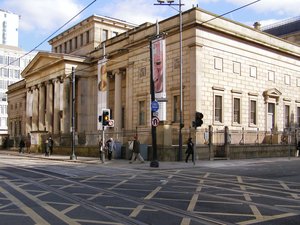 Manchester Art Gallery |
Mančesteris | 1 | Lake Scene |
Pasirinkite dešimtmetį, kad pamatytėte jį apibrėžusį originalą.
Sir John Robert Seeley (1834–1895), Fellow, Regius Professor of Modern History (1869–1895) (1900), Christ's College, Cambridge. Toliau seka Rupert Brooke (1911) ir Sir Clive Carey (1883–1968) (1910).
41 metų amžiaus: Sir John Robert Seeley (1834–1895), Fellow, Regius Professor of Modern History (1869–1895) sukurta 1900 m. Nr. Clara Ewald gimė 1859.
Mūsų kataloge yra 6 Clara Ewald darbų, skirtų laikotarpiui nuo 1900 iki 1941.
Daugiausia – National Portrait Gallery (Londras), Christ's College (Cambridge) ir Royal College of Music (Londonas). Viršuje esančiame muziejų sąraše yra visi jie.
1910s laikotarpiu: 2 iš 6 šioje pusėje esančių darbų buvo sukurtos tada, iš jų Rupert Brooke.
Šioje pusėje seniausias darbas yra Sir John Robert Seeley (1834–1895), Fellow, Regius Professor of Modern History (1869–1895) (1900), o naujausias – Portrait of a Soldier (1941).
Rupert Brooke ir Albert Schweitzer: National Portrait Gallery, Londras kolekcijoje yra 2 šioje pusėje esančių darbų.
Clara Ewald was born in Düsseldorf, Kingdom of Prussia, on 22 October 1859. She studied under William-Adolphe Bouguereau, Otto Brausewetter, and Karl Gussow. Her hands learned the weight of paint and the subtle shifts of light through these teachers. After her husband passed away in 1909, she moved to an artists' colony on Lake Ammer near Munich. This landscape provided a backdrop for a life spent looking closely at the people around her.
Her work focused on the portrait. She had a way of capturing the specific presence of those who sat before her. In 1911, she painted Rupert Brooke. Later, in the 1930s, she painted Albert Schweitzer. Her brush also met the likeness of Paul Dirac, whose portrait resides at The Royal Society. These were not mere likenesses; they were studies of character held within a frame.
The later years of her life saw a change in geography. In 1938, she and her son, Peter, left Germany for Cambridge, England. They eventually moved again to Belfast, Ireland, following Peter's work at Queen's University. She remained in Belfast until she died on 15 January 1948.
Her legacy is held in several collections, including the National Portrait Gallery in London. Her paintings remain as physical records of the individuals she encountered during her travels across Europe and the British Isles.