Blanche Hoschedé-Monet portretas

13 garsiausių Blanche Hoschedé-Monet paveikių – kiekvienas yra unikalus

Atnaujinta lapkritis 2026 · pagal mūsų populiarumumo koeficientą (paieškos, lankytojai ir užsakymai kiekvienam kūriniui) · 13 Blanche Hoschedé-Monet darbai mūsų kataloge

Trumpai tariant

Giverny, Willow and Roses yra Blanche Hoschedé-Monet paveikslas, kuriuo gausiausia žmonių žavisi. Po to akmuo patenka į Wistarias at Giverny ir Water lilies. Iš 13 Blanche Hoschedé-Monet darbų mūsų kataloge šios 13 yra garsiausios – kiekvienas yra unikali originali dai̇lia, pateikta su jos metais, muziejumi ir priežastimi, kodėl ji išlieka per amžius.

1865 – 1947, 10ᵗʰ arrondissement of Paris Daugiausia darbų: Columbus Museum of Art

10 geriausių Blanche Hoschedé-Monet paveikslų: galerijos akimais

1
Giverny, Willow and Roses aut. Blanche Hoschedé-Monet

Giverny, Willow and Roses

Oil

The canvas known as Giverny, Willow and Roses brings us into the private, sun-drenched world of Blanche Hoschedé-Monet. This work captures a specific, quiet moment within the lush surroundings of Giverny, where the artist once lived and breathed the very atmosphere she sought to preserve. Through her brush, the landscape feels immediate, as if the air itself is still settling around the leaves and petals.

2
Wistarias at Giverny aut. Blanche Hoschedé-Monet

Wistarias at Giverny

Oil

Wistarias at Giverny is a painting by Blanche Hoschedé-Monet. The artist was born in 1865 in the 10ᵗʰ arrondissement of Paris, France. Her life and her practice were closely linked to the landscape of Giverny, where she lived and worked for many years. She remained active in the art world until her death in 1947.

3
Water lilies aut. Blanche Hoschedé-Monet

Water lilies

Oil

In Water lilies, Blanche Hoschedé-Monet presents a quiet study of a pond, focusing on the delicate life floating upon its surface. Several lilies drift across the water, some positioned in the foreground to invite the eye inward, while others recede into the distance. This arrangement creates a sense of depth within the aquatic environment. A single bird is perched near the center of the scene, providing a subtle point of…

4
Giverny, Roses and Waterlilies aut. Blanche Hoschedé-Monet

Giverny, Roses and Waterlilies

Oil On Canvas

We are looking at Giverny, Roses and Waterlilies, a work by Blanche Hoschedé-Monet. This piece captures a specific, quiet moment within the gardens of Giverny, reflecting the artist's intimate connection to the landscape. The painting focuses on the delicate interplay of flora and light that defined her surroundings.

žinomi Blanche Hoschedé-Monet paveikslai, nuo 11 iki 13 numerio

Temos, kurios domino Blanche Hoschedé-Monet

Ketverios temos, dažniausiai pasikrausto originaluose, kiekvienos su savo puikiausiu pavyzdžiu.

Muziejai, kuriuose saugomi Blanche Hoschedé-Monet originalūs darbai

3 muziejai, kuriuose saugoma daugiausia šioje pusėje esamų paveikslų.

Muzejaus Miestas Blanche Hoschedé-Monet darbai Šiojo sąrašo paveikslai
Columbus Museum of Art, KolumbusColumbus Museum of Art Kolumbus 1 The Weeping Willows on the Lily Pond at Giverny
Musée Alphonse-georges Poulain, VernonMusée Alphonse-georges Poulain Vernon 1 Beach on the Norman Coast
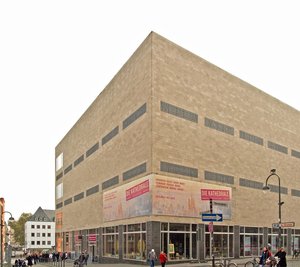
Wallraf-Richartz-Museum, KelnasWallraf-Richartz-Museum Kelnas 1 Ponds in Giverny

Blanche Hoschedé-Monet darbai per metus: kiekvieno unikalūs originalūs kūriniai

Ilgi31 metų karjera, nuo 1895 iki 1925: garsiausi Blanche Hoschedé-Monet originalūs darbai, pateikiami metais po metų.

Darbai pagal metus

Pasirinkite metus, kad pamatytumėte originalus darbus.

Blanche Hoschedé-Monet tapų klausimai galerijai

Koks yra garsiausias Blanche Hoschedé-Monet kūrinys?Atsakymas

Giverny, Willow and Roses. Toliausiai eina Wistarias at Giverny ir Water lilies.

Kurios Blanche Hoschedé-Monet dešimt paveikslų yra garsiausi?Atsakymas

Giverny, Willow and Roses, Wistarias at Giverny, Water lilies, Giverny, Roses and Waterlilies, The Weeping Willows on the Lily Pond at Giverny, Beach on the Norman Coast, Ponds in Giverny, The Garden at Giverny, Blue House in the Outskirts of Giverny ir Giverny. Viršuje esančioje reitingo sąraše nurodyta kiekvieno kūrinio metis ir muziejus.

Kiek žinoma Blanche Hoschedé-Monet darbų?Atsakymas

Mūsų kataloge yra 13 Blanche Hoschedé-Monet darbų, skirtų laikotarpiui nuo 1895 iki 1925.

Kur galima pamatyti garsiausių Blanche Hoschedé-Monet originalų?Atsakymas

Daugiausia – Columbus Museum of Art (Kolumbus), Musée Alphonse-georges Poulain (Vernon) ir Wallraf-Richartz-Museum (Kelnas). Viršuje esančiame muziejų sąraše yra visi jie.

Kuris iš garsių Blanche Hoschedé-Monet paveikslų yra pirmasis, o kuris – paskutinis?Atsakymas

Šioje pusėje seniausias darbas yra The Weeping Willows on the Lily Pond at Giverny (1895), o naujausias – Beach on the Norman Coast (1925).

Kokia temos Blanche Hoschedé-Monet mėgavosi?Atsakymas

Tree (2), Pink flowers (2) ir House (2) iš 13 šioje pusėje esamų darbų.

Kuriomis medžiagomis Blanche Hoschedé-Monet tapė dažniausiai?Atsakymas

Oil, iš 13 šios puslapio darbų – 3.

Blanche Hoschedé-Monet: meno kūrinys – autoportretas

Blanche Hoschedé Monet: A Silent Companion to Impressionism

Within the luminous and often turbulent tapestry of the Impressionist movement, certain names shine with an undeniable brilliance, while others exist in a soft, peripheral glow. Blanche Hoschéde Monet (1865-1947) belongs to that evocative second category—a figure of quiet, profound artistry whose life was inextricably woven into the very fabric of Giverny. Born in Paris on November 10th, 1865, Blanche was the daughter of Ernest Hoschéde, a prominent businessman and a vital patron to Claude Monet. Her early years were marked by the intersection of commerce and high art, as her father’s collection helped nurture the burgeoning talent of the man who would become her mentor, step-father, and eventually, her husband.

The trajectory of Blanche’s life was irrevocably altered by the shifting fortunes of her family. When Ernest Hoschéde’s financial empire crumbled in 1877, the subsequent auction of his collection forced a relocation to the picturesque landscape of Vétheuil. It was here, amidst the sweeping river views and pastoral serenity, that Blanche began to find her own artistic voice. While history often remembers her through the lens of her relationship with Claude Monet, her presence in Giverny was far more than that of a mere relative; she was a dedicated student and a devoted assistant, absorbing the master’s techniques of en plein air painting and applying them to her own sensitive observations of nature.

The Art of Light and the Giverny Legacy

Blanche’s artistic development was characterized by a deep, rhythmic connection to the seasonal cycles of the gardens at Giverny. As she moved through the roles of student and collaborator, her brushwork began to mirror the ephemeral qualities of light and atmosphere that defined the Impressionist era. She did not merely paint landscapes; she documented the soul of the garden. Her works often focused on the delicate interplay between water, flora, and light, capturing the weeping willows and the floating lilies with a precision that felt both intimate and expansive.

Her technical approach was heavily influenced by her close proximity to Monet’s late-period masterpieces. She learned to navigate the complexities of color theory and the way light dissolves form, yet she maintained a distinct sensibility. Her landscapes often possess a certain stillness—a contemplative quality that distinguishes them from the more energetic brushstrokes of her contemporaries. This period of her life was also marked by artistic exchange; she collaborated with American expatriates such as Theodore Earl Butler and John Leslie Breck, creating works that blended French Impressionist traditions with a fresh, transatlantic perspective.

A Lasting Impression on Art History

Though for many decades her name was whispered in the shadows of the Monet legacy, modern art history has begun to reclaim Blanche Hoschéde Monet as a significant painter in her own right. Her significance lies not only in her technical skill but in her role as a custodian of the Giverny aesthetic. She lived through the transformation of the Impressionist movement from a radical new way of seeing into a celebrated pillar of art history, and her paintings serve as vital primary documents of that era's atmosphere.

Today, her legacy is preserved in various collections and institutions, most notably within the Musée Blanche Hoschedé-Monet (formerly the Musée Municipal A.g. Poulain de Vernon). To study her work is to experience a more intimate version of Impressionism—one that is less about the grand spectacle of light and more about the quiet, enduring beauty found in the corners of a beloved garden. Her life remains a testament to the power of artistic devotion and the subtle, indelible marks left by those who work alongside greatness.