Beatriz Milhazes portretas

17 garsiausių Beatriz Milhazes paveikių – kiekvienas yra unikalus

Atnaujinta lapkritis 2026 · pagal mūsų populiarumumo koeficientą (paieškos, lankytojai ir užsakymai kiekvienam kūriniui) · 18 Beatriz Milhazes darbai mūsų kataloge

Trumpai tariant

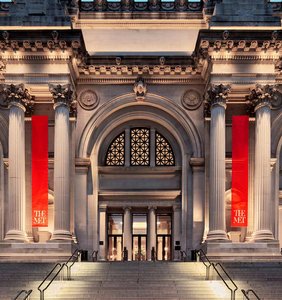
The Beach (A Praia) (1997) yra viena iš labiausiai žaičiamosių Beatriz Milhazes tapierių; originalas priklauso Metropolitano meno muziejus, Niujorkas. Po to akmuo patenka į Sem Título [Untitled] (1987) ir Figo (2006). Iš 18 Beatriz Milhazes darbų mūsų kataloge šios 17 yra garsiausios – kiekvienas yra unikali originali dai̇lia, pateikta su jos metais, muziejumi ir priežastimi, kodėl ji išlieka per amžius.

gimęs 1960, Rio de Janeiro Daugiausia darbų: Metropolitano meno muziejus

10 geriausių Beatriz Milhazes paveikslų: galerijos akimais

1
The Beach (A Praia) (1997) aut. Beatriz Milhazes

The Beach (A Praia)

1997 · Mixed Media · Metropolitano meno muziejus, Niujorkas

To stand before Beatriz Milhazes’ work is to be enveloped in a riotous celebration—a visual symphony that pulses with the relentless, joyous energy of Brazil itself. In "The Beach (A Praia)," Milhazes does not merely depict a scene; she constructs an immersive cultural tapestry. While the photo description suggests a lively beach tableau populated by figures and birds, the true subject matter is far richer: it is a confluence of…

2
Sem Título [Untitled] (1987) aut. Beatriz Milhazes

Sem Título [Untitled]

1987 · Acrylic On Canvas · Pinacoteca do Estado de São Paulo, S Paule

In the vibrant landscape of contemporary Brazilian art, few voices resonate with as much rhythmic energy and kaleidoscopic brilliance as Beatriz Milhazes. Her 1987 masterpiece, Sem Título [Untitled], serves as a breathtaking window into a world where geometry meets organic exuberance. At first glance, the viewer is met with a striking confrontation: a woman's face emerging from a deep, velvety black background. This stark contrast creates an immediate sense of…

3
Figo (2006) aut. Beatriz Milhazes

Figo

2006 · Acrylic On Canvas

In Figo, Beatriz Milhazes constructs a dense architecture of overlapping forms. Created about 2006, the work rejects a single focal point, opting instead for a crowded field of visual energy. Rectangular blocks sit heavy against the surface, colliding with swirling floral motifs and soft circular shapes. These elements do not merely sit side by side; they interlock and stack, creating a sense of constant, rhythmic movement across the plane.

žinomi Beatriz Milhazes paveikslai, nuo 11 iki 17 numerio

Temos, kurios domino Beatriz Milhazes

Ketverios temos, dažniausiai pasikrausto originaluose, kiekvienos su savo puikiausiu pavyzdžiu.

Muziejai, kuriuose saugomi Beatriz Milhazes originalūs darbai

3 muziejai, kuriuose saugoma daugiausia šioje pusėje esamų paveikslų.

Muzejaus Miestas Beatriz Milhazes darbai Šiojo sąrašo paveikslai
Metropolitano meno muziejus, NiujorkasMetropolitano meno muziejus Niujorkas 1 The Beach (A Praia)
Pinacoteca do Estado de São Paulo, S PaulePinacoteca do Estado de São Paulo S Paule 1 Sem Título [Untitled]
MAM Rio, Rio دي JaneiroMAM Rio Rio دي Janeiro 1 Untitled

Beatriz Milhazes per dešimtmečius: vieniškas originalas kiekvienam

Darbai pagal dešimtmečius

Pasirinkite dešimtmetį, kad pamatytėte jį apibrėžusį originalą.

Beatriz Milhazes tapų klausimai galerijai

Koks yra garsiausias Beatriz Milhazes kūrinys?Atsakymas

The Beach (A Praia) (1997), Metropolitano meno muziejus, Niujorkas. Toliau seka Sem Título [Untitled] (1987) ir Figo (2006).

Kuriu amžiaus Beatriz Milhazes sukūrė The Beach (A Praia)?Atsakymas

37 metų amžiaus: The Beach (A Praia) sukurta 1997 m. Nr. Beatriz Milhazes gimė 1960.

Kurios Beatriz Milhazes dešimt paveikslų yra garsiausi?Atsakymas

The Beach (A Praia), Sem Título [Untitled], Figo, The Kiss, Untitled, The Kiss, Phebo, Carambola, Sugar ir Salt (Diptych). Viršuje esančioje reitingo sąraše nurodyta kiekvieno kūrinio metis ir muziejus.

Kiek žinoma Beatriz Milhazes darbų?Atsakymas

Mūsų kataloge yra 18 Beatriz Milhazes darbų, skirtų laikotarpiui nuo 1987 iki 2009.

Kur galima pamatyti garsiausių Beatriz Milhazes originalų?Atsakymas

Daugiausia – Metropolitano meno muziejus (Niujorkas), Pinacoteca do Estado de São Paulo (S Paule) ir MAM Rio (Rio دي Janeiro). Viršuje esančiame muziejų sąraše yra visi jie.

Kuriuo laikotarpiu Beatriz Milhazes sukūrė savo žymiausias paveikslus?Atsakymas

2000s laikotarpiu: 12 iš 17 šioje pusėje esančių darbų buvo sukurtos tada, iš jų Figo.

Kuris iš garsių Beatriz Milhazes paveikslų yra pirmasis, o kuris – paskutinis?Atsakymas

Šioje pusėje seniausias darbas yra Sem Título [Untitled] (1987), o naujausias – Sugar (2009).

Kokia temos Beatriz Milhazes mėgavosi?Atsakymas

Geometric abstraction (2), Female figure (2) ir Circles (2) iš 17 šioje pusėje esamų darbų.

Kuriomis medžiagomis Beatriz Milhazes tapė dažniausiai?Atsakymas

Mixed Media, iš 17 šios puslapio darbų – 2.

Beatriz Milhazes: meno kūrinys – autoportretas

A Kaleidoscope of Brazilian Modernism

Beatriz Milhazes stands as a luminous figure in the contemporary art world, a painter whose work vibrates with the rhythmic energy of her native Rio de Janeiro. Born in 1960, Milhazes emerged from a landscape where the transition from military dictatorship to political freedom sparked a profound creative resurgence known as the Geração 80. Her upbringing was steeped in a rich cultural tapestry; with a father who was a lawyer and a mother an art historian, she was raised amidst a deep appreciation for both formal aesthetics and the complex narratives of Brazilian identity. This foundation allowed her to develop a visual language that is simultaneously deeply local and universally accessible, blending the high-minded principles of European modernism with the exuberant, sensory textures of Brazilian life.

The artist’s early academic journey at the Escola de Artes Visuais Parque Lage provided the fertile ground necessary for her experimentation. It was here that she began to synthesize disparate influences into a singular vision. Her work is a masterful dialogue between the structured geometry of Piet Mondrian and the Bauhaus movement, and the fluid, organic ornamentation found in the works of Henri Matisse and the Brazilian icon Tarsila do Amaral. Milhazes does not merely reference these masters; she reinterprets them through a lens of tropicality, where the sharp edges of abstraction are softened by the swirling motifs of carnaval, samba, and the lush flora of the tropics.

The Alchemy of Layered Light

What truly distinguishes a Milhazes masterpiece is her idiosyncratic and mesmerizing technique, a process that defies the traditional boundaries between painting and collage. In the mid-1990s, she perfected a method of "collaging paint" that has become her artistic signature. Rather than applying pigment directly to a canvas in a conventional manner, she paints vibrant, abstract designs onto transparent plastic sheets. These layers are then meticulously transferred to the canvas, a repetitive and rhythmic process that allows her to build complex, multi-dimensional textures while maintaining a deceptively flat surface. This technique creates a sense of temporal depth, as if several moments of creation have been compressed into a single, luminous plane.

This method serves her broader conceptual goal: to minimize the visible "hand" of the painter and instead focus on the pure interplay of color and form. The resulting compositions are a dizzying array of circles, squares, and floral patterns that evoke the optical dynamism of Op Art. Her palette is famously saturated, reflecting the intense sunlight of Rio de Janeiro and the kaleidoscopic variety of popular Brazilian fabrics, ceramic tiles, and colonial Baroque architecture. In her hands, the canvas becomes a site of "conceptual carnavalesca," where high art and popular culture collide in a celebratory explosion of pattern.

A Global Legacy and Architectural Vision

As her career progressed, Milhazes’ reach extended far beyond the confines of the traditional frame. She began to treat space itself as a medium, creating large-scale architectural installations and site-specific interventions that transform institutional environments into immersive experiences. From the Tate Modern in London to the Fondation Cartier in Paris, her work has breathed new life into prestigious global venues, proving that her language of pattern and color is truly international. These projects, such as her reconstructed architectural models for Pinturas Nômades, demonstrate her ability to translate the intimacy of a painting into the grandeur of public space.

The historical significance of Beatriz Milhazes lies in her ability to navigate the tension between local identity and global modernism. She has successfully reclaimed Brazilian motifs—once viewed through a purely folkloric lens—and elevated them into the realm of sophisticated, high-concept abstraction. Her work remains a testament to the power of synthesis, proving that an artist can be deeply rooted in their own soil while speaking a language that resonates across continents. Through her layered histories and vibrant geometries, Milhazes continues to invite viewers into a world where every stroke is a celebration of life, movement, and the enduring beauty of the unexpected.