Bartolomeo Passarotti portretas

56 garsiausių Bartolomeo Passarotti paveikių rinkinys: galerijos išboru

Atnaujinta lapkritis 2026 · pagal mūsų populiarumumo koeficientą (paieškos, lankytojai ir užsakymai kiekvienam kūriniui) · 59 Bartolomeo Passarotti darbai mūsų kataloge

Trumpai tariant

Iš visų paliktų originalų kūrinių Bartolomeo Passarotti garsiausias yra Portrait of an old woman (1582), esantis Kunsthistorisches Museum kolekcijoje, Viena. Tiesiog už jų seka The Anatomy Lesson (1550) ir Family Portrait (1585). Mūsų kataloge yra 59 darbų autoriaus Bartolomeo Passarotti; galerija išsaugojo 56 labiausiai pasaulyje žyminiausių kūrinių – kiekvienas jų pateikiamas su datos, muziejaus ir istorijos aprašymu.

1529 – 1592, Bolonija Mannerism Daugiausia darbų: Museo del Prado

Bartolomeo Passarotti geriausios 10 paveikslų: galerijos pasirinkimas

1
Portrait of an old woman (1582) aut. Bartolomeo Passarotti

Portrait of an old woman

1582 · Oil On Canvas · Kunsthistorisches Museum, Viena

The Portrait of an old woman is a work by Bartolomeo Passarotti. Created around 1582, this oil on canvas belongs to the portrait genre. It captures a single subject, an elderly woman, in a moment of quiet presence. The sitter faces the viewer with a steady, unadorned gaze.

2
The Anatomy Lesson (1550) aut. Bartolomeo Passarotti

The Anatomy Lesson

1550 · Oil · Galleria Borghese, Roma

The oil painting titled The Anatomy Lesson brings us into a crowded, intense moment of scholarly inquiry. Created by Bartolomeo Passarotti, this work captures a dramatic academic demonstration. The scene centers on an open human body, laid out for study. A professor, dressed in ecclesiastical attire, leads the lesson. He directs the attention of a group of listeners who gather closely to witness the unfolding dissection. The body rests above…

3
Family Portrait (1585) aut. Bartolomeo Passarotti

Family Portrait

1585 · Oil On Canvas · Kunsthistorisches Museum, Viena

In this vertical composition from around 1585, we find ourselves in the presence of three generations, brought together in a quiet, somber arrangement. The painting depicts an older widow seated with a grown son standing behind her, while a small child stands before them. There is a certain stillness to the grouping, a sense of social hierarchy expressed through their physical placement and stoic expressions. The figures are tightly clustered…

6
Saint Jerome (1550) aut. Bartolomeo Passarotti

Saint Jerome

1550 · Oil On Canvas · National Gallery of Ireland, Dublin

A muscular, semi-nude ascetic occupies the center of a rugged landscape. His skin, a stark white against the warm ochre and tan of the earth, catches a sharp light that carves out the heavy anatomy of his torso. He is a figure of monumental presence, positioned vertically to command the space. Deep shadows cling to the contours of his muscles, creating a sense of three-dimensional volume that feels heavy and…

7
The Fishmongers (1550) aut. Bartolomeo Passarotti

The Fishmongers

1550 · Oil On Canvas

The air in the scene feels heavy with the scent of salt and wet scales. A dense crowd gathers around a bounty of seafood, their bodies pressed close in a crowded, intimate space. An older man with a grey beard anchors the composition, his presence steady amidst the movement. Beside him, a younger man opens his mouth in a wide, theatrical expression, while a child looks upward, eyes searching the…

8
Self-portrait (1560) aut. Bartolomeo Passarotti

Self-portrait

1560 · Oil On Panel

The oil painting on panel presents a tightly framed view of Bartolomeo Passerotti, focusing on his face and upper torso. The subject is positioned in a one-point perspective, directing the viewer's gaze toward his features. A dark color palette dominates the work, utilizing shades of brown, black, and muted green. Light enters the scene to create strong contrasts, sculpting the musculature of the face and the folds of the garment.…

9
Portrait of a Scribe (1560) aut. Bartolomeo Passarotti

Portrait of a Scribe

1560 · Oil On Canvas

In this 1560 oil on canvas, we find ourselves in the private, silent world of a scholar. The subject, a man engaged in the act of writing, is seated at a desk, his presence defined by a sense of focused intellectualism. There is a certain stillness here, a moment captured where the only sound is the scratching of a quill against parchment. The composition is centered and formal, drawing the…

10
Three Men with Two Dogs (1550) aut. Bartolomeo Passarotti

Three Men with Two Dogs

1550 · Oil On Canvas

The composition centers on three men positioned in a tight, intimate arrangement. A central figure holds a glass containing a reddish liquid, acting as the focal point of the group. To his side, another man appears to play a flute, while the third man engages with the others in a shared social moment. Two dogs are integrated into the lower portion of the frame, their forms resting near their human…

Bartolomeo Passarotti darba rinkinys tęsiamas, nuo 11 iki 56

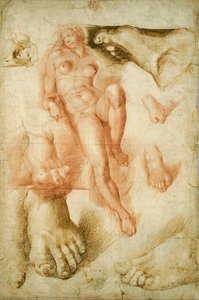
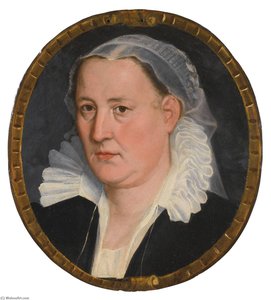
11Portrait of the Physician Carlo Fontana (1570) aut. Bartolomeo PassarottiPortrait of the Physician Carlo Fontana1570 · Museum of Fine Arts Ghent (MSK) 12Portrait of Pope Pius V (1579) aut. Bartolomeo PassarottiPortrait of Pope Pius V1579 13Portrait of a Young General (1575) aut. Bartolomeo PassarottiPortrait of a Young General1575 14Pope Gregory XIII (1580) aut. Bartolomeo PassarottiPope Gregory XIII1580 · Gemäldegalerie 15Portrait of a Man (1580) aut. Bartolomeo PassarottiPortrait of a Man1580 · Harvard Art Museums 16Poultry dealer (1580) aut. Bartolomeo PassarottiPoultry dealer1580 · Fondazione di Studi di Storia dell'Arte Roberto Longhi 17Blood of the Redeemer aut. Bartolomeo PassarottiBlood of the RedeemerMuseum of Fine Arts 18Portrait of Ignazio Danti (1597) aut. Bartolomeo PassarottiPortrait of Ignazio Danti1597 · Musée Des Beaux 19Portrait of a Man Playing a Lute (1576) aut. Bartolomeo PassarottiPortrait of a Man Playing a Lute1576 · Museum of Fine Arts 20Copy after Michelangelo (1550) aut. Bartolomeo PassarottiCopy after Michelangelo1550 · Nelson-Atkins Museum of Art 21DIANE CHASSERESSE aut. Bartolomeo PassarottiDIANE CHASSERESSELiuvro muziejus 22The Holy Family with St Elizabeth and the Infant St John the Baptist (1572) aut. Bartolomeo PassarottiThe Holy Family with St Elizabeth and the Infant St John the Baptist1572 23Portrait of a Young Man Holding a Statuette (1575) aut. Bartolomeo PassarottiPortrait of a Young Man Holding a Statuette1575 24Portrait of a Man with a Dog (detail) (1585) aut. Bartolomeo PassarottiPortrait of a Man with a Dog (detail)1585 · Pinacoteca Capitolina 25The Fishmonger's Shop (1580) aut. Bartolomeo PassarottiThe Fishmonger's Shop1580 · Galleria Nazionale d’Arte Antica 26Portrait of a Man with a Dog (1585) aut. Bartolomeo PassarottiPortrait of a Man with a Dog1585 · Pinacoteca Capitolina 27Study of Male Nudes Fighting (1572) aut. Bartolomeo PassarottiStudy of Male Nudes Fighting1572 28Perseus frees Andromeda (1575) aut. Bartolomeo PassarottiPerseus frees Andromeda1575 29Family portrait aut. Bartolomeo PassarottiFamily portraitGemäldegalerie Alte Meister 30Saint John Baptist, Saint Jerome and Saint Francis of Assisi aut. Bartolomeo PassarottiSaint John Baptist, Saint Jerome and Saint Francis of AssisiStrasburgos gražiųjų rūšų muziejus 31Lute palyer aut. Bartolomeo PassarottiLute palyer 32Portrait d'homme en armure aut. Bartolomeo PassarottiPortrait d'homme en armure 33A Butchery (1575) aut. Bartolomeo PassarottiA Butchery1575 · Galleria Nazionale d’Arte Antica 34Male Nude (1550) aut. Bartolomeo PassarottiMale Nude1550 · Museo del Prado 35Copy of a Statue with A Female Nude From Back (1550) aut. Bartolomeo PassarottiCopy of a Statue with A Female Nude From Back1550 · Museo del Prado 36Lucretia's Suicide (1550) aut. Bartolomeo PassarottiLucretia's Suicide1550 37Portrait of a Botanist (Ulisse Aldrovandi.) (1570) aut. Bartolomeo PassarottiPortrait of a Botanist (Ulisse Aldrovandi.)1570 · Galleria Spada 38Portrait of Pope Pius V (1566) aut. Bartolomeo PassarottiPortrait of Pope Pius V1566 · Walters Art Museum 39Portrait of a Lady with a Dog (1569) aut. Bartolomeo PassarottiPortrait of a Lady with a Dog1569 40Double Portrait of Musicians (1579) aut. Bartolomeo PassarottiDouble Portrait of Musicians1579 · Kapitolijos muziejai 41Double Dressed Portrait of Circe and Ulysses (1575) aut. Bartolomeo PassarottiDouble Dressed Portrait of Circe and Ulysses1575 42Copy of the Good Thief, From the Last Judgement of Michelangelo (1570) aut. Bartolomeo PassarottiCopy of the Good Thief, From the Last Judgement of Michelangelo1570 · Museo del Prado 43The Holy Family Accompained by an Angel and two Saints (1565) aut. Bartolomeo PassarottiThe Holy Family Accompained by an Angel and two Saints1565 · Museo del Prado 44Portrait of a Gentleman (1580) aut. Bartolomeo PassarottiPortrait of a Gentleman1580 45Nude Studies (1580) aut. Bartolomeo PassarottiNude Studies1580 46Portrait of a Cavalier with his Hunting Dogs (1580) aut. Bartolomeo PassarottiPortrait of a Cavalier with his Hunting Dogs1580 · Rhode Island School of Design Museum of Art 47The Coronation of the Virgin with Saints Luke, Dominic, and John the Evangelist (1580) aut. Bartolomeo PassarottiThe Coronation of the Virgin with Saints Luke, Dominic, and John the Evangelist1580 · Art Gallery of South Australia 48St. Dominicus and the Albigensians (1580) aut. Bartolomeo PassarottiSt. Dominicus and the Albigensians1580 · Pinacoteca Nazionale di Bologna 49Domenico Giuliani and His Servant aut. Bartolomeo PassarottiDomenico Giuliani and His Servant 50Portrait of an Old Woman aut. Bartolomeo PassarottiPortrait of an Old Woman 51A Group of Six Men, Including a Self Portrait aut. Bartolomeo PassarottiA Group of Six Men, Including a Self Portrait 52Portrait of a lady, head and shoulders aut. Bartolomeo PassarottiPortrait of a lady, head and shouldersBavarijos valstybinės paveikslų kolekcijos 53Portrait of an Unknown Soldier in Armour aut. Bartolomeo PassarottiPortrait of an Unknown Soldier in ArmourNational Trust 54Holy Family with the Infant St John the Baptist and St Catherine of Alexandria aut. Bartolomeo PassarottiHoly Family with the Infant St John the Baptist and St Catherine of AlexandriaChristian Museum 55Two market women and a boy with chicken and vegetables aut. Bartolomeo PassarottiTwo market women and a boy with chicken and vegetablesGemäldegalerie 56The Butcher's Shop (1580) aut. Bartolomeo PassarottiThe Butcher's Shop1580 · Galleria Nazionale d’Arte Antica

žymios Bartolomeo Passarotti tapiojamos, pagal laikotarpį

Temos, kurios domino Bartolomeo Passarotti

Ketverios temos, dažniausiai pasikrausto originaluose, kiekvienos su savo puikiausiu pavyzdžiu.

Muziejai, kuriuose saugomi Bartolomeo Passarotti originalūs darbai

8 muziejai, kuriuose saugoma daugiausia šioje pusėje esamų paveikslų.

Muzejaus Miestas Bartolomeo Passarotti darbai Šiojo sąrašo paveikslai
Museo del Prado, MadridasMuseo del Prado Madridas 4 Male Nude, Copy of a Statue with A Female Nude From Back, Copy of the Good Thief, From the Last Judgement of Michelangelo
Kunsthistorisches Museum, VienaKunsthistorisches Museum Viena 3 Portrait of an old woman, Family Portrait, Portrait of the physician Carlo Fontana
Galleria Nazionale d’Arte Antica, RomaGalleria Nazionale d’Arte Antica Roma 3 The Fishmonger's Shop, A Butchery, The Butcher's Shop
Bavarijos valstybinės paveikslų kolekcijos, MiunchasBavarijos valstybinės paveikslų kolekcijos Miunchas 2 Portrait of a Man, Portrait of a lady, head and shoulders
Museum of Fine Arts, BostonasMuseum of Fine Arts Bostonas 2 Blood of the Redeemer, Portrait of a Man Playing a Lute
Pinacoteca Capitolina, RomaPinacoteca Capitolina Roma 2 Portrait of a Man with a Dog (detail), Portrait of a Man with a Dog
Galleria Borghese, RomaGalleria Borghese Roma 1 The Anatomy Lesson
National Gallery of Ireland, DublinNational Gallery of Ireland Dublin 1 Saint Jerome

Bartolomeo Passarotti dešimtmetėms po dešimtmetės: originalus kūrinys, apibūdinantis kiekvieną iš jų

Darbai pagal dešimtmečius

Pasirinkite dešimtmetį, kad pamatytėte jį apibrėžusį originalą.

Kolekcjonerų klausimai apie Bartolomeo Passarotti paveikslus

Kuriu darbu Bartolomeo Passarotti yra labiausiai garsus?Atsakymas

Portrait of an old woman (1582), Kunsthistorisches Museum, Viena. Toliau seka The Anatomy Lesson (1550) ir Family Portrait (1585).

Kokia buvo Bartolomeo Passarotti amžius, kai buvo sukurtas Portrait of an old woman?Atsakymas

53 metų amžiaus: Portrait of an old woman sukurta 1582 m. Nr. Bartolomeo Passarotti gimė 1529.

Kokie yra 10 garsiausių Bartolomeo Passarotti paveikslų?Atsakymas

Portrait of an old woman, The Anatomy Lesson, Family Portrait, Portrait of the physician Carlo Fontana, Portrait of a Man, Saint Jerome, The Fishmongers, Self-portrait, Portrait of a Scribe ir Three Men with Two Dogs. Viršuje esančioje reitingo sąraše nurodyta kiekvieno kūrinio metis ir muziejus.

Kiek paveikslų paliko Bartolomeo Passarotti?Atsakymas

Mūsų kataloge yra 59 Bartolomeo Passarotti darbų, skirtų laikotarpiui nuo 1550 iki 1585.

Kuriuose muziejuose eksponuojami Bartolomeo Passarotti šedevrai?Atsakymas

Daugiausia – Museo del Prado (Madridas), Kunsthistorisches Museum (Viena) ir Galleria Nazionale d’Arte Antica (Roma). Viršuje esančiame muziejų sąraše yra visi jie.

Kuriomis metais Bartolomeo Passarotti tapo savo garsiausius kūrinius?Atsakymas

1580s laikotarpiu: 15 iš 56 šioje pusėje esančių darbų buvo sukurtos tada, iš jų Portrait of an old woman.

Kokie yra pirmasis ir paskutinis garsieji Bartolomeo Passarotti originalūs darbai?Atsakymas

Šioje pusėje seniausias darbas yra The Anatomy Lesson (1550), o naujausias – Family Portrait (1585).

Kurią temą Bartolomeo Passarotti rinkosi dažniausiai?Atsakymas

Man (19), Beard (8) ir Book (6) iš 56 šioje pusėje esamų darbų.

Kurią techniką Bartolomeo Passarotti naudojo dažniausiai?Atsakymas

Oil On Canvas, iš 56 šios puslapio darbų – 18.

Kelią meno kryptį priklauso Bartolomeo Passarotti?Atsakymas

Mannerism ir Renaissance, vadovaujantis šios puslapio originalais kūriniais.

Kurių Bartolomeo Passarotti darbai eksponuojami Museo del Prado?Atsakymas

Male Nude, Copy of a Statue with A Female Nude From Back ir Copy of the Good Thief, From the Last Judgement of Michelangelo: Museo del Prado, Madridas kolekcijoje yra 4 šioje pusėje esančių darbų.

Bartolomeo Passarotti: gyvenimas ir kūryba

Bolonijos manierizmo šlovės meistras

Gyvybingoje, nuolat besikeičiančio XVI amžiaus pavojaus viduryje nedarbingas menininkas, kaip Bartolomeo Passarotti, su mampu įgūdžiais pertegė perėjimą nuo struktūrizuotos Aukštojo Renesanso elegancijos iki dramatiškos Baroko intensyvumo. 1529 m. gimęs Bolonijoje, Passarotti tapo ne tik paveiksluotoju, bet ir svarbiausia tiltu tarp skirtingų epochų. Jo ankstyvoji kūrybos etapa buvo apibūdinamas giliu pasindulimu į Romos meno aplinką, kur 1550–1555 m. jis ieškojo mokymo tokio masto meistrų kaip Giacomo Barozzi da Vignola} ir Taddeo Zuccari. Šis romų mokymų laikotarpis buvo transformatyvus; jis įsidiegsino gilią pagarbą klasikinę antikos kultūrai bei humanistiniam tikslui – anatominiam tikslumui ir subalansuotai kompozicijai, net ir tada, kai jis pradėjo eksperimentuoti su ilgesnėmis ir sudėtingomis formomis, kurios vėliau tapo manierizmo judėjimo bruzdžiu.

Grįžęs į savo gimtinę Boloniją, Passarotti ne tiesiog prisitaikė prie vietinės praktikos; jis sukūrė formu griže meninę galios centrą. Jo studija tapo inovacijų lopinai, pritraukiančiu talentų kartą, kuri galiausiai performuoti Europos meną. Vienas iš jo žyminiausių mokinių buvo Agostino Carracci, Lucio Massari ir Francesco Brizzi—menininkai, kurie savo stilistinių eksperimentų sėklas išnešė į besivelduantį Baroko erą. Ši mentorystės erklaikė užtikrino, kad Passarotti įtampa išsiplaištų kurioje nors už savo darbo dirbtuvės sienų, nes jo požiūris į šviesą, tekstūrą ir tematiką persisavino pačioje Bolonijos mokyklos esmėje.

Genro ir dramos tapetė

Passarotti kūryba yra garsėjanti dėl savo neįtikėtino universumo, apimdančio spektrą nuo dieviškumo iki giliai žemiškų temų. Jis turėjo unikalią gebėjimą naviguoti tarp grandingų religinių altorių paveikslų ir intymių, dažnai šiurkščių, genro scenų. Jo darbuose dažnai pastebimas stulbinantis chiaroscuro naudojimas, pasižymintis aštriu šviesos ir šešėlio kontrastu, kuris suteikia savo subtjekto psichologinę galybę ir fizinį nærungį. Ši technika, kuri iš anksto užperėgavo dramatišką apšvietimą, vėliau tobulintą Caravaggio, leido jam įpūsti gyvybę tiek mitologinėms figūroms, tiek kasdienybės darbuotojams.

Genro paveiksluose Passarotti rodė neįtikėtiną dėmesį detalėms ir susidraudimą su kasdienybės tekstūromis. Tokie darbai kaip Priešmės parduotuvė (1580) tarnauja kaip įtraukiantys langai į vėlyvojo Renesanso pasaulį, demonstruojant šiltų tonų meistrišką valdymą ir realistišką bendruomenės gyvenimo vaizdavimą. Panaipiai, jo gebėjimas atvaizduoti dieviškumą yra akivaizdus tokiuose kūriniuose kaip Diana Medeine, kur Romos medžiotojos dievė suformuota dinamiška, raumenų jėga, įkūnijanti patį manierizmo energijos esmę. Ar tai būtų rami Lutės grozėja vienatvė, ar religinės atsidavimo solemnumas, jo brushio traukimai nuolat siekė įamžinti trumpalaikę įtampą tarp idealio ir realaus.

Palikimas ir istorinė reikšmė

Nors istorija kartais užmiršta Passarotti, teikdama pirmenybę labiau revoliuciniams figūroms, tokiems kaip Michelangelo, jo svarba evoliuojant Italijos menui yra neabejinga. Jis buvo perėjimo meistras, menininkas, kuris suprato, kaip pagarbiai žiūrėti į klasikiną praeitį ir kartu ruošti pagrindus emociniam turbulentiškumui kitos šalties. Jo vėlesni darbai, įkvėpti tokio Tuscijos modelių kaip Giorgio Vasari ir Prospero Fontana, demonstruoja nuolatinę evoliuciją ir neišnykdantį smalsumą apie besikeičančius estetinio sk taste.

Bartolomeo Passarotti istorinė reikšmė slypi jo vaidmenio kaip Carracci akademijos ir platesnios Bolonijos tradicijos įkūrėjo. Jo gyvenimo kūryba—detalus anatominis tyrimas, dramatiškas apšvietimas ir gilus susidomėjimas žmogiškąja būseną—lieka Manierizmo neblėstanti galios įžymė. Per savo studiją, mokinius ir įkvepiantius płatnus płatnus, Passarotti užtikrino, kad Bolonijos dvasia liktų Europos meno dialogo širdyje daugybę kartų.