

1


Atnaujinta lapkritis 2026 · pagal mūsų populiarumumo koeficientą (paieškos, lankytojai ir užsakymai kiekvienam kūriniui) · 11 Arthur George Bell darbai mūsų kataloge
Trumpai tariant
Iš visų originalų, kuriuos paliko Arthur George Bell, garsiausias yra Christchurch, Hampshire (1892). Tiesiog už jų seka Autumn Scene, Hengistbury Head from Southbourne ir Woodland River Scene. Mūsų kataloge yra 11 darbų autoriaus Arthur George Bell; galerija išsaugojo 11 labiausiai pasaulyje žyminiausių kūrinių – kiekvienas jų pateikiamas su datos, muziejaus ir istorijos aprašymu.


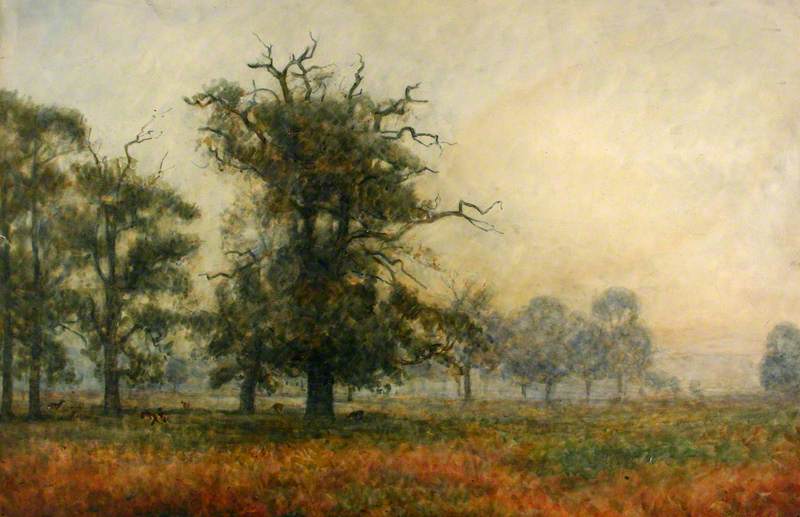


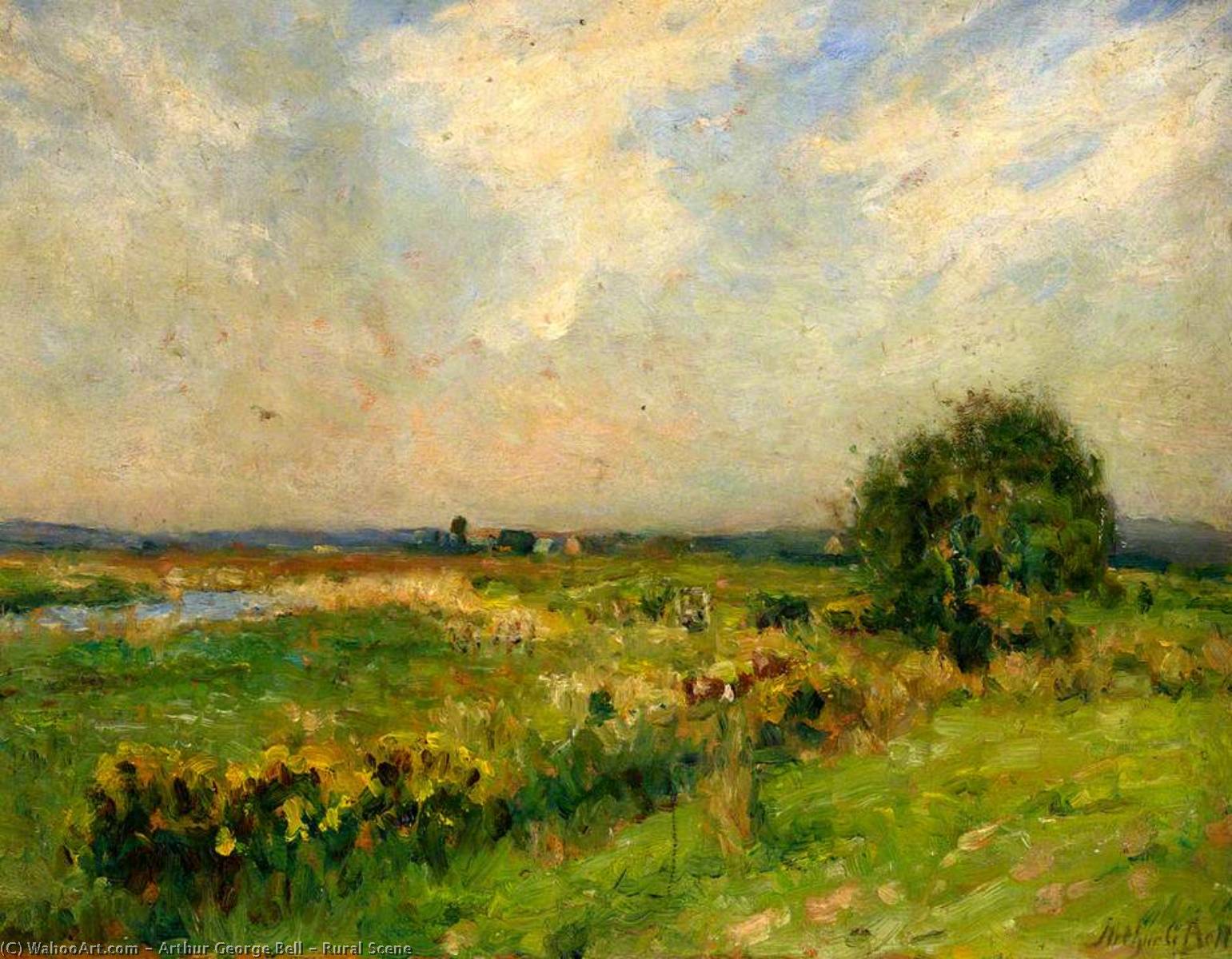

Ketverios temos, dažniausiai pasikrausto originaluose, kiekvienos su savo puikiausiu pavyzdžiu.
1 muziejai, kuriuose yra daugiausia šioje puslapyje esamų paveikslų.
| Muzejaus | Miestas | Arthur George Bell darbai | Šiojo sąrašo paveikslai |
|---|---|---|---|
 Red House Museum And Gardens |
Kraitččerčh | 2 | Lane near Burton, Dorset, Digging and Drying Peat |
Nuo 1892 iki 1913, Arthur George Bell kūrė 22 metų: šiame rinkinyje pristatoma ilga kūrybos kelionė, apimanti geriausius originalius darbus metus po metų.
Pasirinkite metus, kad pamatytumėte originalus darbus.
Christchurch, Hampshire (1892). Toliausiai eina Autumn Scene, Hengistbury Head from Southbourne ir Woodland River Scene.
43 metų amžiaus: Christchurch, Hampshire sukurta 1892 m. Nr. Arthur George Bell gimė 1849.
Christchurch, Hampshire, Autumn Scene, Hengistbury Head from Southbourne, Woodland River Scene, View of Christchurch Priory from Warren Head, Christchurch, Silver Light, City Smoke, a View of the River Avon at Bradford on Avon, Richmond Park, River Scene, Lane near Burton, Dorset, Rural Scene ir Digging and Drying Peat. Viršuje esančioje reitingo sąraše nurodyta kiekvieno kūrinio metis ir muziejus.
Mūsų kataloge yra 11 Arthur George Bell darbų, skirtų laikotarpiui nuo 1892 iki 1913.
Daugiausia – Red House Museum And Gardens (Kraitččerčh). Viršuje esančiame muziejų sąraše yra visi jie.
Šioje pusėje seniausias darbas yra Christchurch, Hampshire (1892), o naujausias – Richmond Park (1913).
Tranquility (3), Landscape (2) ir Rural (2) iš 11 šioje pusėje esamų darbų.
Lane near Burton, Dorset ir Digging and Drying Peat: Red House Museum And Gardens, Kraitččerčh kolekcijoje yra 2 šioje pusėje esančių darbų.
Arthur George Bell stands as a singular figure in British landscape painting, a chronicler of the Dorset countryside and its rhythms whose canvases capture not merely visual beauty but also the very spirit of rural life at the turn of the century. Born around 1867 into a family of farmers in Dorset, England, Bell possessed an innate connection to the land that would profoundly shape his artistic vision. His heritage provided him with a deep-seated understanding of the seasonal shifts and the quiet labor of the countryside, allowing him to transform ordinary scenery into evocative depictions that resonate with both emotion and memory. While he may have been overshadowed by more celebrated contemporaries during his lifetime, his meticulous observation and deeply felt connection to his surroundings cemented his reputation as one of Dorset's foremost artists.
The development of Bell’s distinctive style was significantly shaped by his formal training at the prestigious Slade School of Fine Art in London during the late 19th and early 20th centuries. It was here that he encountered the transformative power of Impressionism, absorbing the techniques of masters such as Claude Monet and Pierre-Auguste Renoir. This exposure proved pivotal, steering him away from rigid academic traditions that favored studio-bound renderings toward the practice of plein air painting. By prioritizing direct observation, Bell learned to capture the fleeting moments of light, atmosphere, and texture that define a landscape. His work became a study in the ephemeral, seeking to document the silvery sheen of rain-swept meadows and the golden, heavy hues of autumn foliage with a painterly sensitivity.
Bell’s artistry is characterized by a masterful command of light and a meticulous attention to detail achieved through painstaking brushstrokes. He did not merely document the geography of his home; he sought to convey its very essence—the dampness of peat bogs, the ruggedness of the coastline, and the serene stillness of meandering rivers. His approach allowed him to breathe life into his subjects, making the viewer feel the weight of the air and the temperature of the sun. Whether depicting a wide, sweeping vista or a focused, intimate corner of a woodland, Bell utilized an Impressionistic palette to evoke specific moods, ranging from the romantic tranquility of a river scene to the industrious charm of rural labor.
His repertoire of subjects often centered on the recurring motifs of the Dorset landscape, including:
The historical significance of Arthur George Bell lies in his ability to preserve a vanishing way of life through his art. As the turn of the century brought rapid industrialization and social change to England, Bell’s work serves as a vital visual record of the traditional Dorset landscape and its rhythms. His paintings are more than mere landscapes; they are nostalgic windows into a period where the connection between humanity and the earth felt profoundly intimate. Through his dedication to capturing the "soul" of his region, he created a body of work that continues to offer solace and beauty to collectors and scholars alike.
Today, Bell’s legacy is found in the enduring emotional resonance of his canvases. His ability to blend the technical precision of his training with the raw, unadorned beauty of his native soil ensures that his contribution to British landscape painting remains a cherished chapter in the history of art. He remains an artist whose work invites us to slow down, to observe the subtle shifts in light, and to appreciate the quiet majesty of the natural world.


