Adolfo Hohenšteinas portretas

24 garsiausių Adolfo Hohenšteinas paveikių – kiekvienas yra unikalus

Atnaujinta lapkritis 2026 · pagal mūsų populiarumumo koeficientą (paieškos, lankytojai ir užsakymai kiekvienam kūriniui) · 25 Adolfo Hohenšteinas darbai mūsų kataloge

Trumpai tariant

Gnà Lola (mezzo soprano) (1890) yra Adolfo Hohenšteinas paveikslas, kuriuo gausiausia žmonių žavisi. Po to akmuo patenka į Mimi's Costume For Act I Of La Boheme For The Premiere Performance ir Set Design For Act 2 Of Puccini's Opera Tosca. Iš 25 Adolfo Hohenšteinas darbų mūsų kataloge šios 24 yra garsiausios – kiekvienas yra unikali originali dai̇lia, pateikta su jos metais, muziejumi ir priežastimi, kodėl ji išlieka per amžius.

1854 – 1928, Sankt Peterburgas Art nouveau Daugiausia darbų: Teatro dell'Opera di Roma

10 geriausių Adolfo Hohenšteinas paveikslų: galerijos akimais

1
Gnà Lola (mezzo soprano) (1890) aut. Adolfo Hohenšteinas

Gnà Lola (mezzo soprano)

1890 · Watercolor

Gnà Lola (mezzo soprano) is a costume design sketch by Adolfo Hohenstein. Created about 1890, the work functions as a visual blueprint for the character of the same name, a mezzo soprano. The sketch provides a detailed study of the attire intended for the stage, specifically tailored to the requirements of theatrical performance.

2
Mimi's Costume For Act I Of La Boheme For The Premiere Performance aut. Adolfo Hohenšteinas

Mimi's Costume For Act I Of La Boheme For The Premiere Performance

Painting

The scene unfolds through Mimi's Costume For Act I Of La Boheme For The Premiere Performance, a work that captures a specific moment of theatrical history. This piece is the creation of Adolfo Hohenstein, an artist whose life began in Saint Petersburg, Russia, in 1854. His creative spirit traveled through the cultural landscapes of Vienna and Milan, eventually leading him to become a central figure in the visual language of…

3
Set Design For Act 2 Of Puccini's Opera Tosca aut. Adolfo Hohenšteinas

Set Design For Act 2 Of Puccini's Opera Tosca

Watercolor

Set Design For Act 2 Of Puccini's Opera Tosca is a watercolor illustration by Adolfo Hohenstein. The work functions as a visual blueprint for the theatrical environment, focusing on purely architectural and decorative elements. It establishes the physical parameters of the stage through a detailed rendering of an opulent interior space.

4
Tosca - Sketch of Act III (1899) aut. Adolfo Hohenšteinas

Tosca - Sketch of Act III

1899 · Drawing · Teatro dell'Opera di Roma, Roma

In the delicate, evocative strokes of Adolf Hohenstein’s 1899 sketch for Act III of Tosca, we are transported to a moment where theatrical drama meets the timeless majesty of the Eternal City. This piece is far more than a mere preparatory study; it is a window into the soul of Puccini’s operatic masterpiece. Hohenstein, a master of capturing the intersection between human emotion and architectural scale, presents a panoramic view…

žinomi Adolfo Hohenšteinas paveikslai, nuo 11 iki 24 numerio

žymios Adolfo Hohenšteinas tapiojamos, pagal laikotarpį

Temos, kurios domino Adolfo Hohenšteinas

Ketverios temos, dažniausiai pasikrausto originaluose, kiekvienos su savo puikiausiu pavyzdžiu.

Muziejai, kuriuose saugomi Adolfo Hohenšteinas originalūs darbai

1 muziejai, kuriuose yra daugiausia šioje puslapyje esamų paveikslų.

Muzejaus Miestas Adolfo Hohenšteinas darbai Šiojo sąrašo paveikslai
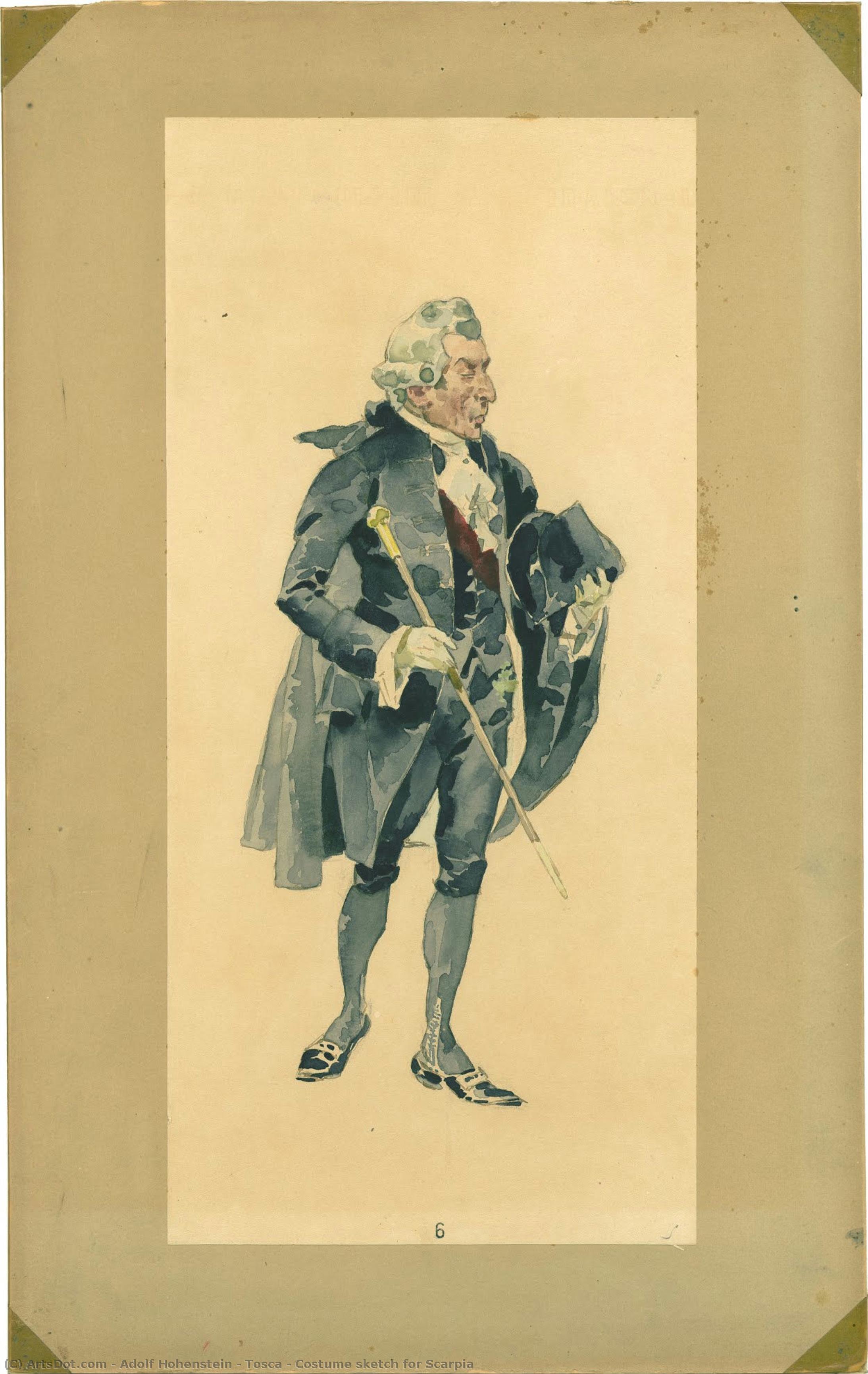
Teatro dell'Opera di Roma, RomaTeatro dell'Opera di Roma Roma 3 Tosca - Sketch of Act III, Tosca - Costume sketch for Scarpia, Tosca - Costume sketch for Floria Tosca

Adolfo Hohenšteinas darbai per metus: kiekvieno unikalūs originalūs kūriniai

Čia pateiktos Adolfo Hohenšteinas originalios darbai, apimantys maždaug dešimt metų laikotarpį, nuo 1890 iki 1899: akmuo seka juos metus po metų.

Darbai pagal metus

Pasirinkite metus, kad pamatytumėte originalus darbus.

Adolfo Hohenšteinas tapų klausimai galerijai

Koks yra garsiausias Adolfo Hohenšteinas kūrinys?Atsakymas

Gnà Lola (mezzo soprano) (1890). Toliausiai eina Mimi's Costume For Act I Of La Boheme For The Premiere Performance ir Set Design For Act 2 Of Puccini's Opera Tosca.

Kuriuo amžiaus atσταση Adolfo Hohenšteinas sukūrė Gnà Lola (mezzo soprano)?Atsakymas

36 metų amžiaus: Gnà Lola (mezzo soprano) sukurta 1890 m. Nr. Adolfo Hohenšteinas gimė 1854.

Kurios Adolfo Hohenšteinas dešimt paveikslų yra garsiausi?Atsakymas

Gnà Lola (mezzo soprano), Mimi's Costume For Act I Of La Boheme For The Premiere Performance, Set Design For Act 2 Of Puccini's Opera Tosca, Tosca - Sketch of Act III, A Square, on the right the exterior of Osteria della Giarrettiera, Tosca - Costume sketch for Scarpia, Tosca - Costume sketch for Floria Tosca, Costume design for a servant girl from the Opera, The Image Describe A Poster Drawn By Adolf Hohenstein ir Le Villi Act Ii. Viršuje esančioje reitingo sąraše nurodyta kiekvieno kūrinio metis ir muziejus.

Kiek žinoma Adolfo Hohenšteinas darbų?Atsakymas

Mūsų kataloge yra 25 Adolfo Hohenšteinas darbų, skirtų laikotarpiui nuo 1890 iki 1899.

Kur galima pamatyti garsiausių Adolfo Hohenšteinas originalų?Atsakymas

Daugiausia – Teatro dell'Opera di Roma (Roma). Viršuje esančiame muziejų sąraše yra visi jie.

Kuriuo laikotarpiu Adolfo Hohenšteinas sukūrė savo žymiausias paveikslus?Atsakymas

1899 laikotarpiu: 3 iš 24 šioje pusėje esančių darbų buvo sukurtos tada, iš jų Tosca - Sketch of Act III.

Kuris iš garsių Adolfo Hohenšteinas paveikslų yra pirmasis, o kuris – paskutinis?Atsakymas

Šioje pusėje seniausias darbas yra Gnà Lola (mezzo soprano) (1890), o naujausias – Tosca - Sketch of Act III (1899).

Kokia temos Adolfo Hohenšteinas mėgavosi?Atsakymas

Poster (4), Urban landscape (2) ir Clothing (2) iš 24 šioje pusėje esamų darbų.

Kuriomis medžiagomis Adolfo Hohenšteinas tapė dažniausiai?Atsakymas

Watercolor, iš 24 šios puslapio darbų – 2.

Kelią meno kryžkelę priklauso Adolfo Hohenšteinas kūryba?Atsakymas

Art nouveau, vadovaujantis šios puslapio originalais kūriniais.

Kurius Adolfo Hohenšteinas originalius galėčiau pamatyti Teatro dell'Opera di Roma?Atsakymas

Tosca - Sketch of Act III, Tosca - Costume sketch for Scarpia ir Tosca - Costume sketch for Floria Tosca: Teatro dell'Opera di Roma, Roma kolekcijoje yra 3 šioje pusėje esančių darbų.

Adolfo Hohenšteinas: meno kūrinys – autoportretas

The Architect of Italian Elegance

Born in Saint Petersburg, Russia, to German parents, Adolf Hohenstein emerged as a transformative figure whose creative reach extended far beyond the boundaries of a single medium. Though his roots were in the Russian Empire, his artistic soul was forged in the vibrant cultural landscapes of Vienna and Milan. As a painter, illustrator, advertiser, and set designer, he possessed a rare ability to weave together the theatrical and the graphic, ultimately earning him the prestigious title of the father of Italian poster art. His journey from the imperial atmosphere of his birthplace to the heart of the Italian Stile Liberty—the local expression of Art Nouveau—is a testament to a life lived at the intersection of diverse European traditions.

Hohenstein’s career was defined by an extraordinary versatility that allowed him to command both the grand stage and the intimate printed page. His early years in Vienna provided a foundation of classical training, while his travels through India offered him unique perspectives on decoration and ornamentation. However, it was his move to Milan in 1879 that would forever alter the course of graphic design history. Settling in this burgeoning metropolis, he became an essential collaborator for the legendary musical publisher Giulio Ricordi. Within the Ricordi Graphical Workshops, Hohenstein acted as a visionary, translating the soaring emotions of opera into striking visual narratives. His hand was instrumental in creating the iconic posters for masterpieces such as Puccini’s Tosca and Madama Butterfly, works that required a delicate balance of dramatic tension and aesthetic grace.

A Legacy of Line and Light

The artistry of Hohenstein is characterized by a profound command over atmosphere and the evocative power of the line. Whether he was designing elaborate costumes and sets for La Scala or crafting advertisements for brands like Campari, his work breathed with a rhythmic vitality. In his poster designs, one finds a masterful use of flowing, organic shapes and a vibrant color palette that could capture the public's imagination instantly. He had a singular talent for world-building; even in a single sketch or a promotional print, he could evoke the heavy, cloud-swept skies of Rome or the glamorous allure of a modern cityscape.

His contributions to the visual language of his era cannot be overstated. Beyond the realm of fine art, his work as an advertiser and illustrator helped define the commercial aesthetic of the early 20th century. His achievements include:

  • Pioneering Graphic Design: Establishing the foundations of the Italian poster movement through highly decorative and emotionally resonant illustrations.
  • Theatrical Mastery: Creating immersive environments for opera through meticulous set and costume designs that complemented the musical drama of composers like Verdi and Puccini.
  • Art Nouveau Exponent: Serving as a leading figure of the Stile Liberty, integrating classical revivalism with the modern, flowing aesthetics of the period.

Ultimately, Adolf Hohenstein remains a seminal figure whose influence resonated through the evolution of graphic design in Italy and beyond. His ability to bridge the gap between high culture—the opera house and the theater—and the everyday experience of the public through posters and postcards ensures his place in the pantheon of great illustrators. He did not merely decorate the world; he redesigned how it was seen, leaving behind a legacy of elegance, drama, and enduring beauty.