The Enduring Legacy: A History of Portraiture & Its Significance
For centuries, the portrait has held a unique position within the realm of art – not merely as a likeness captured on canvas, but as a tangible symbol of status, legacy, and the very essence of being. From the austere formality of Renaissance depictions, commissioned by powerful families to solidify their lineage and wealth, to the Romantic era’s emphasis on emotional depth and individual character, the portrait has consistently reflected the evolving values of society. Consider the iconic portraits of the Elizabethan court, meticulously rendered to project an image of power and control; or the Dutch Masters' intimate studies of bourgeois life, capturing a sense of domesticity and personal connection. These weren’t simply exercises in technical skill; they were statements – declarations of identity, ambition, and belonging. The desire to be seen, to be remembered, is deeply ingrained within the human psyche, and portraiture has long served as its most enduring expression.
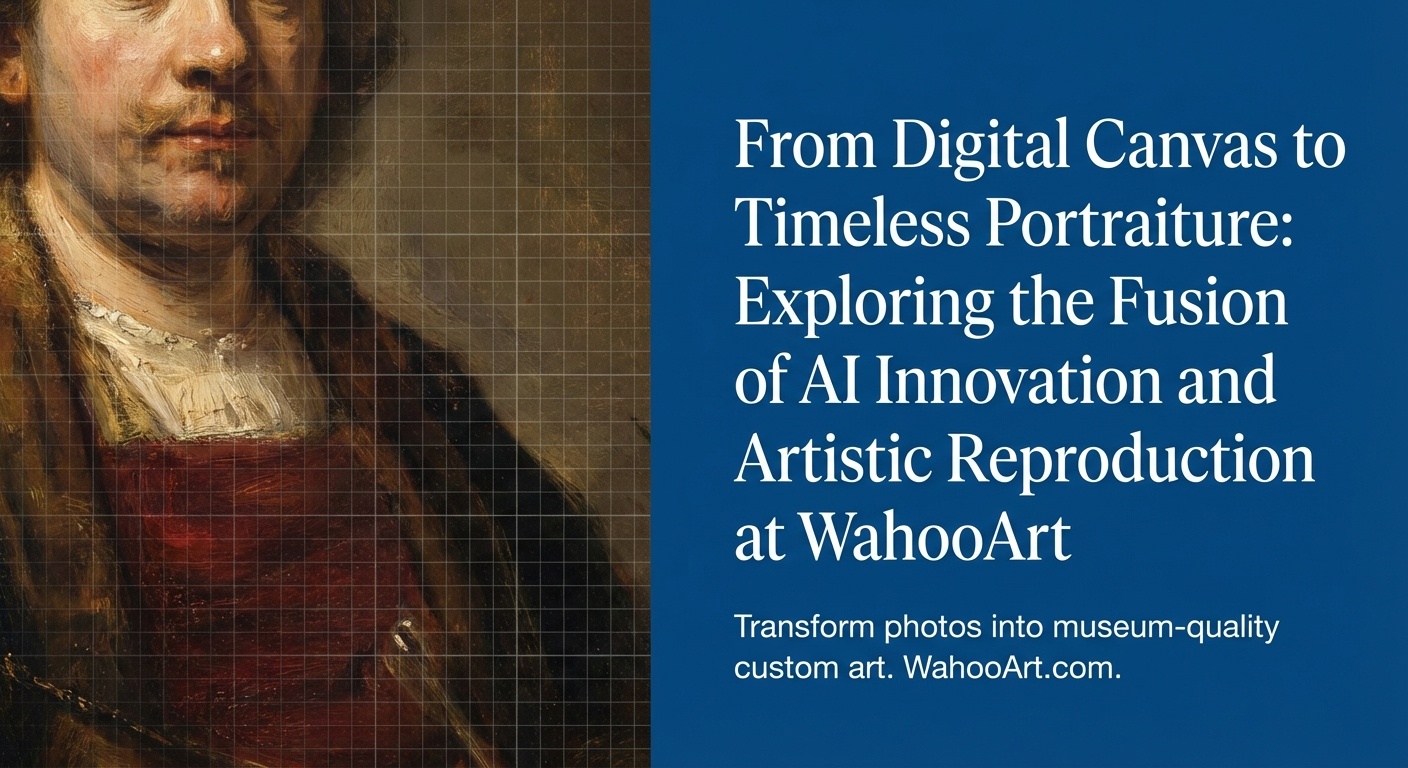
The shift from idealized representation towards a more subjective interpretation began with artists like Rembrandt, who imbued his subjects with psychological complexity and emotional vulnerability. This trend continued through the Impressionist movement, where fleeting moments and personal impressions took precedence over precise realism. Artists such as John Singer Sargent captured not just physical appearances but also the atmosphere surrounding their sitters – a sense of personality and social context. Sir William Newenham Montague Orpen’s ‘The Selecting Jury of the New English Art Club’ (1909) offers a compelling insight into this artistic deliberation, showcasing masterful realism and psychological depth as artists critically assessed works for inclusion. The painting itself becomes a portrait *of* portraiture, revealing the layers of judgment and aesthetic consideration inherent in the process.
AI & Artistic Creation: Exploring the Technologies & Philosophical Questions
The advent of artificial intelligence (AI) has sparked both excitement and debate within the art world. AI art, generated through algorithms and machine learning models, challenges traditional notions of authorship and creativity. The field of artificial intelligence was founded in the 1950s, with early explorations focusing on whether machines could mimic human behavior. Artists began experimenting with AI shortly thereafter, creating algorithmic art that explored symbolic rule-based systems. AARON, developed by Harold Cohen beginning in the late 1960s, stands as a pioneering example of an AI system capable of generating technical images. Karl Sims’ work in the 1980s demonstrated the potential of artificial life to create visually compelling artworks through evolutionary algorithms. The recent surge in popularity of text-to-image models like Midjourney, DALL-E, and Stable Diffusion has democratized access to AI art creation, allowing users with minimal technical expertise to generate imagery from textual prompts.
However, this accessibility also raises profound questions: can a machine truly create art, or is it merely replicating patterns learned from existing datasets? The philosophical implications are significant. Is originality solely dependent on human intention? What constitutes authorship when an algorithm generates the image? These debates echo historical anxieties surrounding new technologies and their impact on artistic expression. The early reception of photography, for example, was similarly fraught with questions about its legitimacy as an art form.
From Snapshot to Masterpiece: Transforming Photos into Personalized Art
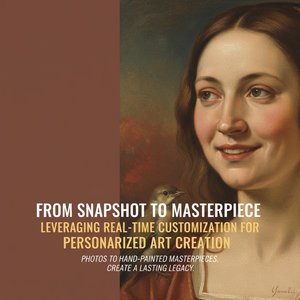
The desire to transform cherished photographs into custom paintings has long been a deeply personal one. Traditionally, this required commissioning an artist – a time-consuming and often expensive process. Today, AI-powered tools are streamlining this process, offering personalized art solutions with unprecedented speed and affordability. The core of transforming a photograph into a painting lies in interpreting light, shadow, texture, and emotion. Hand-painted reproductions involve skilled artists meticulously applying oil paints to canvas, mirroring the techniques of Old Masters. Digital portraits utilize software and algorithms to refine details, adjust color palettes, and apply stylistic filters.
The key advantage of digital art is its flexibility; revisions can be made quickly and easily until the client is completely satisfied. However, it’s crucial to remember that technology is merely a tool—the true artistry resides in the artist's ability to translate emotion and personality into a visually compelling image. A skilled hand understands not just color matching but also how to capture the *essence* of a subject – the subtle nuances of expression, the play of light on skin, the overall mood and atmosphere.
Style as Signature: Choosing the Right Aesthetic for Your Custom Portrait
Choosing the right style is paramount when commissioning a portrait. Whether you prefer the impressionistic brushstrokes of Monet, the realism of Rembrandt, or the bold colors of Pop Art, selecting a stylistic influence can dramatically alter the mood and aesthetic of your artwork. Different artistic styles evoke distinct emotions and convey unique perspectives. Impressionism emphasizes fleeting moments and personal impressions, while Realism focuses on accurate representation. Abstract art prioritizes form and color over literal depiction, allowing for greater creative freedom.
Consider how a portrait rendered in the style of Van Gogh might imbue the subject with a sense of passion and intensity, whereas a portrait inspired by Klimt could evoke a feeling of opulence and symbolism. OriginalUniqueArt.com offers a wide range of stylistic options, allowing customers to choose the aesthetic that best reflects their vision. For example, a family photo can be recreated in Renaissance style, evoking a sense of timeless elegance, or transformed into a Pop Art portrait, capturing a playful and contemporary vibe.
Materials Matter: Ensuring Quality, Longevity & Museum-Level Detail
The quality of materials and craftsmanship significantly impacts the longevity and visual appeal of an artwork. Hand-painted reproductions utilize high-quality oil paints that offer rich color saturation and archival stability. 100% cotton canvas provides a durable and textured surface for optimal paint adhesion. Professional framing protects the artwork from damage and complements its aesthetic. Digital prints employ archival, UV-resistant inks that last up to 75 years without fading.
Textured prints mimic the brushstroke effects of oil paintings, offering a tactile richness. The choice of frame is also crucial – a carefully selected frame can enhance the artwork’s visual impact and protect it from environmental factors. OriginalUniqueArt.com prioritizes premium-grade materials and craftsmanship in all its reproductions, ensuring museum-level quality and detail.
OriginalUniqueArt.com: Bridging Tradition and Innovation in Modern Portraiture
At OriginalUniqueArt.com, we believe that art should be accessible to everyone. We bridge the gap between tradition and innovation by offering both hand-painted reproductions of classic masterpieces and AI-powered customization options. Whether you’re seeking a museum-quality replica or a unique portrait from your own photo, we provide tailor-made solutions for preserving cherished memories and celebrating individual expression.
Our team of skilled artists and art advisors is dedicated to providing expert guidance throughout the entire process – from selecting the right style and materials to ensuring a flawless final product. We offer a 100% satisfaction guarantee, because we believe that every artwork should be a cherished heirloom. Explore our collection today and discover the power of personalized art.