Biedermeier Decoded: The 19th-Century Blueprint for Sophisticated, Minimalist Design
Discover how the Biedermeier era's focus on simplicity and domestic comfort serves as a masterclass for modern minimalist interiors. Explore 19th-century design principles to elevate contemporary spaces with timeless, sophisticated elegance. Essential reading for professional decorators.
The Post-Napoleonic Pivot: Political Restraint and the Rise of the Private Sphere Biedermeier Style: The Elegant Art of Comfort, Simplicity, and Bourgeois Sophistication The Dawn of Biedermeier: Post-Napoleonic Europe and the Rise of the Middle Class...
To understand the soul of the Biedermeier era, one must first listen to the echoes of a continent recovering from the thunder of cannon fire. As the dust settled over the German Confederation in 1815, following the tumultuous conclusion of the Napoleonic Wars, a profound social transformation began to take root. The grand, sweeping gestures of imperial conquest and the intimidating, gilded opulence of the preceding Empire style suddenly felt heavy, perhaps even alien, to a populace seeking stability. In the wake of the Congress of Vienna, as the political landscape became increasingly restricted by conservative systems, a peculiar phenomenon occurred: the gaze of the citizenry turned inward. The external world, characterized by shifting borders and rigid hierarchies, was replaced by the internal world of the domestic sphere. This cultural pivot created a unique vacuum that the Biedermeier movement moved to fill, transforming the home from a mere residence into a sacred sanctuary for emotional warmth and quiet stability.
Geometric Purity: Defining the Biedermeier Aesthetic through Form and Function
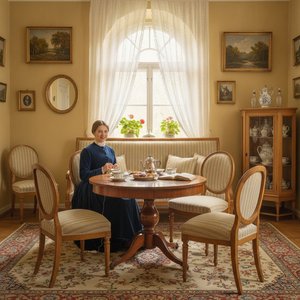
The transition away from the florid, ostentatious richness of the Empire style brought with it a newfound reverence for geometric purity. Where previous eras demanded heavy ornamentation and symbolic weight, Biedermeier embraced a more streamlined approach to furniture and interior architecture. This was not an absence of design, but rather a refinement of it. The aesthetic focused on the inherent beauty of the material—utilizing light-colored woods like cherry, maple, and birch—and celebrated clean, unadorned lines that emphasized silhouette over surface decoration. This emphasis on structural clarity and functional elegance serves as an early ancestor to the minimalist movements we admire today. By stripping away the unnecessary, Biedermeier designers achieved a sense of balance and lightness that allowed the architecture of a room to breathe, prioritizing the tactile quality of the wood grain and the mathematical harmony of the form.
The Art of Intimacy: Designing Private Sanctuaries in a Turbulent World
The Rise of Biedermeier: Political Context & Social Shifts Wikipedia: Biedermeier The Biedermeier period was an era in the art and culture of the German Confederation between 1815 and 1848 during which the middle classes grew in number and artists be...
For the burgeoning middle class of the 19th century, the home became a private stage for family intimacy and modest prosperity. Because public expression was often met with censorship and surveillance under the watchful eyes of figures like Klemens von Metternich, the domestic sphere became the primary site for creativity and emotional expression. This era elevated the joys of everyday existence to the status of high art. Interior design during this period focused on creating "cozy" environments—spaces that fostered connection through comfortable seating, intimate reading nooks, and beautifully arranged dining areas. For the modern decorator, this historical period offers a profound lesson in the importance of psychological comfort. It reminds us that a well-designed space is not merely a visual achievement but an emotional one, capable of providing a sense of belonging and refuge from the chaotic rhythms of the outside world.
Modern Echoes: Translating 19th-Century Minimalism for Contemporary Interiors
Historical Context: The Biedermeier Aesthetic and the Rise of Domestic Comfort Biedermeier Style: The Elegant Art of Comfort, Simplicity, and Bourgeois Sophistication The Dawn of Biedermeier: Post-Napoleonic Europe and the Rise of the Middle Class To...
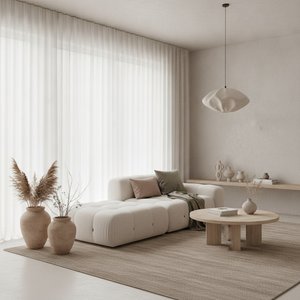
The principles of Biedermeier—simplicity, functionality, and light-filled spaces—find a striking resonance in contemporary minimalist design. When we look at modern urban apartments or high-end hospitality interiors, we see the same pursuit of uncluttered elegance. The Biedermier blueprint teaches us that minimalism is not about emptiness, but about the intentional selection of objects that possess both form and meaning. A decorator can draw directly from this era by utilizing clean-lined furniture, a neutral yet warm color palette, and an emphasis on natural textures to create a sense of timelessness. By integrating these 19th-century sensibilities, we can design spaces that feel both modern and deeply grounded, avoiding the coldness that often plagues overly sterile minimalist projects.
Curated Contrast: Blending Biedermeier Elegance with Bold, Contemporary Art
Discover the Elegant Resin Sculpture – a bold abstract piece blending silver and gold resin for a luminous, tactile experience. Elevate your space with this striking art today.
The true magic in modern interior curation lies in the ability to remix history. While a room may be anchored by the restrained, geometric elegance of Biedermeier-inspired furniture and soft, natural tones, it can be electrified by the introduction of high-impact, contemporary art. This is where the "blueprint" becomes a canvas for bold expression. Imagine a serene, minimalist salon featuring light wood accents and clean silhouettes, suddenly interrupted by a large-format, vibrant oil reproduction of a street art masterpiece or a punchy, graphic Pop Art piece. This juxtaposition creates a sophisticated tension—a dialogue between the quiet stability of the past and the high-energy visual identity of the present. By utilizing the Biedermeier aesthetic as a foundation of calm, decorators can confidently introduce much bolder, more colorful elements that demand attention without overwhelming the space. It is this curated contrast that defines the most exciting contemporary interiors today.
Explore more design inspirations and transformative art pieces at OriginalUniqueArt.com.
Atraskite Renesanso stiliaus grožį! Ekspertai pataria, kaip įtraukti istorines tradicijas ir meno kūrinius į jūsų namų interjerą. Sukurkite prabangą ir eleganciją su OriginalUniqueArt.com.
Discover how to master soft minimalism to create a serene, cozy home. Our expert guide for newlyweds explores quiet luxury, organic textures, and curated art selections to transform your new space into a peaceful sanctuary of intentional design.
Atraskite 25 Pierre'Auguste Renoir šedevrus! Impresionizmo meistro paveikslai, kupini šviesos ir grožio. Meno istorija, technikos paslaptys ir įkvėpimas jūsų interjerui. Aukštos kokybės reprodukcijos – OriginalUniqueArt.com
Explore the Biedermeier style, a 19th-century era of elegance and domestic comfort. Discover how post-Napoleonic social shifts shaped European art, furniture, and middle-class sophistication through an expert historical lens.
Master the Soft Minimalism trend with our expert design forecast. Discover how to elevate your space using textured neutrals, abstract art, and high-impact geometric forms to create a serene, quiet luxury sanctuary that feels both modern and timeless.


 Biedermeier Style: The Art of Comfort, Elegance, and Middle-Class Sophistication in 19th-Century Europe
 Biedermeier: Art, Society & Intimacy in Restoration Europe
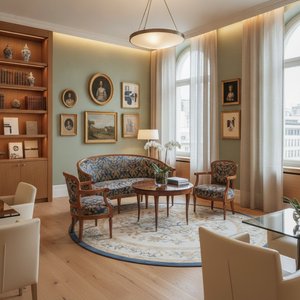 Biedermeier Style Guide: Integrating Elegant, Functional 19th-Century Art into Modern Hotel & Hospitality Interiors
 Elegant Resin Sculpture - Bold Abstract Home Accent Piece