Hudson River School · 1855
Pompeii (Robertas Seldonas Duncansonas, 1855)
Robertas Seldonas Duncansonas (1821–1872) sukūrė Pompeii. Šis kūrinys datuojamas 1855 m. Šis kūrinys priklaulo Hudson River School kieruliui. Pagaminta naudojant Oil On Canvas. Eksponatas saugomas Smithsonian American Art Museum Vašingtonas, JAV. Dimensijos – 53 × 43 cm.
- 1855
- Oil On Canvas
- 53 × 43 cm
- Smithsonian American Art Museum, Vašingtonas

 Peržiūrėti realaus dydžio版

 Rankinio darbo aliejinės imitacijos paveikslas
 Pasidalinti
 Dalintis
 Informacinė l lapelė


 Atsisiųsti
 Panašūs eksponatai
 Rentgeno spindulių nuotrauka
 Automatinė diorama
 问答

 Statistika
Pompeii, trumpai
- Pavadinimas
- Pompeii
- Autorius
- Robertas Seldonas Duncansonas (1821–1872)
- Dizainere/is gimęs
- Fejervilo, Jungtinės Amerikos Valstijos
- Data
- 1855
- Mediumas
- Oil On Canvas
- Matmenys
- 53 × 43 cm
- Kur galima pamatyti
- Smithsonian American Art Museum, Vašingtonas, JAV
- Judėjimas
- Hudson River School
- Laikotarpis
- 19th Century
- Tema
- people, tower, boats, mountains, trees, bushes
Ką vaizduoja Pompeii?
Identification of the Artwork and Artist
The painting Pompeii is a work by the artist Robert Seldon Duncanson. Created in 1855, this oil on canvas captures a specific moment of stillness. The artist, born in Fayette, United States, in 1821, sought to translate the weight of history through the medium of paint. He lived until 1872.
Duncanson was a man of many layers, a pioneer of the American landscape. His hands moved from the practical work of carpentry to the delicate application of oil. He studied the light of the Old Masters to find his own way through the wilderness. This work emerged from that disciplined study.
The canvas holds a view of ancient ruins and a volcanic landscape. It is a quiet record of stone and sky. The brush traces the edges of a mountain and the silhouette of a tower. A stillness remains.
The Composition and Visual Elements
A large stone tower anchors the foreground, its heavy presence grounding the viewer amidst a mountainous landscape. Near this structure, a group of people gathers, their small forms providing a sense of scale against the ancient masonry. Scattered trees and bushes break the terrain, adding organic textures to the rugged earth. The eye is drawn from these immediate details toward the water, where several boats drift upon the surface.
In the distance, a second, smaller tower rises against the backdrop of the mountains. The composition relies on a receding perspective, layering the bay, the ruins, and the peaks to establish a deep sense of space. Light softens the distant mountains, creating an atmospheric veil over the volcanic landscape. The verticality of the stone structures contrasts with the horizontal stillness of the water. A quiet shadow falls across the rocks.
Technical Details and Artistic Style
The artist works in oil on canvas, layering pigment to build a sense of weight and light. Through the careful application of blending and glazing, smooth transitions emerge between the shadows of the ruins and the glow of the sky. This technique allows the colors to settle into one another, creating a soft, atmospheric depth. The composition relies on atmospheric perspective, where the clarity of the distant mountains and the volcano is softened by the intervening air, pushing the horizon far into the distance.
A tension exists between the geometric and the wild. The verticality of the central column and the rounded dome provide a linear structure that anchors the scene. These rigid, man-made forms contrast against the organic textures of the irregular rocks, the scattered foliage, and the drifting clouds. This marriage of the structured and the untamed is a hallmark of the Hudson River School and the Romanticism movement. The light does not merely illuminate; it defines the space, using tonal shifts to guide the eye from the foreground stones toward the hazy, volcanic peaks.
Thematic and Historical Context
The canvas captures a collision between the enduring earth and the fragile remnants of human endeavor. A single stone column rises from the terrain, a vertical ghost of classical architecture standing against a landscape of volcanic power. In the distance, the silhouette of a smoking volcano looms, a silent reminder of the geological forces that once buried this site. The composition places the scale of the natural world above the broken geometry of civilization, emphasizing a quiet tension between the permanence of mountains and the decay of stone.
This work explores the heavy weight of time through the lens of historical ruins. By situating human structures within a vast, untamed environment, the painting examines the relationship between the built world and the wild. The stillness of the scene suggests a moment of quiet contemplation regarding the passage of years and the inevitable reclamation of cities by the earth. It is a study of what remains when the pulse of a city has ceased, leaving only the mountains and the ash.
Related Works by the Artist
The artist’s hand often returned to the tension between the permanent and the fleeting. In 1870, he revisited the shadow of the volcano in Vesuvius and Pompeii. This later work echoes the geological power found in his earlier studies. He also captured the quietude of the pastoral in Landscape with Sheep. The animals move through a landscape that feels settled and still.
Earlier in his career, his focus shifted toward the intimate and the specific. He painted Roses Still Life in 1843, a study of delicate forms. In 1844, he turned his attention to the American terrain with Mt. Healthy, Ohio. These works reveal a painter navigating the transition from small, contained subjects to the vastness of the natural world. A single petal or a distant hill remains held in his gaze. The light settles on the earth and stays.
Kuriame muziejuje eksponuojamas karya Pompeii?
Smithsonian American Art Museum
Vašingtonas, JAV
Amerikos tapatybės kronika Vašingtone, D.C., įsikūrusis Smithsonian American Art Museum yra pirmasis šalies kolekcionuojamas Amerikos meno rinkinys. Kaip svarbi Smithsonian institucijos dalis, šis muziejus saugo vieną didžiausių ir įtraukiausių JAV sukurto meno kolekcijų. Šios kolekcijos turtas yra nepertraukama Amerikos patirties kronika, įtrapinanti žmonių troškimus, charakterį ir vaizduotę nuo kolonialinio laikotarpio iki šių dienų.


Pompeii dididraudžios kokybės vaizdai
Viešoji domenė: suregalis mirė 1872 m.
Robertas Seldonas Duncansonas, Pompeii (1855), Smithsonian American Art Museum. Viešoji domenė.
Atsakimai į klausimus apie Pompeii
Kur galima pamatyti „Pompeii“ – Robertas Seldonas Duncansonas originalą?
Kūrinys „Pompeii“ – Robertas Seldonas Duncansonas rodomas Smithsonian American Art Museum, Vašingtonas, JAV. Muziejaus informacija nuoroda į originalą, o ne į reprodukciją.
Kada buvo sukurta „Pompeii“?
„Pompeii“ – Robertas Seldonas Duncansonas sukurtas 1855 m.
Kokia technika sukurta „Pompeii“ – Robertas Seldonas Duncansonas?
„Pompeii“ – Robertas Seldonas Duncansonas technika – Oil On Canvas. Kopijos siekia atkartoti šios technikos vaizdą.
Kokie yra originalaus „Pompeii“ – Robertas Seldonas Duncansonas matmenys?
Originalaus dydžio kūrinys „Pompeii“ yra 53 x 43 cm. Originalūs matmenys padeda lengviau išsirinkti tinkamą reprodukcijos dydį.
Kas yra „Pompeii“?
Darbos „Pompeii“ temos yra people, tower, boats, mountains, trees, bushes, water.
Ar „Pompeii“ – Robertas Seldonas Duncansonas vaizdą galima laisvai reprodukcijaoti?
Kalbant apie autorišką teisę, „Pompeii“ yra yra viešosios erdvės dalis – jo autorinė teisė pasibaigusi.
Kas yra „Pompeii“ kūrybos autorius?
„Pompeii“ kūrybinį darbą sukūrė Robertas Seldonas Duncansonas. Šioje puslapio informacijoje aprašomas Robertas Seldonas Duncansonas originalus kūrinys.
Kokiam stiliui priklauso „Pompeii“?
„Pompeii“ yra Hudson River School stiliaus kūrinys. Šis dailos kryptis nurodo meninę tradiciją, kurios šis darbas yra dalis.
Kokio Robertas Seldonas Duncansonas kūrybos etapo dalis yra „Pompeii“?
„Pompeii“ atspindi Robertas Seldonas Duncansonas kūrybinį laikotarpį Mature Period.
Apie šį menininką, Robertas Seldonas Duncansonas
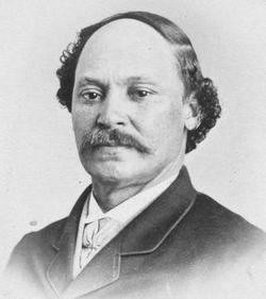
1821–1872, Jungtinės Amerikos Valstijos
Robertas Seldonas Duncansonas
Amerikos peizažo pionierius Robertas Seldonas Duncansonas – vardas, kuris skamba kartu su meniningu švytėjimu ir istorine reikšme – tapo viena svarbiausių XX amžiaus amerikietiško meno figūrų. Gimęs apie 1821 m. Niujorko valstijoje, Fejetavile, europos ir afrikiečių kilmės šeimoje – jo tėvas, Johnas Deanas Duncansonas, laisvas afroamerikietis rangovas, į savo sūnų įsidiegė darbštumo ir mokslą siekimo vertybes – Duncansonas gyveno pasaulyje, pilname rasinės diskriminacijos, tačiau tuo pačiu metu pasiekė tarptautinę šlovę kaip peizažų tapys։ Jo kelionė buvo savikurtinio mokslo, nepaišnekamos atsidavimo ir gilaus ryšio su gamta procesas, kuris galiausiai padarė jį pirmuoju afroamerikiečių menininku, sulaukusiu plačios pripažinimo Atlanto abipusėje. Persikeliant šeimai į Monreį, Mičigane, jauneslis Robertas pradėjo mokytis stalių ir dažytojo amato, pasirodydamas ankstyvą meninį talentą, kuris netrukus nustatė visą jo gyvenimo kryptį.
Apie Robertas Seldonas Duncansonas Žinomiausi Robertas Seldonas Duncansonas darbai
Taip pat Robertas Seldonas Duncansonas darbai
 Italianate Landscape1855
 Mount Healthy, Ohio1844
 The Drunkard's Plight, (painting)1846
 Light and Shade on Ruins on Carthage, (painting)1845
Esdai apie Pompeii
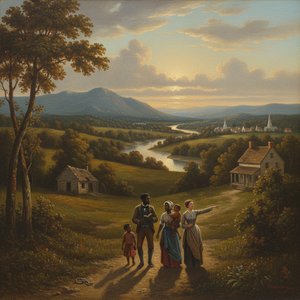 Robert Seldon Duncanson: Landscape, Abolitionism & Shaping American IdentityDiscover Robert Seldon Duncanson, the first internationally acclaimed African American landscape artist. Explore his connection to the Huds…
 Hubert Robert: Picturing Ruins, Preserving Memory – A Study of Romantic Antiquarianism & Artistic InnovationExplore the captivating world of Hubert Robert, master of Romantic landscape painting & 'capriccio' ruins. Discover his historical context,…
 25 Must-See Masterpieces at the Smithsonian American Art MuseumExplore 25 iconic works from the Smithsonian American Art Museum. From Hopper to O'Keeffe, find museum-quality art on OriginalUniqueArt.com.