Ashcan School · 1904
Eakers (Robert Henris, 1904)
Robert Henris (1865–1929) sukūrė Eakers. Šis kūrinys datuojamas 1904 m. Šis kūrinys priklaulo Ashcan School kieruliui. Pagaminta naudojant Oil On Canvas. Eksponatas saugomas Harvard Art Museums Kembrižas, JAV.
- 1904
- Oil On Canvas
- Harvard Art Museums, Kembrižas

 Peržiūrėti realaus dydžio版

 Rankinio darbo aliejinės imitacijos paveikslas
 Pasidalinti
 Dalintis
 Informacinė l lapelė


 Atsisiųsti
 Panašūs eksponatai
 Rentgeno spindulių nuotrauka
 Automatinė diorama
 问答

 Statistika
Eakers, trumpai
- Pavadinimas
- Eakers
- Autorius
- Robert Henris (1865–1929)
- Dizainere/is gimęs
- Sinsinatis, Jungtinės Amerikos Valstijos
- Data
- 1904
- Mediumas
- Oil On Canvas
- Kur galima pamatyti
- Harvard Art Museums, Kembrižas, JAV
- Judėjimas
- Ashcan School
- Laikotarpis
- Modern
- Tema
- man, portrait, grayscale, face, shoulder, clothing
Ką vaizduoja Eakers?
Identification of Eakers by Robert Henri
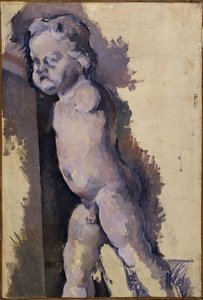
In this 1904 work, titled Eakers, the artist Robert Henri presents us with a quiet, singular presence. The painting focuses entirely on a single male figure, captured in a moment of stillness that feels both heavy and deeply personal. There is a certain gravity to his posture, as he sits with his arms crossed, a stance that suggests a man settled within his own thoughts.
The subject carries a contemplative or somber expression, inviting a closer look at the psychological weight he holds. Henri avoids the superficiality of a casual pose, opting instead to document a sense of introspection. Through this direct engagement, the figure becomes a study of resilience and quietude, presented without the need for external distraction or artifice.
Composition and Visual Elements
The composition is a medium close-up, focusing on the subject from the chest up. By positioning the figure slightly off-center, the artist avoids a static, formal arrangement, opting instead for a sense of immediacy. The perspective is set at eye-level, which establishes an intimate connection between the viewer and the subject's contemplative expression. This directness is heightened by a strictly grayscale color palette, where the absence of color forces a total reliance on tonal shifts to define form and presence.
Light enters the frame from the upper left, creating a dramatic chiaroscuro effect. This directional light casts strong highlights across the forehead, the cheek, and the shoulder, carving the subject out of the darkness. In contrast, the right side of the face and the surrounding background are submerged in deep shadow. These heavy shadows create a sense of depth and tension, emphasizing the contours of the face through light rather than through sharp outlines.
Technique and Artistic Style
The execution of this work suggests a deep engagement with the impasto technique, likely rendered in oil on canvas. There is a palpable sense of immediacy in the application of the medium. Bold, gestural brushwork defines the surface, moving beyond mere representation to emphasize the physical presence of the paint itself. These thick, visible strokes do more than suggest form; they actively construct the texture of the clothing and the contours of the face, lending the piece a sense of movement and raw vitality.
The artist’s approach here is reminiscent of Impressionism or early Expressionism, favoring a directness that avoids the rigidity of academic precision. Rather than relying on sharp outlines, the shapes are loosely defined through a sophisticated interplay of light and shadow. This chiaroscuro effect creates a profound sense of depth and tension, particularly where the light catches the high points of the subject's features and recedes into deep, dark tones. The result is a composition that feels both spontaneous and deeply considered.
Current Collection and Location
This work is held within the collections of the Harvard Art Museums. It is specifically part of the holdings at the Fogg Museum, where it is cataloged under the identification number 1948.85. The piece remains a permanent part of this institutional repository, preserved for study and observation.
The collection is situated in Cambridge, United States of America. Visitors to the museum can find this work within the specialized environment of the Fogg Museum's galleries. It is maintained as part of the modern and contemporary art holdings within the Cambridge campus.
Kuriame muziejuje eksponuojamas karya Eakers?
Harvard Art Museums
Kembrižas, JAV
Harvard Art Museums istorija Harvard Art Museums yra neatsiejama Harvardo universiteto dalis. Ši institucija savo dabartinę formą įgavo 1983 metais, kai buvo suvienytos trys skirtingos institucijos. Šis susidvejimas apjungė 1895 m.


Eakers dididraudžios kokybės vaizdai

Viešoji domenė: suregalis mirė 1929 m.
Kiti dydžiai, iškarai ir citavimo informacija →Robert Henris, Eakers (1904), Harvard Art Museums. Viešoji domenė.
Atsakimai į klausimus apie Eakers
Kuriam muziejui priklauso originalus „Eakers“?
Kūrinys „Eakers“ – Robert Henris rodomas Harvard Art Museums, Kembrižas, JAV. Muziejaus informacija nuoroda į originalą, o ne į reprodukciją.
Kokia yra „Eakers“ – Robert Henris kūrybos data?
„Eakers“ sukurta 1904 m. Ši data leidžia įvardyti kūrinį Robert Henris kūrybinėje karjeroje bei jo epochoje.
Kokia technika buvo panaudota kūriniam darbui „Eakers“ – Robert Henris?
„Eakers“ – Robert Henris technika – Oil On Canvas. Kopijos siekia atkartoti šios technikos vaizdą.
Ką vaizduoja „Eakers“ – Robert Henris?
„Eakers“ – Robert Henris temos apima man, portrait, grayscale, face, shoulder, clothing. Kartu jie apibendrina šio kūrinio tematiką.
Ar „Eakers“ yra viešosios teisės kūrinys?
„Eakers“ – Robert Henris yra yra viešosios erdvės dalis – jo autorinė teisė pasibaigusi. Šis statusas nustato, kaip galima reprodukcijaus šio kūrinio vaizdą.
Kuriam menininkui priskiriamas kūrinys „Eakers“?
„Eakers“ priskiriamas Robert Henris.
Kokiam meno stiliui priklauso „Eakers“ – Robert Henris?
„Eakers“ yra Ashcan School stiliaus kūrinys. Šis dailos kryptis nurodo meninę tradiciją, kurios šis darbas yra dalis.
Kokį Robert Henris kūrybos etapą atspindi „Eakers“?
„Eakers“ atspindi Robert Henris kūrybinį laikotarpį Mature Period.
Kokia buvo Robert Henris amžius sukuriant „Eakers"]?
Robert Henris buvo 39 metų, kai 1904 m. sukūrė kūrinį „Eakers“. Amžius apskaičiuotas remiantis gimimo metais 1865.
Apie šį menininką, Robert Henris

1865–1929, Jungtinės Amerikos Valstijos
Robert Henris
Turbulentinis Pradžia: Roberto Henri Ankstyvieji Metai Robertas Henri, gimęs Robertas Henris Kozadas Sinsinatyje, Ohajo valstijoje, 1865 metais, nuo pat pradžių nešė savyje nesaugumo ir persikūrimo jausmą, kuris giliai paveikė tiek jo gyvenimą, tiek meną. Jo vaikystė toli gražu nebuvo idiliška; ją temdė įnirtingi santykiai tarp tėvo, Džono Džeksono Kozado – ambicingo ir rizikingo lošėjo bei nekilnojamojo turto kūrėjo – ir motinos Teresos Geitvud Kozados. Ši netvarka kulminavo dramatišku įvykiu 1882 metais: mirtinu šaudymu dėl žemės ginčo, kuris privertė šeimą bėgti, priimant naujas tapatybes, kad išvengtų keršto. Jaunas Robertas tapo Robertu Henri, sąmoningas atsiskyrimas nuo konfliktais apipintos praeities ir simbolinis gimimas iš naujo kaip menininkas.
Taip pat Robert Henris darbai
 Betalo Rubino, Dramatic Dancer1916
 The Green Fan (Girl of Toledo, Spain)
 O'Malley Home (Achill Island, County Mayo, Ireland)1913
 Young Woman in Black

Esdai apie Eakers
 The Weight of Stillness: Examining Melancholy in the Art of Edvard Munch and Hendrick ter BrugghenExplore the profound history of melancholy through Munch and Ter Brugghen. Discover the emotional depth of art today.
 Mastering the Frame: How Detailed Composition and Structural Harmony Bring Artworks to LifeDiscover the profound impact of composition on fine art. Explore how masters use geometry, light, and structural harmony to breathe life in…
 The Art of Prestige: How Fine Reproductions Anchor Elite Gallery CollectionsDiscover how museum-grade fine art reproductions anchor elite collections. Explore the intersection of historical mastery and modern luxury…