High Renaissance · 1520
The Transfiguration (detail) (Rafaelis, 1520)
Rafaelis (1483–1520) sukūrė The Transfiguration (detail). Šis kūrinys datuojamas 1520 m. Šis kūrinys priklaulo High Renaissance kieruliui. Pagaminta naudojant Oil On Panel.
- 1520
- Oil On Panel

 Peržiūrėti realaus dydžio版

 Rankinio darbo aliejinės imitacijos paveikslas
 Pasidalinti
 Dalintis
 Informacinė l lapelė


 Atsisiųsti
 Panašūs eksponatai
 Rentgeno spindulių nuotrauka
 Automatinė diorama
 问答

 Statistika
The Transfiguration (detail), trumpai
- Pavadinimas
- The Transfiguration (detail)
- Autorius
- Rafaelis (1483–1520)
- Dizainere/is gimęs
- Urbinas, Italija
- Data
- 1520
- Mediumas
- Oil On Panel
- Judėjimas
- High Renaissance
- Laikotarpis
- Renaissance
- Tema
- biblical narrative, religious symbolism, divine light, renaissance art, christ figure, mount tabor
Ką vaizduoja The Transfiguration (detail)?
A Divine Revelation Captured in Light and Color
The Raphael (Raffaello Sanzio Da Urbino)’s *The Transfiguration*, completed in 1520, stands as an unparalleled achievement of High Renaissance artistry—a testament to Raphael’s mastery of perspective, color theory, and humanist ideals. Currently residing within the Pinacoteca Vaticana, this monumental painting transcends mere representation; it embodies a profound spiritual narrative rooted in Christian theology. Commissioned by Cardinal Giulio de' Medici (later Pope Clement VII), *The Transfiguration* exemplifies the artistic fervor that characterized Rome during its papal ascendancy.- Subject Matter: The artwork depicts the biblical episode recounted in Matthew, Mark, and Luke—Jesus’ ascension to Mount Tabor alongside Moses and Elijah. This dramatic scene portrays Christ transforming before his disciples' eyes into a radiant figure bathed in heavenly light, symbolizing divine glory and spiritual transcendence.
- Style & Technique: Raphael skillfully employs pyramidal composition—a hallmark of Renaissance art—to create stability and grandeur. The meticulous attention to detail is evident throughout the painting, from the folds of Christ’s robe to the expressions on the faces of Moses and Elijah, demonstrating Raphael's dedication to anatomical accuracy and realistic portrayal. Fresco technique was utilized, ensuring durability and preserving the vibrancy of color for centuries.
Historical Context: The Renaissance Spirit Embodied
Painted at the apex of the Italian Renaissance—a period marked by intellectual curiosity, artistic innovation, and humanist revival—*The Transfiguration* reflects the broader cultural landscape of its time. Raphael’s work aligns seamlessly with the prevailing fascination for classical ideals and biblical narratives, demonstrating a desire to elevate human experience through contemplation of divine beauty. The painting's placement within the cathedral of S. Giusto in Narbonne underscores its significance as a devotional artwork intended to inspire awe and reverence.
Symbolism: Light, Revelation, and Heavenly Grace
The pervasive luminescence dominating *The Transfiguration* serves as a central symbol—representing divine illumination and spiritual enlightenment. Moses and Elijah, figures revered for their prophetic roles in Jewish tradition, stand alongside Christ, symbolizing law and prophecy respectively – representing the Old Testament and New Testament faiths united. The birds perched atop Mount Tabor are interpreted as emblems of freedom and divine grace, furthering the painting’s overarching message of redemption and spiritual ascension.
Emotional Impact: A Moment Frozen in Time
*The Transfiguration* continues to captivate viewers with its breathtaking beauty and profound emotional resonance. Raphael's masterful manipulation of color—particularly the golden hues illuminating Christ—evokes feelings of serenity, majesty, and spiritual contemplation. The painting’s enduring appeal lies in its ability to convey a timeless narrative of faith, hope, and divine revelation—a masterpiece that secures Raphael’s place among the greatest artists of all time.
Discover More About This Iconic Artwork
For a deeper understanding of *The Transfiguration* and its artistic legacy, explore resources such as Wikipedia (
The Transfiguration (detail) dididraudžios kokybės vaizdai

Viešoji domenė: suregalis mirė 1520 m.
Kiti dydžiai, iškarai ir citavimo informacija →Rafaelis, The Transfiguration (detail) (1520). Viešoji domenė.
Atsakimai į klausimus apie The Transfiguration (detail)
Kuriem metais buvo sukurta „The Transfiguration (detail)“ – Rafaelis?
„The Transfiguration (detail)“ – Rafaelis kūrybos metai – 1520.
Kokia technika panaudota kūriniui „The Transfiguration (detail)"]?
Rafaelis kūriniui „The Transfiguration (detail)“ panaudojo Oil On Panel techniką. Ši technika apibrėžė originalaus kūrinio medžiaginę prigimtį.
Kas yra „The Transfiguration (detail)“?
„The Transfiguration (detail)“ – Rafaelis vaizdeletas: biblical narrative, religious symbolism, divine light, renaissance art, christ figure, mount tabor, holy trinity.
Ar „The Transfiguration (detail)“ – Rafaelis priklauso viešosios teisės domenui?
„The Transfiguration (detail)“ – Rafaelis yra yra viešosios erdvės dalis – jo autorinė teisė pasibaigusi. Šis statusas nustato, kaip galima reprodukcijaus šio kūrinio vaizdą.
Kas yra „The Transfiguration (detail)“ kūrybos autorius?
„The Transfiguration (detail)“ priskiriamas Rafaelis.
Kokiam stiliui priklauso „The Transfiguration (detail)“?
Kūrinio „The Transfiguration (detail)“ – Rafaelis stilius – High Renaissance. Ši klasifikacija leidžia šį darbą įtraukti į bendrą susijusių menininkų ir kūrinių kontekstą.
Kokį Rafaelis kūrybos etapą atspindi „The Transfiguration (detail)“?
Rafaelis kūrybos enceklopedijoje kūrinys „The Transfiguration (detail)“ priskiriamas Mature Period laikotarpiui. Šis etapas leidžia palyginti jį su kitais šio autoriaus kūriniais.
Kokia buvo Rafaelis amžius sukuriant „The Transfiguration (detail)“?
Rafaelis „The Transfiguration (detail)“ sukūrė būdamas 37 metų amžiaus.ت Artistas gimė 1483, o kūrinys datuojamas 1520 metais.
Kokia yra autorinės teisės situacijos priežastis kūriniam darbui „The Transfiguration (detail)“ – Rafaelis?
„The Transfiguration (detail)“, kurį sukūrė Rafaelis, yra yra viešosios erdvės dalis – jo autorinė teisė pasibaigusi. Autorinės teisės apsaugos terminai skaičiuojami nuo autoriaus mirties, o Rafaelis mirė 1520 m.
Apie šį menininką, Rafaelis

1483–1520, Italija
Rafaelis
Rafaelo: Renesanso Šviesos ir Grožio Simbolis Rafaelas Sanzias da Urbinas, pasauliui žinomas tiesiog Rafaeliu, iškilęs iš nepaprastai deramo kultūrinio kraštovaizdžio. Gimė 1483 metais Urbino miesto sienų viduje, mažo, bet intelektualiai gyvybingo valstiečių miesto centrinėje Italijoje. Jo ankstyvieji metai buvo įmerkiami į atmosferą, kuri vertino tiek meninę kūrybę, tiek humanistinį mokymąsi. Tėvas, Džovanis Santis, nebuvo tik dailininkas, dirbęs kunigaikščio Federiko da Montefeltro – jis buvo vyras, giliai įsitraukęs į Renesanso minties sroves, poetas, aprašęs kunigaikščio gyvenimą ir aktyviai ieškojęs naujų meninių idėjų iš visos Italijos ir už jos ribų.
Taip pat Rafaelis darbai
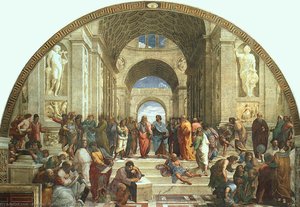 Atėjių mokykla1511
 Sistinė Madona1513
 Kristaus Pakeitimas1520
 Merkelės Santuoka1504
Esdai apie The Transfiguration (detail)
 Who Made The Transfiguration? The Story of Raphael's Final MasterpieceDiscover the artist behind The Transfiguration and the dramatic shift in style that defines this High Renaissance masterpiece
 Masterpieces of Perfection: The Top 25 Greatest Artworks by RaphaelJourney through the sublime beauty of the High Renaissance with our curated list of Raphael's top 25 masterpieces. From iconic Madonnas to …
 16th century Italian paintersMasterpieces by Titian, Michelangelo, and Raphael define the Italian Renaissance. Explore the full collection online at OriginalUniqueArt.c…