Abstract Expressionism · 1945
Untitled (Markas Rotko, 1945)
Untitled is a work by Markas Rotko (1903–1970). It dates from 1945. It belongs to the Abstract Expressionism movement. It is made in Oil On Canvas. It measures 74 × 60 cm.
- 1945
- Oil On Canvas
- 74 × 60 cm

 Peržiūrėti realaus dydžio版

 Rankinio darbo aliejinės imitacijos paveikslas
 Pasidalinti
 Dalintis
 Vadovas


 Atsisiųsti
 Panašūs eksponatai
 Rentgeno spindulių nuotrauka
 Automatinė diorama
 问答

 Statistika
Untitled: the essentials
- Title
- Untitled
- Artist
- Markas Rotko (1903–1970)
- Artist born in
- Daugavpils, Latvija
- Date
- 1945
- Medium
- Oil On Canvas
- Dimensions
- 74 × 60 cm
- Movement
- Abstract Expressionism
- Period
- Modern
- Subject
- abstract, surrealism, figure, mystery, vulnerability, decay
Looking at Untitled
A Meditation on Color and Form
Completed in 1945, this work belongs to the early period of American Abstract Expressionism. The composition relies on a subdued palette of earthy browns and ochres, interrupted by subtle washes of crimson and violet. Vertical rectangles are stacked horizontally across the canvas, creating a sense of stillness. There is no recognizable subject or narrative; instead, the arrangement of color fields directs attention to the interaction between light and shadow.
The technique utilizes alla prima, applying wet paint onto the canvas in thin layers to avoid visible brushstrokes. This method results in a rough surface where subtle variations in tone emerge through the texture of the pigment. The edges of the rectangular forms appear soft, contributing to an immersive, atmospheric effect that lacks a central focal point.
Historical and Emotional Resonance
The painting emerged in the immediate aftermath of World War II, a period marked by global uncertainty and existential anxiety. The somber tones reflect the heavy atmosphere of the era, mirroring personal and collective experiences of trauma and loss. The artist’s background, shaped by displacement from Latvia, informs this preoccupation with mortality and the search for meaning.
Symbolically, the layered rectangles may represent psychological states or spiritual realms. The tension between the dark masses and the lighter washes suggests the coexistence of opposing forces within the human psyche. By stripping away all representational detail, the work invites a personal, meditative response, prompting reflection on the nature of existence through pure color.
Untitled in high resolution
Markas Rotko, Untitled (1945).
Questions about Untitled
Kokio erdvės spalvos derėtų prie „Untitled“ – Markas Rotko spalvų?
Dėl savo Earthy paletės, „„Untitled“ – Markas Rotko“ rekomenduojamas Lounge. Spalvų derinys yra viena iš šios rekomendacijos priežasčių.
Kas sukūrė „Untitled“ ir kokiu stiliumi tai atlikta?
Kūrinį „Untitled“ sukūrė Markas Rotko, pasižymintis Abstract Expressionism stiliumi.
Kokią nuotaiką ir emociją išreiškia „Untitled“ – Markas Rotko?
Įtvirtinta „Untitled“ – Markas Rotko nuotaika yra Mystical, o emocinis tonas – Reflective.
Kokios formos ir kokie išmatavimai turi „Untitled“ – Markas Rotko?
„Untitled“ formatas yra Portrait, o originalo matmenys – 74 x 60 cm. Šie duomenys yra naudingi planuojant reprodukciją.
Ar galima atsisiųsti „Untitled“ vaizdą?
Kūrinio „Untitled“ – Markas Rotko vaizdą galite atsisiųsti puslapio Atsisiųsti skaitmeninį vaizdą skiltyje: aukštos raiškos skaitmeninio vaizdo atsisiuntimas.
Kokią emociją perteikia Abstract Expressionism stiliaus kūrinys „Untitled“?
Abstract Expressionism kryptimi Abstract Expressionism stiliaus metu „Untitled“ užfiksuotas Reflective tonu.
Kada buvo sukurta „Untitled“?
„Untitled“ – Markas Rotko sukurtas 1945 m.
Ar galiu pamatyti „Untitled“ – Markas Rotko rentgeno nuotrauką?
„Untitled“ – Markas Rotko rentginio vaizdas (X-Ray) galima rasti šio kūrinio Rentgeninis vaizdas puslapio: tai interaktyvus vaizdo tyrimas per vienuolika optinių sluoksnių.
Kaip „Untitled“ stilius susijęs su kūrėjo laikmečiu?
„Untitled“ – Markas Rotko priskiriamas Abstract Expressionism stiliui, kūrėjo prekiaujantem į Modernizmas laikotarpį.
About the artist, Markas Rotko

1903–1970, Latvija
Markas Rotko
Marko Rotko ankstyvoji gyvenimo etapa Markas Rotko gimė 1903 m. Markusas Jakovlevičius Rothkovičius. Jis gimė Dvinsk, Rusijos imperijoje, vietoje, kuri šiandien garsėja kaip Latvijos Daugavpilis. Jo šeima gyveno Pale of Settlement – politinių neramumų ir nuolatinio pogromų šešėlio apimtoje regione.
Also by Markas Rotko
 Baltas Centras1950
 No 1 (Royal Red and Blue)
 Nr. 61 (Raudonbrąziai ir mėlynas)1953
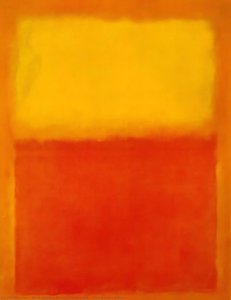 Orange and yellow1956
Essays around Untitled
 The Soul of Color: Exploring the Emotional Depth and Existential Resonance of Mark Rothko's MasterpiecesImmerse yourself in the profound emotional landscapes of Mark Rothko. Explore how his revolutionary Color Field paintings use pure pigment …
 Color Fields of Calm: Transform Luxury Interiors with Minimalist Masterpiece ReproductionsElevate your luxury interiors with museum-quality Mark Rothko reproductions. Discover how hand-painted Color Field masterpieces bring profo…
 Mark Rothko: 25 Šedevrai, Apibūdinantys Spalvų Ir Jaustmo Gylį | OriginalUniqueArtAtraskite 25 įspūdingiausius Mark Rothko kūrinius! Gilinkitės į abstraktaus meno spalvų laukus, ekspresionizmą ir jaustmingas tapybas. Meno…