Romantizmas · 1819
Balto Šuo (John Constable, 1819)
John Constable (1776–1837) sukūrė Balto Šuo. Šis kūrinys datuojamas 1819 m. Šis kūrinys priklaulo Romantizmas kieruliui. Pagaminta naudojant Aliejus ant drobės. Eksponatas saugomas The Frick Collection Niujorkas, JAV.
- 1819
- Aliejus ant drobės
- The Frick Collection, Niujorkas

 Peržiūrėti realaus dydžio版

 Rankinio darbo aliejinės imitacijos paveikslas
 Pasidalinti
 Dalintis
 Informacinė l lapelė


 Atsisiųsti
 Panašūs eksponatai
 Rentgeno spindulių nuotrauka
 Automatinė diorama
 问答

 Statistika
Balto Šuo, trumpai
- Pavadinimas
- Balto Šuo
- Autorius
- John Constable (1776–1837)
- Dizainere/is gimęs
- Ist Bergholtas, Jungtinė Karalystė
- Data
- 1819
- Mediumas
- Aliejus ant drobės
- Kur galima pamatyti
- The Frick Collection, Niujorkas, JAV
- Judėjimas
- Romantizmas
- Laikotarpis
- XIX amžius
- Tema
- pusiasvietė, upės krantai, žemė, anglija, pastoriaujimas, ramybė
Ką vaizduoja Balto Šuo?
A Pastoral Vision: Unveiling John Constable’s ‘The White Horse’
“Painting is but another word for feeling.” – John Constable. This sentiment perfectly encapsulates the essence of ‘The White Horse,’ a pivotal work by one of Britain's most beloved landscape artists, completed in 1819. More than just a depiction of rural life, this painting offers a window into Constable’s deeply personal connection with the English countryside and his revolutionary approach to landscape art.Subject & Composition: A Moment of Tranquil Industry
‘The White Horse’ presents a serene scene along the River Stour in Suffolk – an area intimately known as “Constable Country.” The painting centers around a tow-horse, patiently awaiting its task of pulling a barge upstream. Tied to the riverbank, a small boat gently reflects in the water, mirroring the lush vegetation that dominates the left side of the composition. To the right, a cluster of buildings and trees anchors the scene, providing a sense of human presence within this natural setting. The balanced arrangement, with a strong horizon line, creates a harmonious visual experience. This is one of six large-scale landscapes Constable painted – known as his ‘Six-Footers’ - intended to showcase the grandeur of the English countryside on an ambitious scale.Style & Technique: Romanticism Infused with Realism
Constable firmly established himself within the Romantic tradition, yet he infused it with a remarkable degree of realism. While embracing the dramatic lighting and emotional resonance characteristic of Romanticism, he meticulously observed and rendered details of everyday life. The painting is executed in oil on canvas, utilizing loose brushstrokes that create a textured surface and suggest movement – particularly evident in the water and sky. Atmospheric perspective plays a crucial role; distant elements are paler and less defined, enhancing the sense of depth. Constable’s technique wasn't about precise imitation but capturing the feeling of a place, its atmosphere, and its light.Historical Context & Artistic Innovation
In 1819, landscape painting was often viewed as secondary to historical or portraiture work. Constable challenged this hierarchy by elevating the humble English countryside to the level of high art. ‘The White Horse’ marked a turning point in his career and garnered significant attention at the Royal Academy exhibition that year, leading to his election as an Associate. Interestingly, while initially underappreciated in England, Constable's work profoundly influenced French artists, particularly those associated with the Barbizon School, who embraced his naturalistic approach.Symbolism & Emotional Impact: Harmony and Nostalgia
Beyond its aesthetic beauty, ‘The White Horse’ carries symbolic weight. The scene suggests a harmonious relationship between humanity and nature – a gentle industry coexisting peacefully within the landscape. The tow-horse itself can be interpreted as a symbol of labor and perseverance. The overall effect is one of tranquility, nostalgia, and an idealized vision of rural life. Constable wasn't simply recording what he saw; he was conveying his deep affection for the land and its traditions.Collecting & Interior Design Considerations
‘The White Horse’ – or a high-quality reproduction – lends itself beautifully to a variety of interior design schemes. Its muted palette of greens, blues, and browns creates a calming atmosphere, making it ideal for living rooms, studies, or bedrooms. The painting's scale demands attention, serving as a focal point in any space. For collectors, owning a print of this work is acquiring a piece of British art history – a testament to Constable’s enduring legacy and his ability to capture the soul of the English countryside.- Style: Romanticism with Realist elements
- Medium: Oil on Canvas
- Period: 19th Century (1819)
- Current Location: The Frick Collection, New York City
Kuriame muziejuje eksponuojamas karya Balto Šuo?
The Frick Collection
Niujorkas, JAV
The Frick Collection kilmės ir istorija The Frick Collection istorija prasidėjo nuo asmeninių Henry Clay Frick, amerikano pramonininko, finansininko ir meno globėjo, kolekcijos sukaupti. Jo kolekcija buvo formuojama per itin subtilų ir aštrią Europos meno suvokimą, kuris laiku tapo pagrindu visai viešai institucijai. 1920 metais jo turto valdytojai įkūrė „The Frick Collection Inc.“, siekdami užtikrinti šių šedevrų išsaugojimą ir rūpybą.


Balto Šuo dididraudžios kokybės vaizdai

Viešoji domenė: suregalis mirė 1837 m.
Kiti dydžiai, iškarai ir citavimo informacija →John Constable, Balto Šuo (1819), The Frick Collection. Viešoji domenė.
Spalvos suderintos su originalu skaitmeninio eksperto, failas kruopščiai retušuotas ir tiksliai atitinkantis autoriaus brushwork stilių.
Atsisiųskite aukštos iš}|$resolution iš høj-resolution failoAtsakimai į klausimus apie Balto Šuo
Kur šiandien galima pamatyti kūrinį „Balto Šuo“ – John Constable?
Originalų kūrinį „Balto Šuo“ galite pamatyti The Frick Collection, Niujorkas, JAV.
Kada buvo sukurta „Balto Šuo“?
„Balto Šuo“ – John Constable sukurtas 1819 m.
Kokia technika panaudota kūriniui „Balto Šuo"]?
„Balto Šuo“ – John Constable technika – Aliejus ant drobės. Kopijos siekia atkartoti šios technikos vaizdą.
Kokios temos atsispindi kūrynioje „Balto Šuo“ – John Constable?
Darbos „Balto Šuo“ temos yra pusiasvietė, upės krantai, žemė, anglija, pastoriaujimas, ramybė, atmosfera, nostalgija.
Ar „Balto Šuo“ – John Constable vaizdą galima laisvai reprodukcijaoti?
Autorių teisių statusas kūriniui „Balto Šuo“ – John Constable: kūrinys priklauso yra viešosios erdvės dalis – jo autorinė teisė pasibaigusi. Tai nulemia, ar galima laisvai reprodukciuoti šį vaizdą.
Kuriam menininkui priskiriamas kūrinys „Balto Šuo“?
„Balto Šuo“ priskiriamas John Constable.
Kokiam meno stiliui priklauso „Balto Šuo“ – John Constable?
„Balto Šuo“ – John Constable priklauso Romantizmas stiliui. Ši dailės kryptis suteikia kūriniui stilistinį kontekstą.
Kokį John Constable kūrybos etapą atspindi „Balto Šuo“?
John Constable kūrybos enceklopedijoje kūrinys „Balto Šuo“ priskiriamas Vyresnioji laikotarpiui. Šis etapas leidžia palyginti jį su kitais šio autoriaus kūriniais.
Kokia buvo John Constable amžius sukuriant „Balto Šuo"]?
John Constable „Balto Šuo“ sukūrė būdamas 43 metų amžiaus.ت Artistas gimė 1776, o kūrinys datuojamas 1819 metais.
Apie šį menininką, John Constable
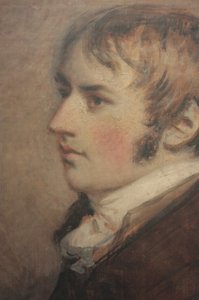
1776–1837, Jungtinė Karalystė
John Constable
Pradinis gyvenimas, šeima ir mokslai John Constable gimė 1776 metais Suffolk vyskupiage, East Bergholt kaimelyje. Jis buvo dvajasis Goldingo ir Ann (Watts) Constable sūnus. Jo tėvas buvo sėkmingas grūdos ir anglies verslininkas, valdantis Flatford malą. Šis ryšys su upe ir vietine prekyba reiškia, kad vandens ritmai ir prekių judėjimas buvo kasdienios šeimos būtenybės dalis.
Taip pat John Constable darbai
 Šienapjūtė1821
 Salisbury katedros vaizdas iš vyskupo valdomų žemės1823
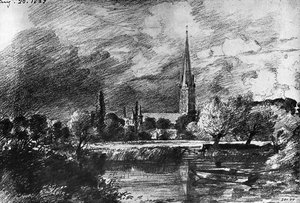 Salisbury katedra
 Šienovežis (detalė)1821

Esdai apie Balto Šuo
 Mastering the English Landscape: The Top 25 Artworks by John ConstableImmerse yourself in the soul of the English countryside with our curated guide to John Constable's top 25 masterpieces. Explore the emotive…
 Capturing the English Landscape: The Timeless Mastery and Romantic Legacy of John ConstableExplore the profound legacy of John Constable. Discover how his mastery of light, atmosphere, and the English landscape redefined Romantici…
 British artworks of the 1820sBritish Romanticism in the 1820s features the iconic works of J.M.W. Turner, John Constable, and William Blake. View the full collection at…