Impressionistic Sketching
The Orchard (James Ensor)
James Ensor (1860–1949) sukūrė The Orchard. Šis kūrinys priklaulo Impressionistic Sketching kieruliui. Pagaminta naudojant Acrylic On Canvas. Eksponatas saugomas Harvard Art Museums Kembrižas, JAV.
- Acrylic On Canvas
- Harvard Art Museums, Kembrižas

 Peržiūrėti realaus dydžio版

 Rankinio darbo aliejinės imitacijos paveikslas
 Pasidalinti
 Dalintis
 Informacinė l lapelė


 Atsisiųsti
 Panašūs eksponatai
 Rentgeno spindulių nuotrauka
 Automatinė diorama
 问答

 Statistika
The Orchard, trumpai
- Pavadinimas
- The Orchard
- Autorius
- James Ensor (1860–1949)
- Dizainere/is gimęs
- Ostendė, Belgija
- Mediumas
- Acrylic On Canvas
- Kur galima pamatyti
- Harvard Art Museums, Kembrižas, JAV
- Judėjimas
- Impressionistic Sketching
- Laikotarpis
- Early Medieval
- Tema
- orchard, landscape, sketch, trees, rural, sketching
Ką vaizduoja The Orchard?
A Silent Orchard’s Echoes: James Ensor's "The Orchard"
James Ensor’s “The Orchard,” painted in 1886, isn’t merely a depiction of a rural landscape; it’s a carefully constructed psychological portrait rendered with the unsettling precision that defined the artist’s unique vision. Born in Ostend, Belgium, amidst a vibrant carnival scene – a world of masks and theatricality – Ensor carried this fascination throughout his career, translating its inherent ambiguity into his art. “The Orchard” embodies this perfectly, presenting a seemingly tranquil vista that immediately hints at something deeper, something subtly unsettling beneath the surface. The painting’s monochrome palette—a carefully orchestrated dance of grays—immediately establishes an atmosphere of quiet contemplation and restrained emotion. It's not a celebration of nature’s beauty in its purest form, but rather a considered observation filtered through Ensor’s intensely personal lens.Composition and Technique: A Sketch from the Soul
The composition is deceptively simple, yet profoundly effective. A modest building—perhaps a farmhouse or a small dwelling—nestles within a cluster of trees that recede into a hazy distance. The arrangement isn’t one of dramatic perspective; instead, it feels like a quick sketch, an impression captured in charcoal or pencil – a deliberate choice by Ensor to convey immediacy and spontaneity. Notice the visible strokes, the delicate layering of lines that build up form and texture. This technique—a hallmark of Ensor's style—is not about meticulous detail but rather about capturing the *feeling* of the scene, the way light falls on bark and shadow plays across leaves. The use of hatching and cross-hatching creates a tactile quality, inviting the viewer to almost reach out and touch the surface of the painting. The artist’s hand is undeniably present, lending an intimate and slightly melancholic quality to the work.Symbolism and the Weight of Memory
While seemingly straightforward, “The Orchard” bristles with symbolic weight. The muted colors, the solitary building, and the dense foliage all contribute to a sense of isolation and introspection. Considering Ensor’s background—his childhood spent amidst the spectacle of carnival masks – it's not surprising that this motif reappears here, albeit subtly. The orchard itself can be interpreted as a metaphor for memory, a place where fragments of the past are preserved and revisited. The building, small and unassuming, suggests a retreat from the world, a space for quiet contemplation—or perhaps, for dwelling on unresolved emotions. The lack of vibrant color further reinforces this sense of melancholy, suggesting that even in a beautiful setting, there’s an underlying sadness.Historical Context & Influences
- Ensor's work is often associated with the Symbolist movement and foreshadows Expressionism, emphasizing emotional intensity over realistic representation.
- His use of masks and theatrical elements reflects a broader interest in exploring the darker aspects of human psychology.
- The painting’s stark monochrome palette aligns with the artistic trends of late 19th-century Europe, where artists sought to move beyond traditional academic styles.
An Emotional Resonance: A Quiet Contemplation
Ultimately, “The Orchard” is a profoundly moving work that transcends its simple subject matter. It’s not a painting about apples or trees; it's a painting about the human condition—about memory, loss, and the quiet beauty of solitude. The subdued colors and expressive brushstrokes evoke a sense of melancholy and introspection, inviting viewers to contemplate their own personal histories and emotional landscapes. Reproductions of this piece offer a remarkable opportunity to bring this evocative atmosphere into any space, providing a focal point for reflection and conversation. It’s a testament to Ensor's genius that a seemingly simple orchard can hold such profound depth and resonance.Kuriame muziejuje eksponuojamas karya The Orchard?
Harvard Art Museums
Kembrižas, JAV
Harvard Art Museums istorija Harvard Art Museums yra neatsiejama Harvardo universiteto dalis. Ši institucija savo dabartinę formą įgavo 1983 metais, kai buvo suvienytos trys skirtingos institucijos. Šis susidvejimas apjungė 1895 m.


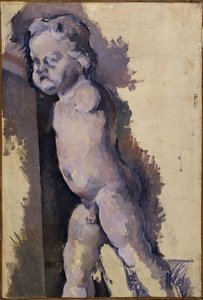
The Orchard dididraudžios kokybės vaizdai
Viešoji domenė: suregalis mirė 1949 m.
James Ensor, The Orchard, Harvard Art Museums. Viešoji domenė.
Atsakimai į klausimus apie The Orchard
Kur galima pamatyti „The Orchard“ – James Ensor originalą?
Originalų kūrinį „The Orchard“ galite pamatyti Harvard Art Museums, Kembrižas, JAV.
Kokia technika panaudota kūriniui „The Orchard"]?
„The Orchard“ technika – Acrylic On Canvas.
Kas yra „The Orchard“?
Darbos „The Orchard“ temos yra orchard, landscape, sketch, trees, rural, sketching, monochrome.
Ar „The Orchard“ yra viešosios teisės kūrinys?
Kalbant apie autorišką teisę, „The Orchard“ yra yra viešosios erdvės dalis – jo autorinė teisė pasibaigusi.
Kuriam menininkui priskiriamas kūrinys „The Orchard“?
Kūrinį „The Orchard“ sukūrė James Ensor. Darbas katalogizuojamas James Ensor vardu.
Kokiam stiliui priklauso „The Orchard“?
„The Orchard“ – James Ensor priklauso Impressionistic Sketching stiliui. Ši dailės kryptis suteikia kūriniui stilistinį kontekstą.
Kokį James Ensor kūrybos etapą atspindi „The Orchard“?
„The Orchard“ priklauso James Ensor kūrybos karjeros Late Period etapui. Ši klasifikacija atspindi kūrinio ryšį su menininko evoliucija.
Kokia yra autorinės teisės situacijos priežastis kūriniam darbui „The Orchard“ – James Ensor?
„The Orchard“ – James Ensor yra yra viešosios erdvės dalis – jo autorinė teisė pasibaigusi. Autorinės teisės galioja nuo mirties metų, kai šis kūrėjas mirė 1949 m.
Ar kūrinys „The Orchard“ – James Ensor saugomas originalaus paveikslautojo valstybėje?
Ne – kūrinys saugomas užsienyje. kūrinys „The Orchard“ saugomas JAV, o James Ensor gimė Belgija.
Apie šį menininką, James Ensor

1860–1949, Belgija
James Ensor
Pradinis gyvenimas, šeima ir meninė mokslas James Ensoras gimė 1860 m. balandžio 13 d. Ostende, Belgijoje. Jo tapatybę lemė ypatingas kultūrų susiliejimas: jo tėvas, James Frederic Ensor, gimė Briuselyje angliškos šeimos, o motina, Maria Catherina Haegheman, buvo belgė.
Taip pat James Ensor darbai
 Kristaus į Bruselį įėjimas1888
 Savas Veido Portretas su Maskomis1899
 Prauno Ostende
 Šešėliai šildosi1889
Esdai apie The Orchard
 19th Century Masterpieces: 10 Paintings That Defined an Era | OriginalUniqueArtJourney through 19th century art with OriginalUniqueArt! Explore 10 iconic paintings – from Monet & Renoir to Courbet – and discover the st…
 The Impressionist’s Sanctuary: Light and Water in Monet’s Giverny GardenExplore Monet's Giverny through expert analysis of his light and water techniques. Step into the master's garden today.
 Emotional Transmutation in Visual Art: A Study of Affective Representation Through Color, Form, and TextureExplore the fascinating intersection of art & emotion! Discover how color, form, and texture convey feelings in masterpieces. Expert analys…