High Renaissance · 1518
Jacob's Dream (Rafaelis, 1518)
Rafaelis (1483–1520) sukūrė Jacob's Dream. Šis kūrinys datuojamas 1518 m. Šis kūrinys priklaulo High Renaissance kieruliui. Pagaminta naudojant Fresco.
- 1518
- Fresco

 Rankinio darbo aliejinės imitacijos paveikslas
 Pasidalinti
 Dalintis
 Informacinė l lapelė


 Atsisiųsti
 Panašūs eksponatai
 Automatinė diorama
 问答

 Statistika
Jacob's Dream, trumpai
- Pavadinimas
- Jacob's Dream
- Autorius
- Rafaelis (1483–1520)
- Dizainere/is gimęs
- Urbinas, Italija
- Data
- 1518
- Mediumas
- Fresco
- Judėjimas
- High Renaissance
- Laikotarpis
- Renaissance
- Tema
- biblical narrative, dream imagery, religious symbolism, angel ascension, italian renaissance, jacob's vision
Ką vaizduoja Jacob's Dream?
A Vision of Divine Ascent: The Celestial Majesty of Raphael’s Jacob’s Dream
In the heart of the High Renaissance, amidst the intellectual fervor of Rome, Raphael Sanzio captured a moment of profound spiritual transcendence in his 1518 masterpiece, Jacob’s Dream. Originally conceived for the prestigious Loggia of the Palazzo Nuovo under the patronage of Pope Leo X, this fresco is far more than a mere biblical illustration; it is a breathtaking window into the divine. The scene breathes with the life of Genesis, depicting the patriarch Jacob as he rests upon a stone altar, caught in the liminal space between sleep and revelation. As he lies in contemplative repose, his eyes are drawn upward to witness a celestial procession: angels ascending and descending a heavenly ladder, bridging the gap between the earthly realm and the infinite heavens.
Raphael’s technical mastery is on full display through his sophisticated use of sfumato and linear perspective, techniques that lend the composition an almost palpable atmospheric depth. By subtly blurring edges and layering pigments with remarkable luminosity, he creates an illusionistic space that pulls the viewer into the dreamscape. The movement within the painting is masterfully orchestrated; the dynamic upward trajectory of the angels creates a sense of rhythmic energy, while the presence of birds circling above Jacob’s head serves as a poignant metaphor for divine messengers. Every brushstroke contributes to a sense of weightlessness and grace, making the ethereal quality of the dream feel strikingly real.
Symbolism and the Humanist Spirit
Beyond its visual splendor, Jacob’s Dream is a profound meditation on the human condition and our yearning for spiritual enlightenment. The stone altar upon which Jacob rests serves as a symbol of humility and groundedness, representing the physical world from which all spiritual aspiration begins. The ascending angels embody the movement of grace—the soul's upward climb toward God. This interplay between the heavy, terrestrial elements and the light, celestial figures reflects the core tenets of Renaissance humanism: the belief that through intellect, faith, and beauty, humanity can reach toward the divine. For the discerning collector or interior designer, this piece offers a sophisticated narrative of hope, aspiration, and the eternal search for meaning.
The emotional impact of the work lies in its ability to evoke both awe and tranquility. There is a quietude in Jacob’s slumber that invites introspection, yet the vibrant colors and intricate details of the heavenly figures stir the imagination. It is an artwork that commands presence in any space, offering a focal point of intellectual depth and aesthetic elegance. Whether viewed as a historical relic of the papal court or as a timeless symbol of spiritual journeying, Raphael’s vision remains an enduring testament to the power of art to capture the intangible essence of the soul.
Jacob's Dream dididraudžios kokybės vaizdai

Viešoji domenė: suregalis mirė 1520 m.
Kiti dydžiai, iškarai ir citavimo informacija →Rafaelis, Jacob's Dream (1518). Viešoji domenė.
Atsakimai į klausimus apie Jacob's Dream
Kada buvo sukurta „Jacob's Dream“?
„Jacob's Dream“ sukurta 1518 m. Ši data leidžia įvardyti kūrinį Rafaelis kūrybinėje karjeroje bei jo epochoje.
Kokia technika sukurta „Jacob's Dream“ – Rafaelis?
„Jacob's Dream“ – Rafaelis technika – Fresco. Kopijos siekia atkartoti šios technikos vaizdą.
Kokios temos atsispindi kūrynioje „Jacob's Dream“ – Rafaelis?
„Jacob's Dream“ – Rafaelis temos apima biblical narrative, dream imagery, religious symbolism, angel ascension, italian renaissance, jacob's vision, classical composition. Kartu jie apibendrina šio kūrinio tematiką.
Ar „Jacob's Dream“ – Rafaelis priklauso viešosios teisės domenui?
Autorių teisių statusas kūriniui „Jacob's Dream“ – Rafaelis: kūrinys priklauso yra viešosios erdvės dalis – jo autorinė teisė pasibaigusi. Tai nulemia, ar galima laisvai reprodukciuoti šį vaizdą.
Kuriam menininkui priskiriamas kūrinys „Jacob's Dream“?
„Jacob's Dream“ priskiriamas Rafaelis.
Kokiam stiliui priklauso „Jacob's Dream“?
Kūrinio „Jacob's Dream“ – Rafaelis stilius – High Renaissance. Ši klasifikacija leidžia šį darbą įtraukti į bendrą susijusių menininkų ir kūrinių kontekstą.
Kokį Rafaelis kūrybos etapą atspindi „Jacob's Dream“?
Rafaelis kūrybos enceklopedijoje kūrinys „Jacob's Dream“ priskiriamas Mature Period laikotarpiui. Šis etapas leidžia palyginti jį su kitais šio autoriaus kūriniais.
Kokia buvo Rafaelis amžius sukuriant „Jacob's Dream"]?
Rafaelis buvo 35 metų, kai 1518 m. sukūrė kūrinį „Jacob's Dream“. Amžius apskaičiuotas remiantis gimimo metais 1483.
Kokia yra autorinės teisės situacijos priežastis kūriniam darbui „Jacob's Dream“ – Rafaelis?
„Jacob's Dream“, kurį sukūrė Rafaelis, yra yra viešosios erdvės dalis – jo autorinė teisė pasibaigusi. Autorinės teisės apsaugos terminai skaičiuojami nuo autoriaus mirties, o Rafaelis mirė 1520 m.
Apie šį menininką, Rafaelis

1483–1520, Italija
Rafaelis
Rafaelo: Renesanso Šviesos ir Grožio Simbolis Rafaelas Sanzias da Urbinas, pasauliui žinomas tiesiog Rafaeliu, iškilęs iš nepaprastai deramo kultūrinio kraštovaizdžio. Gimė 1483 metais Urbino miesto sienų viduje, mažo, bet intelektualiai gyvybingo valstiečių miesto centrinėje Italijoje. Jo ankstyvieji metai buvo įmerkiami į atmosferą, kuri vertino tiek meninę kūrybę, tiek humanistinį mokymąsi. Tėvas, Džovanis Santis, nebuvo tik dailininkas, dirbęs kunigaikščio Federiko da Montefeltro – jis buvo vyras, giliai įsitraukęs į Renesanso minties sroves, poetas, aprašęs kunigaikščio gyvenimą ir aktyviai ieškojęs naujų meninių idėjų iš visos Italijos ir už jos ribų.
Taip pat Rafaelis darbai
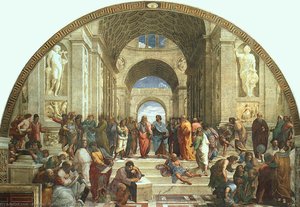 Atėjių mokykla1511
 Sistinė Madona1513
 Kristaus Pakeitimas1520
 Merkelės Santuoka1504
Esdai apie Jacob's Dream
 Masterpieces of Perfection: The Top 25 Greatest Artworks by RaphaelImmerse yourself in the grace of the High Renaissance. Explore 25 iconic masterpieces by Raphael, from divine Madonnas to legendary frescoe…
 High Renaissance vs. Mannerism: Harmony and the Shift to TensionMaster the shift from Renaissance harmony to Mannerist tension with our expert art analysis. Discover the evolution of Italian masterpieces…
 25 Masterpieces by Duccio di Buoninsegna: The Dawn of Sienese ArtJourney through the divine beauty of Duccio di Buoninsegna’s greatest works. From the Sienese School to Byzantine elegance, explore 25 time…