Dadaism
Cigarette (Marcel Duchamp)
Marcel Duchamp (1887–1968) sukūrė Cigarette. Šis kūrinys priklaulo Dadaism kieruliui. Pagaminta naudojant Gelatin Silver Print.
- Gelatin Silver Print

 Rankinio darbo aliejinės imitacijos paveikslas
 Pasidalinti
 Dalintis
 Informacinė l lapelė


 Atsisiųsti
 Panašūs eksponatai
 Automatinė diorama
 问答

 Statistika
Cigarette, trumpai
- Pavadinimas
- Cigarette
- Autorius
- Marcel Duchamp (1887–1968)
- Dizainere/is gimęs
- Blainville-Crevon, Prancūzija
- Mediumas
- Gelatin Silver Print
- Judėjimas
- Dadaism
- Laikotarpis
- Modern
- Tema
- cigarette, minimalism, duchamp, consumerism, transience, shadow
Ką vaizduoja Cigarette?
The Poetics of the Mundane: A Study in Stillness
In the quiet, starkly minimalist realm of Marcel Duchamp’s Cigarette, the viewer is invited into an intimate encounter with the overlooked. This photographic study does not seek to dazzle with vibrant color or complex scenery; instead, it finds its power in a profound, almost meditative focus on a single, partially smoked object. Positioned vertically within the frame, the cigarette acts as a singular axis around which the entire composition revolves. The starkness of the presentation strips away the distractions of the outside world, forcing an intense confrontation with the textures of tobacco and paper. A soft, directional light casts a gentle shadow to the right, grounding the subject in a tangible space and providing just enough depth to transform a flat image into a sculptural presence.
The aesthetic experience of this piece is defined by its muted, monochromatic elegance. Shades of beige, grey, and earthy brown dominate the palette, reflecting the natural, organic decay of the object itself. There is a tactile richness found in the granular surface of the cigarette, where the rough, fibrous nature of the tobacco meets the smooth, worn edges of the paper. This interplay of textures—the sharp, irregular lines of the subject contrasted against the soft, diffused blur of its shadow—creates a visual rhythm that is both soothing and intellectually stimulating. For the collector or interior designer, this work offers a sophisticated neutral element that brings a sense of calm, intellectual depth, and understated luxury to any modern space.
Dadaist Echoes and the Art of Choice
To understand Cigarette, one must look toward the revolutionary spirit of its creator. Marcel Duchamp was a primary architect of the Dada movement, a period characterized by a radical rejection of traditional aesthetic values. Through his concept of the "readymade," Duchamp challenged the very definition of art, suggesting that an artist's most potent tool is not their brushstroke, but their choice. By isolating this everyday object and presenting it through the lens of fine art photography, he elevates a transient, disposable item to a position of permanent contemplation. The work serves as a bridge between the mundane reality of daily habit and the elevated realm of artistic significance.
Beyond its historical importance, the piece carries a heavy symbolic weight that resonates with the human condition. The partially smoked cigarette, caught in a moment of mid-consumption, evokes themes of transience, the passage of time, and the ephemeral nature of life's small pleasures. It is a quiet commentary on consumerism and the beauty found within the discarded. For those seeking to decorate a space with art that provokes thought, this reproduction offers more than mere decoration; it provides a window into the twentieth century’s most profound philosophical shifts, making it an essential acquisition for any serious enthusiast of modern art history.
Cigarette dididraudžios kokybės vaizdai
Autorių teisės apsaugotos: vaizdas pateikiamas tik informacinėms tikslams.
Kiti dydžiai, iškarai ir citavimo informacija →Marcel Duchamp, Cigarette.
Atsakimai į klausimus apie Cigarette
Kokia technika sukurta „Cigarette“ – Marcel Duchamp?
„Cigarette“ technika – Gelatin Silver Print.
Kokios temos atsispindi kūrynioje „Cigarette“ – Marcel Duchamp?
„Cigarette“ – Marcel Duchamp vaizdeletas: cigarette, minimalism, duchamp, consumerism, transience, shadow, monochrome, everyday object.
Ar „Cigarette“ – Marcel Duchamp priklauso viešosios teisės domenui?
„Cigarette“ – Marcel Duchamp yra vis dar saugoma autorineje teisėje. Šis statusas nustato, kaip galima reprodukcijaus šio kūrinio vaizdą.
Kas sukūrė „Cigarette“?
„Cigarette“ priskiriamas Marcel Duchamp.
Kokiam meno stiliui priklauso „Cigarette“ – Marcel Duchamp?
Kūrinio „Cigarette“ – Marcel Duchamp stilius – Dadaism. Ši klasifikacija leidžia šį darbą įtraukti į bendrą susijusių menininkų ir kūrinių kontekstą.
Kokį Marcel Duchamp kūrybos etapą atspindi „Cigarette“?
Marcel Duchamp kūrybos enceklopedijoje kūrinys „Cigarette“ priskiriamas Dadaist Era laikotarpiui. Šis etapas leidžia palyginti jį su kitais šio autoriaus kūriniais.
Ar Marcel Duchamp kūrinys „Cigarette“ yra viešosios nuoslegos ir kodėl?
„Cigarette“, kurį sukūrė Marcel Duchamp, yra vis dar saugoma autorineje teisėje. Autorinės teisės apsaugos terminai skaičiuojami nuo autoriaus mirties, o Marcel Duchamp mirė 1968 m.
Kokią vietą Marcel Duchamp kūrybos ešėlyje užima „Cigarette“?
Marcel Duchamp kūryboje „Cigarette“ atlieka Dadaism stilių, susijęs su challenging artistic conventions, ready-made, consumer culture, questioning value systems, dadaist critique of norms, exploring everyday objects temomis.
Kaip „Cigarette“ tema susiję su įprastomis Marcel Duchamp tematikos temos?
Tarp užfiksuotų Marcel Duchamp temų – challenging artistic conventions, ready-made, consumer culture, questioning value systems, dadaist critique of norms, exploring everyday objects – kūrinys „Cigarette“ akcentuoja cigarette, minimalism, duchamp, consumerism, transience, shadow, monochrome, everyday object.
Apie šį menininką, Marcel Duchamp
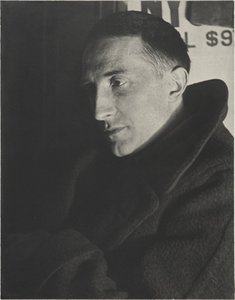
1887–1968, Prancūzija
Marcel Duchamp
Revoliucijos Siela: Marcelio Duchampo Gyvenimas ir Menas Marcelis Duchampas, gimęs Henri-Robert-Marcel Duchamp 1887 metais Blainville-Crevone, Normandijoje, nebuvo tik menininkas; tai buvo filosofinis provokatorius, kuris fundamentaliai pakeitė šiuolaikinės dailės eigą. Jo ankstyvieji metai, nors ir atrodę įprasti – auginami šeimoje, vertinusioje meninę raišką, su broliais sekusiais sėkmingas karjeras mene – numojo į artėjančią ikonoklastiją. Duchampas pradžioje ėjo formalų mokymąsi, įvaldydamas tradicinius metodus ir eksperimentuodamas su post-impresionistiniu stiliumi. Tačiau šis akademinis pagrindas netapo saviveiksle, o veikiau trampilinu, kuris iššūkį metė pačiai meno prigimsčiai, paskirčiai ir apibrėžčiai.
Taip pat Marcel Duchamp darbai
 Nusileidžiantis nuostotas laiptais, Nr. 21912
 Liūdnas jaunasis vyras trake1911
 Duota: 1. Vodopadą, 2. Iluminacijų dujas1966
 Šaltinis1917
Esdai apie Cigarette
 Dadaism Explained: The Anti-Art Movement That Redefined ModernityExplore the radical origins of Dadaism. From the chaos of WWI to Marcel Duchamp's revolutionary readymades, discover how this anti-art move…
 Impresionizmo Šedevrai: 10 Paveikslų, Apibrėžusių Meninę Era | OriginalUniqueArt.comAtraskite 10 įspūdingiausių impresionizmo šedevrų! Claude Monet, Degas, Renoir ir kiti – meno istorijos perlas. Aliejiniai paveikslai jūsų …
Smoke & Soul: How Tobacco Imagery Shapes Cinematic Drama and Fine ArtExplore how smoke and lighting drive cinematic drama and Baroque mastery. Discover the visual power of atmosphere now.