Expressionism · 1915
Marching (Marc Chagall, 1915)
Marc Chagall (1887–1985) sukūrė Marching. Šis kūrinys datuojamas 1915 m. Šis kūrinys priklaulo Expressionism kieruliui. Pagaminta naudojant Acrylic On Canvas.
- 1915
- Acrylic On Canvas

 Peržiūrėti realaus dydžio版

 Rankinio darbo aliejinės imitacijos paveikslas
 Pasidalinti
 Dalintis
 Vadovas


 Atsisiųsti
 Panašūs eksponatai
 Rentgeno spindulių nuotrauka
 Automatinė diorama
 问答

 Statistika
Marching: pagrindinė informacija
- Pavadinimas
- Marching
- Autorius
- Marc Chagall (1887–1985)
- Dizainere/is gimęs
- Liozna, Baltarusija
- Data
- 1915
- Mediumas
- Acrylic On Canvas
- Judėjimas
- Expressionism
- Tema
- uniform, roof, sky, clock, figures, folklore
Ką vaizduoja Marching?
A Symphony of Color and Memory: Exploring Marc Chagall's "I Am Alone"
Marc Chagall’s “I Am Alone,” painted in 1915, isn’t merely a depiction of solitude; it’s an embodiment of existential angst rendered in the breathtaking language of Expressionism. Created during the turbulent years preceding World War I—a period marked by anxieties about national identity and impending conflict—the painting transcends its immediate historical context to speak to universal themes of isolation and longing. It's housed in the Musée d'Orsay, Paris, a testament to Chagall’s enduring influence on modern art.- Subject Matter: The canvas portrays a man standing alone on a rooftop amidst a swirling panorama of fantastical figures—a woman with outstretched arms, a child perched precariously on the edge of the roof, and several other stylized individuals drifting upwards into the heavens.
- Style: Chagall’s style is unmistakably Expressionist. Rejecting representational accuracy in favor of emotional intensity, he employs bold colors—primarily yellows, blues, and reds—to convey mood and feeling rather than to faithfully reproduce reality. The figures themselves are distorted and stylized, imbued with a dreamlike quality that defies logical interpretation.
Technique: Bold Brushstrokes and Layered Color
Chagall’s technique is characterized by thick, impasto brushstrokes—meaning the paint is applied in layers so thickly that it stands up prominently from the surface of the canvas. This textural approach contributes significantly to the painting's dramatic impact, creating a palpable sense of movement and conveying the artist’s emotional state directly onto the artwork. The colors are blended strategically to create luminous washes and vibrant accents, enhancing the overall visual richness.- Color Palette: The dominant hues—golden yellows symbolizing warmth and optimism juxtaposed with deep blues representing melancholy and uncertainty—are deliberately chosen to evoke specific emotions. Chagall’s masterful use of color underscores the painting's psychological depth.
- Composition: The rooftop setting serves as a focal point, anchoring the swirling figures and emphasizing the man’s isolation. The upward trajectory of the figures symbolizes aspiration but also hints at vulnerability—a yearning for connection amidst overwhelming circumstances.
Symbolism: Folklore and Existential Concerns
“I Am Alone” is replete with symbolic references drawn from Jewish folklore and Kabbalah—the mystical tradition of Judaism. The woman with outstretched arms represents compassion and maternal care, while the child symbolizes innocence and vulnerability. The swirling figures embody the chaotic forces of fate and the anxieties surrounding impending war. More broadly, the painting explores profound existential questions about human existence—questions concerning identity, purpose, and the inevitability of suffering.Ultimately, Chagall’s “I Am Alone” transcends its historical origins to resonate with viewers across generations. It's a hauntingly beautiful meditation on solitude, loss, and the enduring quest for meaning—a masterpiece that continues to inspire awe and provoke contemplation decades after its creation.
Marching dididžioja:resoliucija

Autorių teisės apsaugotos: vaizdas pateikiamas tik informacinėms tikslams.
Daugiau variantų, iškaržymų ir citavimo →Marc Chagall, Marching (1915).
Dalykas Marching: klausimai
Kokia yra „Marching“ – Marc Chagall kūrybos data?
„Marching“ – Marc Chagall kūrybos metai – 1915.
Kokia technika buvo panaudota kūriniam darbui „Marching“ – Marc Chagall?
„Marching“ technika – Acrylic On Canvas.
Kokios temos atsispindi kūrynioje „Marching“ – Marc Chagall?
„Marching“ – Marc Chagall vaizdeletas: uniform, roof, sky, clock, figures, folklore, dreams.
Ar „Marching“ – Marc Chagall vaizdą galima laisvai reprodukcijaoti?
Autorių teisių statusas kūriniui „Marching“ – Marc Chagall: kūrinys priklauso vis dar saugoma autorineje teisėje. Tai nulemia, ar galima laisvai reprodukciuoti šį vaizdą.
Kas sukūrė „Marching“?
Kūrinį „Marching“ sukūrė Marc Chagall. Darbas katalogizuojamas Marc Chagall vardu.
Kokiam meno stiliui priklauso „Marching“ – Marc Chagall?
Kūrinio „Marching“ – Marc Chagall stilius – Expressionism. Ši klasifikacija leidžia šį darbą įtraukti į bendrą susijusių menininkų ir kūrinių kontekstą.
Kokį Marc Chagall kūrybos etapą atspindi „Marching“?
„Marching“ priklauso Marc Chagall kūrybos karjeros Mature Period etapui. Ši klasifikacija atspindi kūrinio ryšį su menininko evoliucija.
Kiek metų buvo Marc Chagall, kai sukūrė „Marching“ 1915 m.?
Marc Chagall „Marching“ sukūrė būdamas 28 metų amžiaus.ت Artistas gimė 1887, o kūrinys datuojamas 1915 metais.
Ar Marc Chagall kūrinys „Marching“ yra viešosios nuoslegos ir kodėl?
Autorinės teisės statusas kūriniui „Marching“ – vis dar saugoma autorineje teisėje – nustatomas remiantis to, kad menininkas mirė 1985 m.
Apie šį menininką, Marc Chagall
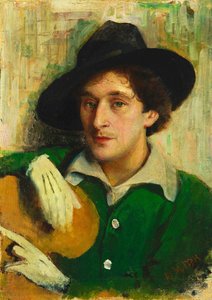
1887–1985, Baltarusija
Marc Chagall
Sapne dažytas pasaulis: Marco Šagalo gyvenimas Markas Šagalas, gimęs Moše Segalu 1887 m. liepos 7 d. mažame Baltarusijos miestelyje Lioznoje netoli Vitebsko, nebuvo tik dailininkas; jis buvo spalvų poetas, svajonių audėjas ir atminties kronikorius. Jo gyvenimas, apimantis beveik šimtmetį, atspindėjo XX amžiaus sūkurius, tačiau jo meno kūriniuose išliko tvirtai įsišaknijęs giliai asmeninė vizija – persmelkta jo hasidinio žydų palikto folkloru ir neblėstančiu tikėjimu vaizduotės jėga.
Taip pat Marc Chagall darbai
 Esmane ir kaimas1911
 Baltas kryžiaus męsti1938
 Marc Chagall, gimęs 1887 metais mažame Belaruso miestelyje Lioznoje netoli Vitebsko, nebuvo tik dailininkas; jis buvo spalvų poetas, svajonių audėjas ir atminties kroniklis. Jo gyvenimas, apėmęs beveik šimtmetį, atspindėjo XX amžiaus įvykių sūkurį, tačiau1915
 Virš miesto1918
Esdai apie Marching
 The Language of Brushstrokes: How Artistic Technique Expresses Emotion and EraExplore the profound connection between artistic technique and emotion. From the heavy impasto of Van Gogh to classical mastery, learn how …
 Dreaming in Color: The 25 Most Iconic Masterpieces by Marc ChagallStep into the dreamlike world of Marc Chagall. Explore 25 iconic masterpieces, from vibrant surrealist tales to soulful folklore. Find insp…
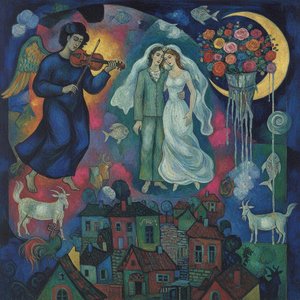 Marc Chagall’s Masterpieces: Exploring the Magic, Color, and Surrealist Legacy of a Modernist IconEmbark on a journey through the dreamlike masterpieces of Marc Chagall. Explore the profound symbolism and vibrant colors of this Surrealis…