Cubism · 1924
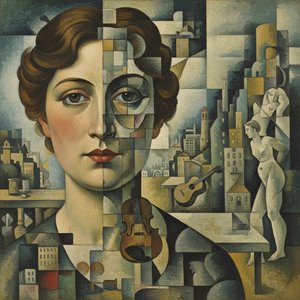
Three Characters (Fernand Léger, 1924)
Fernand Léger (1881–1955) sukūrė Three Characters. Šis kūrinys datuojamas 1924 m. Šis kūrinys priklaulo Cubism kieruliui. Pagaminta naudojant Acrylic On Canvas.
- 1924
- Acrylic On Canvas

 Peržiūrėti realaus dydžio版

 Rankinio darbo aliejinės imitacijos paveikslas
 Pasidalinti
 Dalintis
 Vadovas


 Atsisiųsti
 Panašūs eksponatai
 Rentgeno spindulių nuotrauka
 Automatinė diorama
 问答

 Statistika
Three Characters: pagrindinė informacija
- Pavadinimas
- Three Characters
- Autorius
- Fernand Léger (1881–1955)
- Dizainere/is gimęs
- Argentan, Prancūzija
- Data
- 1924
- Mediumas
- Acrylic On Canvas
- Judėjimas
- Cubism
- Laikotarpis
- Modern
- Tema
- geometric figures, modern composition, cubist style art, human interaction, bold color palette, everyday objects
Ką vaizduoja Three Characters?
A Symphony of Form and Feeling: Exploring Fernand Léger’s “Three Characters”
Fernand Léger's 1924 painting, *“Three Characters,”* is a pivotal work exemplifying his distinctive contribution to Cubism – a style he uniquely evolved into what became known as ‘Tubism.’ More than just an exercise in geometric abstraction, this piece offers a compelling glimpse into the artist’s vision of modern life and human connection amidst industrialization.Deconstructing the Composition: Style & Technique
Léger masterfully employs simplified, cylindrical forms to depict three figures positioned closely together. This isn't about realistic representation; it’s a deliberate fragmentation and reassembly of reality through a Cubist lens. The painting eschews traditional perspective, presenting multiple viewpoints simultaneously within a flattened picture plane. The technique is characterized by smooth brushstrokes and carefully blended colors, creating a polished surface despite the angularity of the forms. This creates a sense of solidity and monumentality, grounding the abstracted figures.A Palette of Modernity: Color & Symbolism
While rooted in Cubism’s analytical approach, *“Three Characters”* distinguishes itself through its vibrant color palette. Léger moves beyond the muted tones often associated with early Cubism, embracing bold hues that inject energy and warmth into the composition. The inclusion of symbolic objects – a baseball bat and a book – adds layers of meaning. These aren’t merely decorative elements; they represent facets of everyday life, leisure, and intellectual pursuit, hinting at Léger's interest in portraying the modern individual within their environment. The figures themselves are not portraits but archetypes, representing universal aspects of human experience.Historical Context: Cubism & Beyond
Created in the aftermath of World War I, *“Three Characters”* reflects a broader cultural shift towards embracing modernity and industrialization. Léger, alongside Picasso and Braque, was at the forefront of the Cubist revolution, challenging traditional artistic conventions. However, he diverged from his peers by incorporating elements of machine aesthetics and popular culture into his work. His style evolved toward “Crystal Cubism,” emphasizing large, overlapping geometric planes and a strong focus on surface activity. This painting stands as a testament to that evolution, bridging the gap between abstract experimentation and representational form.Emotional Resonance & Lasting Influence
*“Three Characters”* evokes a sense of quiet contemplation and interconnectedness. Despite their abstracted forms, the figures possess a palpable presence, suggesting a shared experience or unspoken dialogue. The painting’s enduring appeal lies in its ability to resonate with viewers on an emotional level, prompting reflection on themes of identity, community, and the human condition. Léger's work profoundly influenced subsequent art movements, including Futurism, Abstract Art, and Surrealism, solidifying his legacy as a visionary artist who redefined the possibilities of painting in the 20th century.Collecting & Interior Design Considerations
- Style Compatibility: This artwork complements modern, minimalist, or Art Deco interiors. Its geometric forms and bold colors create a striking focal point.
- Color Palette Integration: The painting’s color scheme can be echoed in accent furniture, textiles, or wall colors to create a cohesive design aesthetic.
- Placement Suggestions: Ideal for living rooms, dining areas, or home offices. Consider pairing it with contemporary sculptures or abstract artwork.
- Investment Potential: As a seminal work by a highly influential artist, a high-quality reproduction of *“Three Characters”* represents not only an aesthetic addition but also a potential investment in art history.
Three Characters dididžioja:resoliucija

Viešoji domenė: suregalis mirė 1955 m.
Daugiau variantų, iškaržymų ir citavimo →Fernand Léger, Three Characters (1924). Viešoji domenė.
Skaitmeninis ekspertas lygina spalvas su originaliu paveikslu ir retušuoja failą, tiksliai atkartojantys autoriaus brushwork stilių.
Pirkti didelės raiškos vaizdąDalykas Three Characters: klausimai
Kokią nuotaiką į erdvę atneštų „Three Characters“?
Industrial atmosfera kūrybinėje veikale „Three Characters“ – Fernand Léger dera su rekomenduojama erdvė: tai Living Room.
Kiek žmonių žiūri į „Three Characters“?
Eksistuoja Statistika puslapis kūriniui „Three Characters“. Jame pateikiama mėnesio apžiūrų diagrama, apimanti šį kūrinį bei kitus šio kūrybinio veikėjo darbus, su skirstymu pagal šalis ir kalbas.
Kokia bendra „Three Characters“ – Fernand Léger nuotauda?
„Three Characters“ dvelkia Industrial atmosfera.
Kiek harmoningai dera „Three Characters“ – Fernand Léger spalvos?
„Three Characters“ – Fernand Léger pasižymi Softly Mixed Palette spalvų harmonija.
Kuris menininkas ir koks stilius slypi už „Three Characters“?
Fernand Léger sukūrė „Three Characters“, priklausantį Cubism stiliui.
Kokią vietą Fernand Léger pasikartojančių temų tarėje užima „Three Characters“?
Dažniausios Fernand Léger temos apima exploration of flat planes, expansion of color usage, cubism's geometric forms, early 20th-century modernism, urban life & modernity, human connection & interaction; kūrinys „Three Characters“ susitelkia į geometric figures, modern composition, cubist style art, human interaction, bold color palette, everyday objects, abstract forms.
Kada ir kokiais medžiagomis buvo sukurta „Three Characters“?
„Three Characters“ sukurtas 1924 m., naudojant Acrylic On Canvas.
Kokią vietą meno istorijoje užima „Three Characters“ – Fernand Léger?
Istoriškai „Three Characters“ yra šio platesnio Modern laikotarpio Cubism stiliaus kūrinys.
Kaip atsisiųsti „Three Characters“ – Fernand Léger vaizdą?
Kūrinį „Three Characters“ galima atsisiųsti: jo Atsisiųsti skaitmeninį vaizdą puslapyje siūloma aukštos raiškos skaitmeninio vaizdo atsisiuntimas.
Apie šį menininką, Fernand Léger

1881–1955, Prancūzija
Fernand Léger
Fernand Léger: Mašinos Amžius Ant Drobelės Josefas Fernanas Anri Ležė, gimęs 1881 m. vasario 4 d. nuošaliame Argentano miestelyje Normandijoje, Prancūzijoje, buvo menininkas, kurio kūryba atspindi ir apibūdina modernumo erą – mechanizacijos, industrializacijos ir naujų technologijų triumfo laikotarpį. Jo kelionė nuo kaimo vaikystės iki Paryžiaus avangardo sūnaus yra įkvepiantis pasakojimas apie meninę viziją ir neprilygstančią norą užfiksuoti šiuolaikinio pasaulio esmę.
Taip pat Fernand Léger darbai
 Miestas1919
 Mechanikas1920
 Tris Vyrai1921
 Žmogės miške1910

Esdai apie Three Characters
 Fernand Léger: 25 Šedevrai, Apibrėžę Moderniąją Meninę Viziją | OriginalUniqueArtAtraskite 25 įspūdingiausius Fernand Léger šedevrus! Kubizmo meistro paveikslai, atspindintys pramonės amžių ir modernaus meno spalvas. Men…
 Deconstructing Reality: Cubism's Revolutionary Impact on 20th-Century ArtExplore the revolutionary world of Cubism with OriginalUniqueArt. Discover Picasso & Braque's groundbreaking techniques, its philosophical …
 Industrial Revolution on Canvas: 10 Artworks That Define a Modern AestheticExplore 10 iconic artworks capturing the Industrial Revolution’s grit & beauty. From Monet to Manet, discover realism, impressionism & powe…