Expressionism · 1893
Storm (Edvardas Munchas, 1893)
Edvardas Munchas (1863–1944) sukūrė Storm. Šis kūrinys datuojamas 1893 m. Šis kūrinys priklaulo Expressionism kieruliui. Pagaminta naudojant Oil On Canvas.
- 1893
- Oil On Canvas

 Peržiūrėti realaus dydžio版

 Rankinio darbo aliejinės imitacijos paveikslas
 Pasidalinti
 Dalintis
 Informacinė l lapelė


 Atsisiųsti
 Panašūs eksponatai
 Rentgeno spindulių nuotrauka
 Automatinė diorama
 问答

 Statistika
Storm, trumpai
- Pavadinimas
- Storm
- Autorius
- Edvardas Munchas (1863–1944)
- Dizainere/is gimęs
- Adelsbrukas, Norvegija
- Data
- 1893
- Mediumas
- Oil On Canvas
- Judėjimas
- Expressionism
- Tema
- storm, anxiety, darkness, landscape, emotion, turmoil
Ką vaizduoja Storm?
A Tempestuous Soul: Edvard Munch’s “The Storm”
Edvard Munch's "The Storm," painted in 1893, isn’t merely a depiction of a raging tempest; it’s a visceral embodiment of inner turmoil—a profound exploration of anxiety and the fragility of human existence. This iconic work, currently residing within the esteemed collection of the Museum of Modern Art (MoMA) in New York City, stands as a cornerstone of Expressionism, a movement that sought to capture not just external reality but the raw, unfiltered emotions simmering beneath the surface. Munch, already grappling with personal tragedies including the early deaths of his mother and sister, channeled these profound experiences into a visual language characterized by bold color, distorted forms, and an unsettling sense of unease—elements powerfully realized in “The Storm.” The painting’s power resides not just in its dramatic subject matter but in its ability to evoke a deeply felt emotional response within the viewer, mirroring the artist's own turbulent inner world.
Visualizing Inner Chaos: Style and Technique
Munch’s technique is deliberately unsettling. The composition immediately plunges the viewer into a scene of chaotic energy. Thick, swirling brushstrokes dominate the canvas, conveying the relentless force of the wind and rain. These aren't delicate lines; they are aggressive marks, imbued with an almost frantic quality. The color palette contributes significantly to this sense of unease. Muted tones—primarily deep blues, grays, and ochres—create a somber atmosphere, punctuated by jarring flashes of intense yellow in the clouds and the distant light. This contrast isn’t merely aesthetic; it represents the struggle between darkness and hope, despair and perhaps a fleeting glimpse of resilience. The figure in the foreground, rendered with simplified forms and a slightly elongated face, seems to be caught within this maelstrom, her posture suggesting both vulnerability and a desperate attempt to maintain composure. Note how Munch uses perspective—the receding road and distant house create a sense of isolation and emphasize the overwhelming power of nature.
Symbolism and Psychological Depth
“The Storm” is rich in symbolic meaning, deeply rooted in Munch’s personal experiences and his exploration of psychological themes. The storm itself represents not just meteorological conditions but also the internal storms raging within the human psyche—fear, grief, anxiety, and a sense of impending doom. The woman standing on the road has been interpreted as representing humanity confronting these forces, perhaps even succumbing to them. Some scholars connect her posture and gaze to depictions of women awaiting news from loved ones lost at sea – a poignant reflection of Munch’s own anxieties about loss and mortality. The distant house, barely visible through the storm clouds, symbolizes a fragile sense of security, threatened by the overwhelming power of nature. The overall composition can be viewed as an allegory for the human condition—a constant struggle against forces beyond our control.
A Legacy of Emotional Intensity
Edvard Munch’s “The Storm” remains a profoundly moving and influential work of art, solidifying his place as a pioneer of Expressionism. Its enduring appeal lies in its ability to tap into universal emotions—fear, anxiety, and the awareness of our own mortality. Reproductions of this masterpiece offer an opportunity to experience the raw emotional power of Munch’s vision firsthand. Whether displayed in a grand salon or a more intimate setting, “The Storm” continues to resonate with viewers, reminding us of the complexities of the human spirit and the enduring beauty—and terror—of the natural world. For those seeking a high-quality reproduction, OriginalUniqueArt.com offers meticulously crafted hand-painted versions that faithfully capture the essence of this iconic artwork. Further exploration into Munch’s life and artistic journey can be found on platforms like Edvard Munch on OriginalUniqueArt.com and through resources such as Smarthistory and the Metropolitan Museum of Art.
Storm dididraudžios kokybės vaizdai

Viešoji domenė: suregalis mirė 1944 m.
Kiti dydžiai, iškarai ir citavimo informacija →Edvardas Munchas, Storm (1893). Viešoji domenė.
Atsakimai į klausimus apie Storm
Kokia yra „Storm“ – Edvardas Munchas kūrybos data?
„Storm“ – Edvardas Munchas kūrybos metai – 1893.
Kokia technika panaudota kūriniui „Storm"]?
Edvardas Munchas kūriniui „Storm“ panaudojo Oil On Canvas techniką. Ši technika apibrėžė originalaus kūrinio medžiaginę prigimtį.
Kokios temos atsispindi kūrynioje „Storm“ – Edvardas Munchas?
Darbos „Storm“ temos yra storm, anxiety, darkness, landscape, emotion, turmoil, night.
Ar „Storm“ yra viešosios teisės kūrinys?
„Storm“ – Edvardas Munchas yra yra viešosios erdvės dalis – jo autorinė teisė pasibaigusi. Šis statusas nustato, kaip galima reprodukcijaus šio kūrinio vaizdą.
Kas sukūrė „Storm“?
Kūrinį „Storm“ sukūrė Edvardas Munchas. Darbas katalogizuojamas Edvardas Munchas vardu.
Kokio meno kryžmės dalis yra „Storm“ – Edvardas Munchas?
Kūrinio „Storm“ – Edvardas Munchas stilius – Expressionism. Ši klasifikacija leidžia šį darbą įtraukti į bendrą susijusių menininkų ir kūrinių kontekstą.
Kokį Edvardas Munchas kūrybos etapą atspindi „Storm“?
Edvardas Munchas kūrybos enceklopedijoje kūrinys „Storm“ priskiriamas Late Period laikotarpiui. Šis etapas leidžia palyginti jį su kitais šio autoriaus kūriniais.
Kokia buvo Edvardas Munchas amžius sukuriant „Storm"]?
Edvardas Munchas „Storm“ sukūrė būdamas 30 metų amžiaus.ت Artistas gimė 1863, o kūrinys datuojamas 1893 metais.
Kodėl „Storm“ autoriškos teisės statusas yra toks, koks yra?
„Storm“ – Edvardas Munchas yra yra viešosios erdvės dalis – jo autorinė teisė pasibaigusi. Autorinės teisės galioja nuo mirties metų, kai šis kūrėjas mirė 1944 m.
Apie šį menininką, Edvardas Munchas

1863–1944, Norvegija
Edvardas Munchas
Edvardas Munchas: Gyvenimas ir savastis Edvardas Munchas buvo norvegų dailininkas, kurio gyvenimas buvo glaudžiai susijęs su jo šalies kraštovaizdio skliausliu ir sunkia atmosfera. Gimęs 1863 m. gruodžio 12 d., jis praleido didelį savo egzistencijos dalį nagrinėdamas žmogaus psichikos subtilybes per savo šerpus ir grafikos įrankius. Jo kūriniai dažnai atrodė kaip tiesioginė jo pačio vidinių kovų tęs tinė, paversdami asmeninę emociją kažkuo matomu ir bendru.
Taip pat Edvardas Munchas darbai
 Šauksmas1893
 Vampyras, Nacionalinė galerija, Oslo
 Tūrelis1914
 Nerimas 21894

Esdai apie Storm
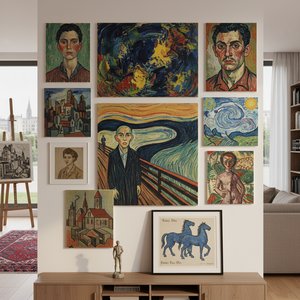 Ekspresionizmo Deimantai: 10 Šedevrai Jūsų Namų DekoruiAtraskite ekspresionizmo šedevrus! 10 įtakingiausių meno kūrinių, atskleisiančių Muncho, Kirchnerio ir kitų meistrų emocijas. Išmokite apie…
 Echoes of Anxiety: The 25 Most Iconic Masterpieces by Edvard MunchJourney through the raw emotion of Expressionism with our curated guide to Edvard Munch's top 25 masterpieces. Explore the stories behind h…
 Unveiling the Masterpieces: Top 25 Must-See Artworks at the Munch Museum in OsloExplore 25 iconic Edvard Munch masterpieces from Oslo's Munch Museum. Discover timeless Expressionist art on OriginalUniqueArt.com.