Fauvism · 1923
Nude (André Derain, 1923)
André Derain (1880–1954) sukūrė Nude. Šis kūrinys datuojamas 1923 m. Šis kūrinys priklaulo Fauvism kieruliui. Pagaminta naudojant Oil On Canvas. Dimensijos – 44 × 58 cm.
- 1923
- Oil On Canvas
- 44 × 58 cm

 Peržiūrėti realaus dydžio版

 Rankinio darbo aliejinės imitacijos paveikslas
 Pasidalinti
 Dalintis
 Vadovas


 Atsisiųsti
 Panašūs eksponatai
 Rentgeno spindulių nuotrauka
 Automatinė diorama
 问答

 Statistika
Nude: pagrindinė informacija
- Pavadinimas
- Nude
- Autorius
- André Derain (1880–1954)
- Dizainere/is gimęs
- Chatou, Prancūzija
- Data
- 1923
- Mediumas
- Oil On Canvas
- Matmenys
- 44 × 58 cm
- Judėjimas
- Fauvism
- Laikotarpis
- Modern
- Tema
- woman, nude, female figure, grayscale, seated woman
Ką vaizduoja Nude?
Identification of the Nude by André Derain
In this 1923 work, titled Nude, André Derain turns his attention to the quietude of the human form. The painting presents a nude female figure, captured in a moment of stillness that invites a closer, more intimate observation. It is a study of presence and form, rendered with a focus on the essential character of the subject.
The artist, André Derain, approaches the figure with a sense of restraint. Rather than relying on the loud, unmixed hues of his earlier Fauvist period, this piece reflects a more disciplined sensibility. The subject is seated and facing forward, occupying the central space of the composition. There is a certain gravity to her pose, suggesting a state of introspection or perhaps a quiet contemplation of her surroundings.
This work belongs to a period in the artist's career where structure and form began to take precedence. The figure is defined by simplified shapes and a deliberate use of line. It is a direct encounter with the subject, stripped of unnecessary distraction, allowing the viewer to focus entirely on the weight and volume of the female form as it exists within the frame.
Composition and Visual Elements
The figure is centrally positioned within the frame, creating a quiet sense of balance that draws the eye immediately to the subject. She is seated in a moment of stillness, her pose defined by arms crossed and resting upon her legs. This arrangement suggests a state of introspection or perhaps a simple, unhurried relaxation. The composition avoids complex spatial arrangements, opting instead for a relatively flat perspective that lacks a strong sense of depth, keeping the viewer's attention fixed on the immediate presence of the form.
There is a deliberate simplification in how the human form is rendered. The artist employs simplified geometric shapes to represent the body, using curves to trace the silhouette while sharper angles define the features of the face, such as the nose and eyebrows. This structural approach gives the figure a certain weight and presence despite the lack of environmental detail. The background remains largely undefined, which serves to isolate the subject and emphasize the contours of her body.
The palette is strictly monochromatic, relying on a controlled range of shades including gray, white, and black. Rather than using color to create volume, the artist uses subtle variations in tone to model the figure. Strong, visible brushstrokes define the contours of the body and the facial features. These lines are not blended into smooth transitions; instead, they retain an individual character that adds a tactile energy to the surface. The interplay between these textured strokes and the softer areas of the skin creates a visual rhythm that is both disciplined and expressive.
Technique and Material Details
This work is an oil on canvas, executed with a deliberate and tactile approach to the medium. The artist employs visible brushstrokes that remain unblended in many areas, creating a surface defined by its physical texture. These marks are not merely marks of application but are essential to the structural definition of the figure, providing a sense of energy and movement across the form.
There is a clear evidence of layering and careful blending used to achieve subtle tonal variations. This technique allows for a nuanced transition between light and shadow, giving the subject a sense of volume and presence. The interplay of these layers creates a depth that relies on the weight of the paint rather than a reliance on linear perspective. The result is a surface where the materiality of the oil paint is as much a part of the composition as the subject itself.
Nude dididžioja:resoliucija

Viešoji domenė: suregalis mirė 1954 m.
Daugiau variantų, iškaržymų ir citavimo →André Derain, Nude (1923). Viešoji domenė.
Skaitmeninis ekspertas lygina spalvas su originaliu paveikslu ir retušuoja failą, tiksliai atkartojantys autoriaus brushwork stilių.
Pirkti didelės raiškos vaizdąDalykas Nude: klausimai
Kokia yra „Nude“ – André Derain kūrybos data?
„Nude“ – André Derain sukurtas 1923 m.
Kokia technika sukurta „Nude“ – André Derain?
„Nude“ technika – Oil On Canvas.
Kokie yra originalaus „Nude“ matmenys?
Originalaus dydžio kūrinys „Nude“ yra 44 x 58 cm. Originalūs matmenys padeda lengviau išsirinkti tinkamą reprodukcijos dydį.
Kokios temos atsispindi kūrynioje „Nude“ – André Derain?
„Nude“ – André Derain temos apima woman, nude, female figure, grayscale, seated woman. Kartu jie apibendrina šio kūrinio tematiką.
Ar „Nude“ – André Derain vaizdą galima laisvai reprodukcijaoti?
„Nude“ – André Derain yra yra viešosios erdvės dalis – jo autorinė teisė pasibaigusi. Šis statusas nustato, kaip galima reprodukcijaus šio kūrinio vaizdą.
Kas yra „Nude“ kūrybos autorius?
„Nude“ priskiriamas André Derain.
Kokio meno kryžmės dalis yra „Nude“ – André Derain?
„Nude“ yra Fauvism stiliaus kūrinys. Šis dailos kryptis nurodo meninę tradiciją, kurios šis darbas yra dalis.
Kokį André Derain kūrybos etapą atspindi „Nude“?
„Nude“ atspindi André Derain kūrybinį laikotarpį Return to order.
Kiek metų buvo André Derain, kai sukūrė „Nude“ 1923 m.?
Kai 1923 m. buvo sukurta „Nude“, André Derain – gimęs 1880 m. – buvo 43 metų amžiaus.
Apie šį menininką, André Derain
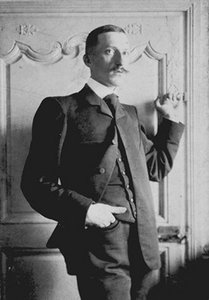
1880–1954, Prancūzija
André Derain
Ankstyvas gyvenimas ir Fauvizmo sėklos André Derainas, gimęs 1880 metais žavingame Šatuo kaime netoli Paryžiaus, iš pradžių nebuvo lemta gyventi tapybai ir drobėms. Priešingai nei kartais pasakojama apie staigų artistinį pabudimą susitikimų su tokiais dailininkais kaip Vlaminck ar Matisse dėka, Derainas ėmėsi meno kelio savarankiškai maždaug 1895 metais. Šios pirmosios patirtys dažnai vykdavo kartu su tėvu Jacominu ir jo sūnumis kaimo ekskursijų metu – formacinis įvykis, suteikęs gilų natūralaus pasaulio supratimą. Trumpai studijavęs inžineriją Camillo akademijoje 1898 metais, jis lemtingai susitiko su Henri Matisse, pradėdamas svarbiausią artistinę partnerystę.
Taip pat André Derain darbai
 bathers1907
 London Bridge1906
 Charing Cross from sw1906
 Landscape at L'Estaque1906
Esdai apie Nude
 French artworks of the 1920sIconic French works by Matisse and Léger define the 1920s. Explore the full collection online at OriginalUniqueArt.com.
 The Evolving Human Form: Tracing Light and Flesh from Impressionism to Post-ImpressionismExplore the evolution of the human form from academic realism to Post-Impressionism. Trace the history of light and flesh with us.
 The Architecture of Stillness: A Curated Study of Seated Figures in Art HistoryExplore the psychological depth of seated figures from Rembrandt to Roman realism. Discover the secrets of art history now.