Romantizmas
Akrobatai (Gustavas Dorė)
Gustavas Dorė (1832–1883) sukūrė Akrobatai. Šis kūrinys priklaulo Romantizmas kieruliui. Pagaminta naudojant Akrilas ant drobės. Eksponatas saugomas Musée d'Art Roger-Quilliot Clermont-Ferrand, France.
- Akrilas ant drobės
- Musée d'Art Roger-Quilliot, Clermont-Ferrand

 Peržiūrėti realaus dydžio版

 Rankinio darbo aliejinės imitacijos paveikslas
 Pasidalinti
 Dalintis
 Informacinė l lapelė


 Atsisiųsti
 Panašūs eksponatai
 Rentgeno spindulių nuotrauka
 Automatinė diorama
 问答

 Statistika
Akrobatai, trumpai
- Pavadinimas
- Akrobatai
- Autorius
- Gustavas Dorė (1832–1883)
- Dizainere/is gimęs
- Strasbūras, Prancūzija
- Mediumas
- Akrilas ant drobės
- Kur galima pamatyti
- Musée d'Art Roger-Quilliot, Clermont-Ferrand, France
- Judėjimas
- Romantizmas
- Laikotarpis
- XIX amžius
- Tema
- akrobatai, moteris, šuo, laikrodis, knygos, mėblue suknelė
Ką vaizduoja Akrobatai?
A Moment Frozen in Time: Paul Gustave Doré’s “The Acrobats”
Paul Gustave Doré's "The Acrobats" is not merely a depiction of a scene; it’s an immersion into a world brimming with theatricality, melancholy, and the quiet drama of everyday life. Painted in his signature style – a masterful blend of Romanticism and burgeoning Realism – this work captures a fleeting moment, likely intended for illustration within a larger narrative, yet possessing a profound emotional resonance that transcends its original purpose. The scene unfolds with an almost photographic precision, meticulously rendered with Doré’s characteristic use of dramatic chiaroscuro, where pools of light illuminate the figures while deep shadows envelop them, intensifying their expressions and creating a palpable sense of atmosphere.
- Subject Matter: The painting centers around a woman seated on the ground, her head nestled in an unseen lap – a posture that immediately evokes vulnerability and perhaps a longing for comfort. Surrounding her are other figures, including a standing performer and a seated companion, suggesting a troupe of acrobats or entertainers. A loyal dog adds to the domesticity of the scene, grounding the fantastical elements with a touch of familiar warmth.
- Technique: Doré’s mastery is evident in his detailed rendering of textures – the rough fabric of the woman's dress, the polished surface of the clock, the worn leather of the books. His use of cross-hatching and stippling creates a remarkable sense of depth and volume, bringing the figures to life with an almost tactile quality.
- Color Palette: The color scheme is dominated by muted tones – blues, browns, and grays – contributing to the painting’s somber mood. However, strategic highlights of brighter colors, such as the blue dress worn by the central figure, draw the viewer's eye and emphasize key elements within the composition.
A Window into Victorian Society
"The Acrobats" was created during a pivotal period in European history – the mid-19th century, a time of rapid industrialization, social upheaval, and artistic experimentation. Doré’s work reflects this era's fascination with both the grandeur of the aristocracy and the struggles of the urban poor. The presence of acrobats, often associated with entertainment and spectacle, speaks to the Victorian public’s appetite for diversion and escapism. Furthermore, the inclusion of objects like a clock and books hints at the growing importance of timekeeping and literacy in this era of increasing social complexity.
- Historical Context: Doré's illustrations were frequently commissioned for novels and religious texts, reflecting the Victorian obsession with storytelling and moral instruction. His work often explored themes of good versus evil, faith versus doubt, and the human condition – all concerns that resonated deeply with his audience.
- Literary Connections: While not explicitly linked to a specific text, the scene’s composition and mood align with the sensibilities of Victorian literature, particularly works exploring themes of social alienation and the search for meaning in a rapidly changing world.
Symbolism and Emotional Resonance
Beyond its realistic depiction, “The Acrobats” is rich in symbolic potential. The woman’s posture suggests a need for solace or perhaps a moment of reflection amidst the demands of her life. The clock hanging above her head serves as a poignant reminder of the passage of time – a recurring motif in Doré's work that often underscores themes of mortality and impermanence. The scattered objects—the books, the bowls—could represent forgotten knowledge, sustenance, or perhaps the fragments of a shattered dream.
- Emotional Impact: The painting’s overall effect is one of quiet melancholy and understated drama. Doré masterfully evokes a sense of intimacy and vulnerability, inviting the viewer to contemplate the lives and emotions of these seemingly ordinary figures.
- Compositional Elements: The careful arrangement of elements within the composition – the diagonal lines created by the woman’s posture, the converging lines of the clock and books – contributes to the painting's dynamic tension and visual interest.
A Timeless Masterpiece for Your Collection
OriginalUniqueArt.com is proud to offer a meticulously crafted hand-painted reproduction of Paul Gustave Doré’s “The Acrobats,” capturing the essence of this iconic artwork with unparalleled detail and fidelity. Whether you are an art enthusiast, a collector seeking to expand your collection, or an interior designer looking for a statement piece, this reproduction provides a beautiful and authentic representation of Doré's genius. Experience the power and beauty of this timeless masterpiece in stunning detail – a true testament to the enduring legacy of one of history’s most celebrated illustrators.
Kuriame muziejuje eksponuojamas karya Akrobatai?
Musée d'Art Roger-Quilliot
Clermont-Ferrand, France
A Sanctuary of Stone and Spirit: The Soul of MARQ Nestled within the historic Montferrand district of Clermont-Ferrand, France, the Musée d'Art Roger-Quilliot (MARQ) offers far more than a mere survey of artistic eras; it provides a profound immersion into the very heartbeat of Auvergne. Housed in the hallowed, restored walls of a seventeenth-century Ursuline convent, the museum serves as a bridge between the terrestrial and the divine. As one enters, the architectural dialogue between the ancient monastic structure and contemporary museographic design begins to unfold.


Akrobatai dididraudžios kokybės vaizdai

Viešoji domenė: suregalis mirė 1883 m.
Kiti dydžiai, iškarai ir citavimo informacija →Gustavas Dorė, Akrobatai, Musée d'Art Roger-Quilliot. Viešoji domenė.
Atsakimai į klausimus apie Akrobatai
Kur galima pamatyti „Akrobatai“ – Gustavas Dorė originalą?
Originalų kūrinį „Akrobatai“ galite pamatyti Musée d'Art Roger-Quilliot, Clermont-Ferrand, France.
Kokia technika sukurta „Akrobatai“ – Gustavas Dorė?
„Akrobatai“ – Gustavas Dorė technika – Akrilas ant drobės. Kopijos siekia atkartoti šios technikos vaizdą.
Kokios temos atsispindi kūrynioje „Akrobatai“ – Gustavas Dorė?
„Akrobatai“ – Gustavas Dorė temos apima akrobatai, moteris, šuo, laikrodis, knygos, mėblue suknelė, scena. Kartu jie apibendrina šio kūrinio tematiką.
Ar „Akrobatai“ – Gustavas Dorė priklauso viešosios teisės domenui?
Kalbant apie autorišką teisę, „Akrobatai“ yra yra viešosios erdvės dalis – jo autorinė teisė pasibaigusi.
Kas sukūrė „Akrobatai“?
Kūrinį „Akrobatai“ sukūrė Gustavas Dorė. Darbas katalogizuojamas Gustavas Dorė vardu.
Kokiam stiliui priklauso „Akrobatai“?
„Akrobatai“ – Gustavas Dorė priklauso Romantizmas stiliui. Ši dailės kryptis suteikia kūriniui stilistinį kontekstą.
Kokio Gustavas Dorė kūrybos laikotarpio priklauso „Akrobatai“?
„Akrobatai“ priklauso Gustavas Dorė kūrybos karjeros Brandus laikotarpis etapui. Ši klasifikacija atspindi kūrinio ryšį su menininko evoliucija.
Kodėl „Akrobatai“ autoriškos teisės statusas yra toks, koks yra?
„Akrobatai“ – Gustavas Dorė yra yra viešosios erdvės dalis – jo autorinė teisė pasibaigusi. Autorinės teisės galioja nuo mirties metų, kai šis kūrėjas mirė 1883 m.
Ar „Akrobatai“ saugoma kūrijėjo šalyje?
Ne – kūrinys saugomas užsienyje. kūrinys „Akrobatai“ saugomas France, o Gustavas Dorė gimė Prancūzija.
Apie šį menininką, Gustavas Dorė
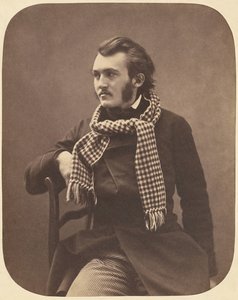
1832–1883, Prancūzija
Gustavas Dorė
Šviesos ir šešėlio išgraviruotas gyvenimas: Gustavo Dorė pasaulis Paulius Gustavas Liudvikas Kristofas Dorė, žinomas visam pasauliui kaip Gustavs Dorė, buvo figūra, kuri sujungė iliustracijos, tapybos ir skulptūros pasaulį su stebinančiu virtuozizmu. Gimęs Strasbure, Prancūzijoje, sausio 6-ąją, 1832 metais, jo gyvenimas susidūrė su dideliais socialiniais ir meniniais pokyčiais – laiku, kai romantizmas vis dar dominuodavo, bet atsisakydamas naujų realizmo ir simbolizmo srovių. Dar vaikystėje Dorė pademonstruotų ankstyvą talentą, ne tik piešime – kurį jis pradėjo labai jauname amžiuje – bet ir asmenybę, kuri numatė dramatišką polinkį, apibūdinusį jo darbą. Pasakojimai apie jauno žmogaus triukus bylojo apie subrendimą, pranokstantį metus, pranašaujant sudėtingas ir dažnai melancholiškas temas, kurios persmelktų jo meną.
Taip pat Gustavas Dorė darbai
 Krikščionys męsliai
 „Peklas“, 9-asis kantas, 87–89 eilės. Jis priėjo prie vartų ir palietė jas lazda, ir jos sklandžiai atsivėrė.
 Paradise Lost
 Gd 0001 Red Riding Hood meets old Father Wolf GustaveDore sqs

Esdai apie Akrobatai
 Master of Shadows: The Top 25 Iconic Artworks by Gustave DoréStep into the dramatic world of Gustave Doré. Explore 25 iconic masterpieces of light and shadow, from epic biblical engravings to gothic t…
 Masterpieces of Gustave Doré: The Top 25 Iconic ArtworksExplore 25 iconic Gustave Doré wood engravings. From divine to grotesque, discover his masterpieces on OriginalUniqueArt.com.
 Echoes of an Era: Exploring Themes & Techniques in 19th-Century PaintingExplore the captivating world of 19th-century painting! Discover Realism & Impressionism's revolutionary techniques, key artists like Manet…