Perjungti į spausdinamus版作品
 Skaityti daugiau







































 Dėl meno kūrinių ar reprodukcijų, kurių bet kuri pusė yra didesnė nei 105 cm (apie 41 inch), rėmas bus siunčiamas kaip išskaidytas surinkimo rinkinys. Šis metodas užtikrina saugų pristatymą ir apsaugo nuo transportavimo metu galimos žalos.


Subject and Composition
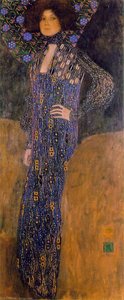
This captivating masterpiece presents a vertical arrangement of intertwined female figures, each embodying a sense of intimacy, vulnerability, and inner reflection. The figures are depicted with delicate grace, their expressive poses inviting viewers into a world of emotional depth. Surrounding them are elaborate, swirling patterns and motifs that evoke a sense of organic movement, creating a harmonious balance between human form and decorative ornamentation. The composition’s vertical orientation emphasizes elongation and flow, guiding the eye upward through the layered complexity of the scene.Artistic Style and Technique
Rooted in the Art Nouveau movement, this work exemplifies Klimt’s mastery of ornamental richness and symbolic depth. The artist employs meticulous brushwork and a layered application of luminous paints, likely oil or tempera, to achieve jewel-like surfaces that shimmer with vibrancy. The textured background, a speckled gold-green field, enhances the luminous quality of the figures and their adornments, creating a luminous glow that seems to transcend the canvas. Fine lines and intricate patterns define the garments and decorative elements, blending realism with abstract ornamentation to produce a richly detailed visual experience.Historical Context and Artistic Significance
Created in 1908 during Klimt’s highly productive golden phase, this work reflects the Vienna Secession’s embrace of innovative aesthetics and symbolic exploration. Klimt’s focus on female figures and themes of femininity, sexuality, and inner strength resonated with the cultural currents of the early 20th century, challenging traditional representations and celebrating sensuality and psychological complexity. This period marked a departure from academic realism, favoring decorative abstraction and symbolic storytelling that continue to influence modern art.Symbolism and Emotional Impact
The intertwined figures symbolize unity, femininity, and the multifaceted nature of womanhood. The ornate patterns and shimmering backgrounds evoke a sense of transcendence, suggesting a spiritual or mystical dimension beyond the physical. The warm golds, reds, and earthy tones contrasted with cooler blues and purples evoke emotional richness—combining sensuality with introspection. Viewers are invited to explore themes of vulnerability, strength, and inner reflection, making this piece not only a visual delight but also a profound emotional experience.Interior and Collection Appeal
This artwork’s intricate decorative style and luminous palette make it an ideal centerpiece for sophisticated interiors, art collections, or private galleries. Its timeless elegance complements both classic and contemporary spaces, adding a touch of symbolic beauty and artistic refinement. Whether displayed in a living room, office, or gallery, this high-quality reproduction promises to inspire and captivate, offering a glimpse into Klimt’s visionary world of ornamentation and emotional depth.Klausimai ir atsakymai
Kokią emociją sukelia „Viltis II“ kaip dovana?
Savo Dvasinis emociniu tonu „Viltis II“ – Gustavas Klimtas rekomenduojamas kaip dovana Metinės šventė.
Kokiam meno stiliui priklauso „Viltis II“ – Gustavas Klimtas?
„Viltis II“ – Gustavas Klimtas priklauso Art Nouveau stiliui. Ši dailės kryptis suteikia kūriniui stilistinį kontekstą.
Kas sukūrė „Viltis II“ ir kokiu stiliumi tai atlikta?
„Viltis II“ kūrybinį darbu pasižymi Gustavas Klimtas, taikantis Art Nouveau stilių. Autorius ir stilius nurodo šio kūrinio tradiciją.
Daugiau informacijos apie šį paveikslą
 Peržiūrėti realaus dydžio版
 Pasidalinti
 Dalintis
 Išsamiau
 Vadovas

 Atsisiųsti
 Panašūs eksponatai
 Rentgeno spindulių nuotrauka
 Automatinė diorama
 问答
问答 Statistika