Protorenesansas · 1320
Mečios kryžius (Giotto di Bondone, 1320)
Giotto di Bondone (1267–1337) sukūrė Mečios kryžius. Šis kūrinys datuojamas 1320 m. Šis kūrinys priklaulo Protorenesansas kieruliui. Pagaminta naudojant Kiaušinių temperos ant medinio panoelio. Eksponatas saugomas Alte Pinakothek Miunchenas, Vokietija. Dimensijos – 43 × 45 cm.
- 1320
- Kiaušinių temperos ant medinio panoelio
- 43 × 45 cm
- Alte Pinakothek, Miunchenas

 Peržiūrėti realaus dydžio版

 Rankinio darbo aliejinės imitacijos paveikslas
 Pasidalinti
 Dalintis
 Informacinė l lapelė


 Atsisiųsti
 Panašūs eksponatai
 Rentgeno spindulių nuotrauka
 Automatinė diorama
 问答

 Statistika
Mečios kryžius, trumpai
- Pavadinimas
- Mečios kryžius
- Autorius
- Giotto di Bondone (1267–1337)
- Dizainere/is gimęs
- Florencija, Italija
- Data
- 1320
- Mediumas
- Kiaušinių temperos ant medinio panoelio
- Matmenys
- 43 × 45 cm
- Kur galima pamatyti
- Alte Pinakothek, Miunchenas, Vokietija
- Judėjimas
- Protorenesansas
- Laikotarpis
- Renesansas
- Tema
- religinė ikonografija, kryžiaus meno scena, viduramžių menas, džotas di bondone, bizantų įtaka, emocinis gylis
Ką vaizduoja Mečios kryžius?
A Masterpiece of Human Emotion
In the quiet halls of the Alte Pinakothek in Munich, there exists a window into the very dawn of humanism. Giotto di Bondone’s Crucifix, painted around 1320, is far more than a religious icon; it is a profound psychological breakthrough that forever altered the trajectory of Western art. At a time when the Byzantine tradition favored stiff, golden, and otherworldly figures, Giotto dared to introduce the weight of human sorrow. Through his masterful use of tempera on wood, he breathed life into the divine, transforming a theological event into a visceral, shared experience of grief and grace.
The painting captures the moment of Christ’s sacrifice with an intimacy that feels startlingly modern. As Jesus hangs upon the cross, his arms outstretched in a gesture of both agony and acceptance, the viewer is not merely observing a distant deity but witnessing a man enduring the ultimate human struggle. Giotto’s revolutionary approach lies in his ability to marry the sacred with the tangible. The subtle anatomical precision and the heavy, realistic folds of the drapery create a sense of physical presence, making the scene feel as though it could occupy the same three-dimensional space as the observer.
The Symphony of Sorrow and Symbolism
Beyond the central figure, the composition unfolds into a poignant tableau of devotion. Giotto populates the scene with a multitude of figures—including Mary Magdalene and Nicodemus—each rendered with a unique emotional signature. Some kneel in silent prayer, while others are gripped by an inconsolable mourning that ripples through the group. This careful arrangement of characters serves a dual purpose: it guides the viewer’s eye toward the central light of Christ while reinforcing the painting's central theme—the universal human response to divine suffering.
The use of perspective, though in its nascent stages, provides a sense of depth that was unprecedented for the early 14th century. By subtly layering the figures and utilizing the naturalistic contours of the bodies, Giotto creates a stage where light and shadow play upon the textures of skin and cloth. This technique does not merely decorate the surface; it builds an atmosphere of somber reflection. For the collector or the lover of fine art, this piece represents the perfect intersection of technical innovation and spiritual depth, offering a narrative that remains as powerful today as it was six centuries ago.
An Eternal Legacy for the Discerning Collector
For those looking to bring a sense of historical gravity and contemplative beauty into a curated space, a reproduction of this Crucifix offers an unparalleled opportunity. Whether placed in a grand library, a quiet study, or as a focal point in a sophisticated living area, the painting commands attention through its quiet intensity rather than through loud ornamentation. It is a piece that invites long periods of looking, rewarding the viewer with new layers of emotional insight upon every encounter.
Integrating such a masterpiece into an interior design scheme allows for a dialogue between the past and the present. The somber tones and the profound weight of Giotto’s vision provide a grounding element to modern aesthetics, adding a layer of intellectual and spiritual richness to any collection. To possess a high-quality reproduction of this work is to hold a fragment of the Renaissance spirit—a testament to the moment when art first learned to speak the language of the human heart.
Kuriame muziejuje eksponuojamas karya Mečios kryžius?
Alte Pinakothek
Miunchenas, Vokietija
Alte Pinakothek istorija Alte Pinakothek yra įsikiręs Voklijos Miunchene. Tai viena seniausių egzistuojančių galerijų, kurioje saugoma kolekcija, apimanti nuo ketvirtos iki aštuntos abadmens. Šią instituciją 1826 metais užsakė Bavarijos karalius Liudvikas I.
 A Pioneer of the Northern Renaissance Landscape
Regensburg
Germany
1480
1538
Albrecht Altdorfer
As one of the most famous examples of the "world landscape" genre, The Battle of Alexander at Issus reaches an unprecedented grandeur. Altdorfer's meticuAlbrecht Altdorfer, 1529
 Gilės MadonaLeonardo Da Vinci, 1478
 Sukūrimo kaktavimasPeter Paul Rubens, 1620
Mečios kryžius dididraudžios kokybės vaizdai
Viešoji domenė: suregalis mirė 1337 m.
Giotto di Bondone, Mečios kryžius (1320), Alte Pinakothek. Viešoji domenė.
Atsakimai į klausimus apie Mečios kryžius
Kur galima pamatyti „Mečios kryžius“ – Giotto di Bondone originalą?
Originalų kūrinį „Mečios kryžius“ galite pamatyti Alte Pinakothek, Miunchenas, Vokietija.
Kada buvo sukurta „Mečios kryžius“?
„Mečios kryžius“ – Giotto di Bondone kūrybos metai – 1320.
Kokia technika panaudota kūriniui „Mečios kryžius"]?
„Mečios kryžius“ technika – Kiaušinių temperos ant medinio panoelio.
Kokie yra originalaus „Mečios kryžius“ – Giotto di Bondone matmenys?
Originalaus dydžio kūrinys „Mečios kryžius“ yra 45 x 43 cm. Originalūs matmenys padeda lengviau išsirinkti tinkamą reprodukcijos dydį.
Kokios temos atsispindi kūrynioje „Mečios kryžius“ – Giotto di Bondone?
„Mečios kryžius“ – Giotto di Bondone vaizdeletas: religinė ikonografija, kryžiaus meno scena, viduramžių menas, džotas di bondone, bizantų įtaka, emocinis gylis, renesanso paveikslas.
Ar „Mečios kryžius“ – Giotto di Bondone priklauso viešosios teisės domenui?
Autorių teisių statusas kūriniui „Mečios kryžius“ – Giotto di Bondone: kūrinys priklauso yra viešosios erdvės dalis – jo autorinė teisė pasibaigusi. Tai nulemia, ar galima laisvai reprodukciuoti šį vaizdą.
Kas sukūrė „Mečios kryžius“?
Kūrinį „Mečios kryžius“ sukūrė Giotto di Bondone. Darbas katalogizuojamas Giotto di Bondone vardu.
Kokiam stiliui priklauso „Mečios kryžius“?
Kūrinio „Mečios kryžius“ – Giotto di Bondone stilius – Protorenesansas. Ši klasifikacija leidžia šį darbą įtraukti į bendrą susijusių menininkų ir kūrinių kontekstą.
Kokio Giotto di Bondone kūrybos etapo dalis yra „Mečios kryžius“?
„Mečios kryžius“ priklauso Giotto di Bondone kūrybos karjeros Proto-Renesansas etapui. Ši klasifikacija atspindi kūrinio ryšį su menininko evoliucija.
Apie šį menininką, Giotto di Bondone

1267–1337, Italija
Giotto di Bondone
Džotas di Bondone: Viduramžių Pabaigos ir Renesanso Pradžios Vizionierius Gimė maždaug 1267 metais Toskanos kalvose, netoli Florencijos, Giotto di Bondone tapo neeiliniu figūru – tiltu tarp viduramžių dailės konvencijų ir atsirandančio Renesanso. Legenda pasakoja apie jauno piemienio, piešusio stulbinančiai tikroviškas avis ant akmenų, talentą, kuris patraukė Florencijos meistro Čimabujės dėmesį. Ar tai tiesa, ar mitas, ši istorija puikiai atspindi Giotto genialumą – įgimtą gebėjimą užfiksuoti gamtos pasaulį beprecedenčiu realizmu ir emociniu gyliu. Tapęs Čimabujės mokininku, Giotto netrukus pralenkė savo mokytoją, ne tik įvaldydamas amato subtilumus, bet ir sukūręs savą, unikalią kryptį.
Taip pat Giotto di Bondone darbai
 Madonna in Maest (Ognissanti Madonna)1310
 Paskutinis Teisimas (detalė 3) (Skrovegnio koplyčia (Arena koplyčia), Paduva)1305
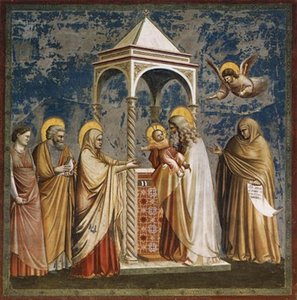 Nr. 19 Scenos iš Kristaus gyvenimo: 3. Kristaus pristatymas Šventyklėje1304
 Nr. 31 Scenas iš Kristaus gyvenimo: 15. Kristaus suimimas (Judaso bučinys)1304
Esdai apie Mečios kryžius
 From Gold to Gravity: Italo-Byzantine Style vs. the Proto-RenaissanceMaster the shift from Byzantine gold to Proto-Renaissance naturalism. Learn to spot the evolution of art history today.
 Masterpieces of Giotto: The Top 25 Artworks That Changed HistoryExplore Giotto's iconic frescoes and Proto-Renaissance masterpieces. Discover the full collection online at OriginalUniqueArt.com.
 25 Masterpieces by Giotto di Bondone: The Father of Renaissance ArtJourney through the revolutionary world of Giotto di Bondone. Explore 25 iconic masterpieces that bridged the Medieval and Renaissance eras…