German Expressionism · 1914
Fighting Forms (Franz Marc, 1914)
Franz Marc (1880–1916) sukūrė Fighting Forms. Šis kūrinys datuojamas 1914 m. Šis kūrinys priklauso German Expressionism kieruliui. Pagaminta naudojant Oil On Canvas. Eksponatas saugomas Bavarios valstybinis tapybos muziejus Miunchenas, Vokietija. Matmenys – 91 × 131 cm.
- 1914
- Oil On Canvas
- 91 × 131 cm
- Bavarios valstybinis tapybos muziejus, Miunchenas

 Peržiūrėti

 Rankinio darbo aliejinės imitacijos paveikslas
 Pasidalinti
 Dalintis
 Informacinė lLapelė


 Atsisiųsti
 Panašūs eksponatai
 Rentgeno spindulių nuotrauka
 Automatinė diorama
 Klausimai ir atsakymai

 Statistika
Fighting Forms, trumpai
- Pavadinimas
- Fighting Forms
- Autorius
- Franz Marc (1880–1916)
- Autorius gimęs
- Miunchenas, Vokietija
- Data
- 1914
- Technika
- Oil On Canvas
- Dalių matmenys
- 91 × 131 cm
- Kur galima pamatyti
- Bavarios valstybinis tapybos muziejus, Miunchenas, Vokietija
- Judėjimas
- German Expressionism
- Tema
- expressionism, conflict, red, black, animals, anxiety
Ką vaizduoja Fighting Forms?
A Symphony of Conflict: Unpacking the Power of Franz Marc’s *Fighting Forms*
Franz Marc's 1914 painting, *Fighting Forms*, isn’t merely a visual representation; it’s an intensely felt experience. Created during a period of escalating anxieties surrounding the impending First World War, this work embodies the core tenets of Expressionism – a movement dedicated to conveying subjective emotions and inner turmoil rather than objective reality. Marc, a founding member of Der Blaue Reiter, sought to capture not just what he saw, but how he *felt*, channeling his spiritual concerns into a language of vibrant color and dynamic form. The painting immediately confronts the viewer with a swirling vortex of red and black, hues that instinctively evoke danger, struggle, and perhaps even death. Yet, within this apparent chaos lies a profound sense of yearning – a desperate plea for understanding amidst the looming darkness.
- The Palette of Emotion: Marc’s masterful use of color is paramount. The dominant reds represent aggression, violence, and the destructive forces threatening to consume humanity. These fiery tones are juxtaposed with the darker blacks and browns, symbolizing the unknown, the unconscious, and the inevitable consequences of conflict.
- Animal as Symbol: As a lifelong devotee of the animal kingdom, Marc frequently employed them as symbolic figures in his work. While not explicitly depicted here, the forms themselves suggest a primal struggle – a dance between predator and prey, life and death. This connection to the natural world provides a grounding element within the painting’s emotional intensity.
Deconstructing Abstract Forms: A Language of Tension
The composition of *Fighting Forms* is deliberately abstract, eschewing realistic representation in favor of conveying raw emotion. The swirling shapes aren't meant to depict specific objects or figures; instead, they embody the very essence of conflict – a chaotic interplay of opposing forces. Marc’s brushwork is loose and gestural, emphasizing movement and energy over precise detail. Notice how the lines seem to vibrate with an almost palpable tension, mirroring the anxieties of the era. The painting feels less like a static image and more like a captured moment of intense emotional upheaval – a visual representation of a battle waged not just on the battlefield, but within the human psyche.
Technique & Materials: Executed in oil on canvas, Marc’s technique is characterized by bold strokes and an expressive application of paint. The layering of colors creates depth and dynamism, while the loose brushwork contributes to the painting's overall sense of movement and urgency.Historical Context: A Precursor to War
To fully appreciate *Fighting Forms*, it’s crucial to understand its creation within the context of 1914. Europe was teetering on the brink of war, and Marc, like many artists of his time, felt a deep sense of foreboding. His work reflects this anxiety – not through explicit depictions of warfare, but through an exploration of the underlying emotions that fueled it: fear, uncertainty, and the potential for destruction. *Fighting Forms* can be seen as a visual meditation on the fragility of peace and the ever-present threat of violence. It’s a poignant reminder of how art can serve as a powerful reflection of its time.
A Legacy of Emotional Resonance
Franz Marc's *Fighting Forms* remains a profoundly moving work of art, continuing to resonate with viewers over a century later. Its abstract forms and emotionally charged colors capture the anxieties of a turbulent era while simultaneously offering a glimpse into the artist’s deeply held spiritual beliefs. Reproductions of this powerful painting offer an opportunity to bring its intensity into any space, prompting contemplation on themes of conflict, spirituality, and the enduring human condition. Consider how the vibrant hues might transform a room – injecting it with a sense of urgency and introspection.
Kuriame muziejuje eksponuojama karya Fighting Forms?
Bavarios valstybinis tapybos muziejus
Miunchenas, Vokietija
Bavarios valstybinis tapybos muziejus istorija Bavarios valstybinio tapybos muziejaus šaknys siekia 1799 metų, kai buvo įkurtas Centralgemäldegaleriedirektion. Vykstanti Miunchene, Vokietijoje, ši institucija pradžioje buvo kuriamas erelė, skirta karališkoms kolekcijoms saugoti. Ši ankstyva paskirtis atspindi laikotarpį, kai menas buvo saugomas privatumo aristokratijos sferose, prieš pasikeičiant į šiandienos viešąją kultūrinę vertybę.


Fighting Forms dididraudžios kokybės vaizdai

Viešoji domenė: suregalis mirė 1916 m.
Kiti dydžiai, iškarai ir citavimo informacija →Franz Marc, Fighting Forms (1914).
Franz Marc (1880–1916), Fighting Forms, 1914, oil on canvas, Bavarios valstybinis tapybos muziejus, Miunchenas, Vokietija. Viešoji domenė Vaizdas: OriginalUniqueArt.com.
Atsakimai į klausimus apie Fighting Forms
Kur galima pamatyti „Fighting Forms“ – Franz Marc originalą?
Originalų kūrinį „Fighting Forms“ galite pamatyti Bavarios valstybinis tapybos muziejus, Miunchenas, Vokietija.
Kada buvo sukurta „Fighting Forms“?
„Fighting Forms“ – Franz Marc kūrybos metai – 1914.
Kokia technika panaudota kūriniui „Fighting Forms"]?
„Fighting Forms“ – Franz Marc technika – Oil On Canvas. Kopijos siekia atkartoti šios technikos vaizdą.
Kokie yra originalaus „Fighting Forms“ – Franz Marc matmenys?
Originalaus dydžio kūrinys „Fighting Forms“ yra 91 x 131 cm. Originalūs matmenys padeda lengviau išsirinkti tinkamą reprodukcijos dydį.
Kokios temos atsispindi kūrynioje „Fighting Forms“ – Franz Marc?
„Fighting Forms“ – Franz Marc temos apima expressionism, conflict, red, black, animals, anxiety, war, forms. Kartu jie apibendrina šio kūrinio tematiką.
Ar „Fighting Forms“ – Franz Marc vaizdą galima laisvai reprodukcijaoti?
Kalbant apie autorišką teisę, „Fighting Forms“ yra yra viešosios erdvės dalis – jo autorinė teisė pasibaigusi.
Kuriam menininkui priskiriamas kūrinys „Fighting Forms“?
„Fighting Forms“ priskiriamas Franz Marc.
Kokiam meno stiliui priklauso „Fighting Forms“ – Franz Marc?
„Fighting Forms“ yra German Expressionism stiliaus kūrinys. Šis dailos kryptis nurodo meninę tradiciją, kurios šis darbas yra dalis.
Kokio Franz Marc kūrybos laikotarpio priklauso „Fighting Forms“?
„Fighting Forms“ atspindi Franz Marc kūrybinį laikotarpį Late Period.
Apie menininką Franz Marc

1880–1916, Vokietija
Franz Marc
Pradinis gyvenimas, šeima ir mokslas Francas Markas gimė Vokietijoje, Miunchene, šeimoje, kurioje vaizdinė kraštoilavimo kalba jau buvo įtvirtinta. Jo tėvas, Wilhelmas Marcas, dirbo profesionaliu kraštoilavimu, taip suteikdamas tiesioginį, nors ir ne visai užtikrintą, pažinimą su meno mechanika. Šis šeimelliškas ryšys reiškė, kad meninės įrankių pasaulis jam buvo prieinamas nuo pačios pradžios, tačiau Marcso kelias nebuvo tiesioginė linija nuo šeimoje pelnyto paveldos iki drobės. Prieš pasisprendęs skirti savo gyvenimą tapybai, jis sk𝘃irto laiką teologijai – tai buvo dvasinės ieškos etapas, kuris vėliau nulemė itin intensyvų jo vizualinį kūrybiškumą.
Taip pat Franz Marc darbai
 Mėlynas arklys I1911
 neįvardintas (4325)
 Dideli mėlyni žirgai1911
 Tyrolas1914
Esdai apie Fighting Forms
 The Visceral Language of Emotion: Exploring Representations of Intense Feeling in Art HistoryExplore the profound history of emotional representation in art. Discover how masters like Goya evoked feeling & the impact of affect theor…
 25 Masterpieces by Franz Marc: The Soul of German ExpressionismFranz Marc co-founded the Blue Rider movement in Munich. See 25 works including The Large Blue Horses and Tyrol from the era of Expressioni…
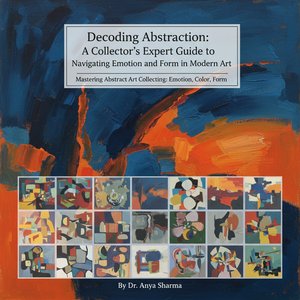 Beyond Representation: Decoding Emotion and Meaning in Modern Abstract ArtExplore the profound world of Abstract Expressionism with OriginalUniqueArt. Discover its history, emotional power & key artists like Pollo…