Geometric Abstraction · 1954
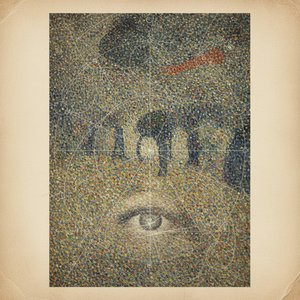
Study for the (Fernand Léger, 1954)
Fernand Léger (1881–1955) sukūrė Study for the . Šis kūrinys datuojamas 1954 m. Šis kūrinys priklaulo Geometric Abstraction kieruliui. Pagaminta naudojant Acrylic On Canvas. Eksponatas saugomas Museu do Caramulo Caramulo, Portugalija. Dimensijos – 38 × 44 cm.
- 1954
- Acrylic On Canvas
- 38 × 44 cm
- Museu do Caramulo

 Peržiūrėti realaus dydžio版

 Rankinio darbo aliejinės imitacijos paveikslas
 Pasidalinti
 Dalintis
 Informacinė l lapelė


 Atsisiųsti
 Panašūs eksponatai
 Rentgeno spindulių nuotrauka
 Automatinė diorama
 问答

 Statistika
Study for the , trumpai
- Pavadinimas
- Study for the
- Autorius
- Fernand Léger (1881–1955)
- Dizainere/is gimęs
- Argentan, Prancūzija
- Data
- 1954
- Mediumas
- Acrylic On Canvas
- Matmenys
- 38 × 44 cm
- Kur galima pamatyti
- Museu do Caramulo, Caramulo, Portugalija
- Judėjimas
- Geometric Abstraction
- Tema
- musical performance, geometric forms, modern landscape, instrument ensemble, urban scene, animal presence
Ką vaizduoja Study for the ?
A Symphony of Form and Feeling: Exploring Fernand Léger’s “Study for Breakfast”
Fernand Léger's "Study for Breakfast," completed in 1954, transcends mere representation; it embodies the very spirit of Pointillism—a technique championed by Georges Seurat and embraced wholeheartedly by Léger as a means to convey dynamism and immediacy. This unassuming landscape isn’t simply depicted as it appears before our eyes; instead, Léger meticulously constructs it from countless tiny dots of pigment, creating an illusion of depth and texture that defies conventional painting methods. The resulting image pulsates with energy, mirroring the rhythms of daily life—a quiet morning scene rendered with astonishing precision. It's a masterful demonstration of how abstraction can serve as a conduit for emotion and observation simultaneously.- Style: Pointillism – Léger’s signature style prioritizes optical mixing over blending pigments on canvas, resulting in vibrant hues that shimmer and shift subtly under the light.
- Technique: Léger employed a painstaking process of applying dots of color—typically yellow, red, and blue—to build up layers of tonal variation. This method demanded immense patience and meticulous attention to detail, reflecting Léger’s unwavering commitment to his artistic vision.
Historical Context: Embracing Modernity Amidst Postwar Uncertainty
Created in the aftermath of World War II, “Study for Breakfast” speaks to a broader cultural preoccupation with rebuilding and redefining beauty after devastation. Léger’s stylistic choices—the geometric abstraction and the deliberate fragmentation of form—were deliberately antithetical to the prevailing artistic trends of his time, signaling a rejection of Impressionism's focus on fleeting sensations and an embrace of the machine age’s influence on visual perception. This bold stance positioned Léger as a pioneer of abstract expressionism, anticipating developments that would reshape the landscape of 20th-century art.Symbolic Resonance: The Quiet Power of Observation
Despite its apparent simplicity, “Study for Breakfast” is laden with symbolic significance. Léger’s use of dots—representing individual particles and conveying movement—suggests a fascination with scientific principles and an attempt to capture the underlying order of nature. The muted palette contributes to a mood of contemplative serenity, inviting viewers to contemplate the beauty found in everyday moments. It's a subtle reminder that even amidst turbulent times, art can offer solace and inspire wonder.Emotional Impact: Capturing Essence Through Precision
Ultimately, Léger’s “Study for Breakfast” succeeds in conveying an emotional resonance far exceeding its visual surface. The artist doesn’t aim to evoke sentimental feelings but rather to distill the essence of a scene—the feeling of warmth, light, and stillness—into a meticulously crafted composition. This achievement underscores Léger's profound understanding of how abstraction can communicate complex ideas and sensations with remarkable effectiveness. It remains an enduring testament to his artistic genius and a captivating example of Pointillist artistry.Kuriame muziejuje eksponuojamas karya Study for the ?
Museu do Caramulo
Caramulo, Portugalija
Čia plaka į stalių ir sielos simfoniją Įsėkęs žaliose, banguojantose Portugalijos širdies Serra do Caramulo kalnais, Museu do Caramulo pasirodo kaip kvapą užgaunantis paradoksas – šventovė, kurioje mechaninės inžinerijos tikslumas susitinka su giliu žmogaus kūrybiškumo glembuliu. Tai nėra tiesiog relikvijų saugykla; tai gyvas dialogas tarp dviejų iš esmės skirtingų pasaulių. Įkurtas vizionierių brolių Abelio ir João de Lacerda, muziejus stovi kaip įkvėpimo įrodymas bendrai aistrai, kuri atsisakė matyti ribas tarp variklio ūžės ir tylaus tecelio šviesumo.


Study for the dididraudžios kokybės vaizdai

Viešoji domenė: suregalis mirė 1955 m.
Kiti dydžiai, iškarai ir citavimo informacija →Fernand Léger, Study for the (1954), Museu do Caramulo. Viešoji domenė.
Atsakimai į klausimus apie Study for the
Kur šiandien galima pamatyti kūrinį „Study for the“ – Fernand Léger?
Originalus „Study for the“ – Fernand Léger saugomas Museu do Caramulo, Caramulo, Portugalija. Kopija leidžia šį kūrinį eksponuoti namuose.
Kada buvo sukurta „Study for the“?
„Study for the“ – Fernand Léger kūrybos metai – 1954.
Kokia technika sukurta „Study for the“ – Fernand Léger?
„Study for the“ – Fernand Léger technika – Acrylic On Canvas. Kopijos siekia atkartoti šios technikos vaizdą.
Kokie yra originalaus „Study for the“ – Fernand Léger matmenys?
Originalaus dydžio kūrinys „Study for the“ yra 38 x 44 cm. Originalūs matmenys padeda lengviau išsirinkti tinkamą reprodukcijos dydį.
Kas yra „Study for the“?
Darbos „Study for the“ temos yra musical performance, geometric forms, modern landscape, instrument ensemble, urban scene, animal presence, domestic setting, pointillism technique.
Ar „Study for the“ yra viešosios teisės kūrinys?
Autorių teisių statusas kūriniui „Study for the“ – Fernand Léger: kūrinys priklauso yra viešosios erdvės dalis – jo autorinė teisė pasibaigusi. Tai nulemia, ar galima laisvai reprodukciuoti šį vaizdą.
Kas yra „Study for the“ kūrybos autorius?
„Study for the“ priskiriamas Fernand Léger.
Kokio meno kryžmės dalis yra „Study for the“ – Fernand Léger?
„Study for the“ – Fernand Léger priklauso Geometric Abstraction stiliui. Ši dailės kryptis suteikia kūriniui stilistinį kontekstą.
Kokio Fernand Léger kūrybos etapo dalis yra „Study for the“?
Fernand Léger kūrybos enceklopedijoje kūrinys „Study for the“ priskiriamas Mature Period laikotarpiui. Šis etapas leidžia palyginti jį su kitais šio autoriaus kūriniais.
Apie šį menininką, Fernand Léger

1881–1955, Prancūzija
Fernand Léger
Fernand Léger: Mašinos Amžius Ant Drobelės Josefas Fernanas Anri Ležė, gimęs 1881 m. vasario 4 d. nuošaliame Argentano miestelyje Normandijoje, Prancūzijoje, buvo menininkas, kurio kūryba atspindi ir apibūdina modernumo erą – mechanizacijos, industrializacijos ir naujų technologijų triumfo laikotarpį. Jo kelionė nuo kaimo vaikystės iki Paryžiaus avangardo sūnaus yra įkvepiantis pasakojimas apie meninę viziją ir neprilygstančią norą užfiksuoti šiuolaikinio pasaulio esmę.
Taip pat Fernand Léger darbai
 Miestas1919
 Mechanikas1920
 Tris Vyrai1921
 Žmogės miške1910

Esdai apie Study for the
 Industrial Revolution on Canvas: 10 Artworks That Define a Modern AestheticExplore 10 iconic artworks capturing the Industrial Revolution’s grit & beauty. From Monet to Manet, discover realism, impressionism & powe…
 Georges Seurat: Pointillism, Perception & the Scientific Foundations of Modern ArtExplore the revolutionary art of Georges Seurat and the science behind Pointillism. Discover chromoluminarism, optical mixing, and the last…
 Mastering the Machine Age: The Top 25 Fernand Léger ArtworksImmerse yourself in the vibrant world of Fernand Léger. Explore 25 iconic masterpieces of Cubism and Tubism, from bold geometric forms to m…